
Sustainable Nitte
Climate Action
PREAMBLE.png)
Climate change is a pressing global challenge, and in alignment with the Sustainable Development Goals adopted by the United Nations in 2015, Nitte (Deemed to be University) recognizes climate action as central to sustainable development. The University acknowledges the wide-ranging impacts of global warming on ecosystems, human health, and economic stability, and actively promotes awareness, education, and research to address these concerns. At Nitte, climate action is integrated with other SDGs such as good health, sustainable communities, and environmental protection. Through interdisciplinary curricula, dedicated courses, and community outreach initiatives, students are equipped to understand and respond to climate challenges. The University also advances initiatives like the Nitte Climate Action Program to encourage innovation, behavioural change, and sustainability practices.
PROACTIVE STEPS TAKEN BY NU
Nitte Climate Action Program
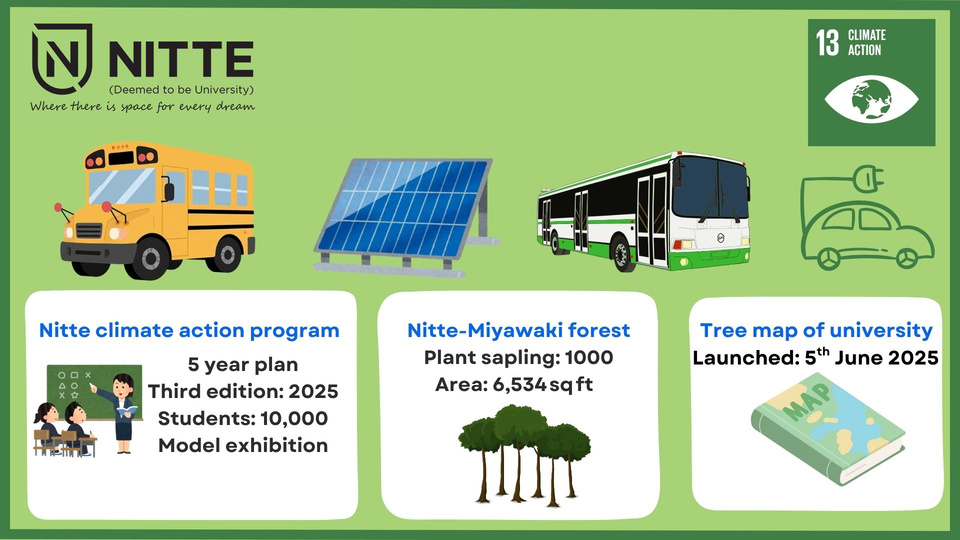
Nitte (Deemed to be University) continues to advance its commitment to climate action through sustained, forward-looking initiatives. In late 2023, the University launched the Nitte Climate Action Program (NCAP), a five-year effort designed to build climate awareness and foster responsible environmental stewardship among school students. By 2025, the program had entered its third year, reflecting steady progress toward its long- term goals.
On 25th August 2025, as part of NCAP 2025, climate literacy was strengthened among 10,000 students from schools across the Mangalore South Zone. Through school visits, University resource persons facilitated the screening of short educational videos and led interactive sessions, encouraging informed dialogue and practical understanding of climate challenges and solutions.
Implemented in collaboration with Mangalore Refinery and Petrochemicals Limited (MRPL), the program underscores the importance of collective action and cross-sector partnerships in driving meaningful and sustained responses to climate change.
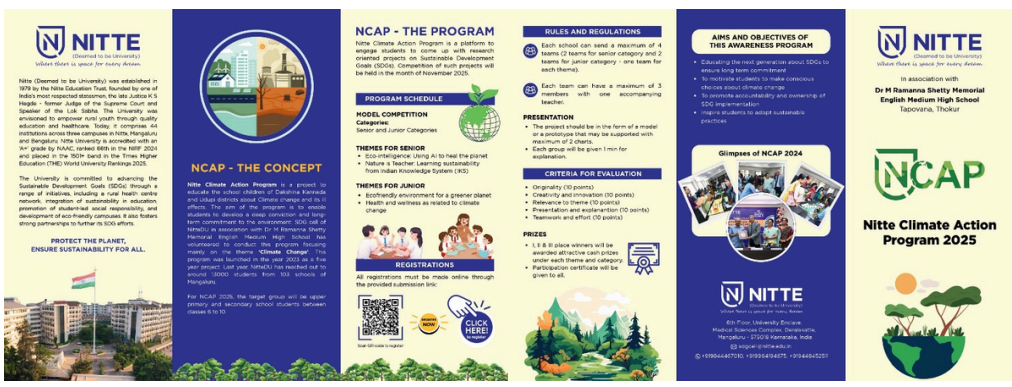

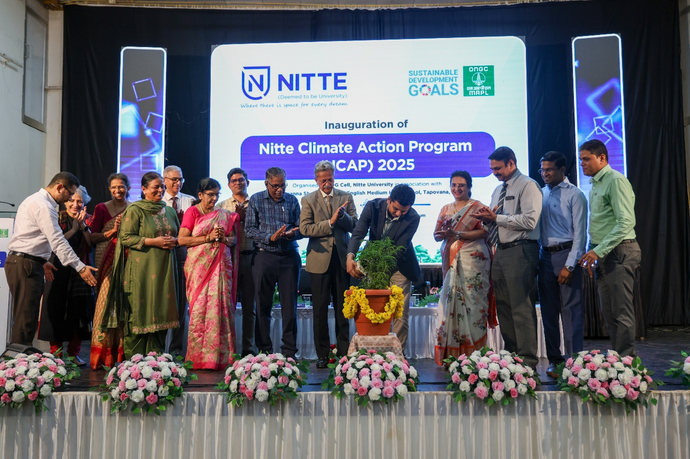
Inauguration of Nitte Climate Action Program 2025
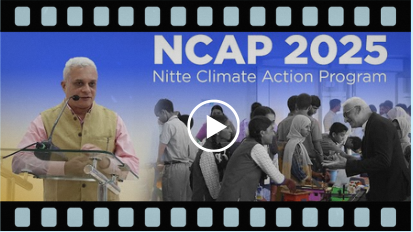
The NCAP video offered an engaging and informative journey that encouraged children to take small yet meaningful steps to protect the planet. Using simple narration and relatable visuals, it introduced the concept of sustainable development while highlighting practical, everyday eco-friendly habits. The video emphasized the importance of conserving water and energy, reducing reliance on single-use plastics, and adopting sustainable solutions such as solar power and rainwater harvesting. It portrayed children actively participating in green practices—planting trees, caring for indoor plants, and responsibly switching off lights and fans both at school and at home.
It also touched on pressing environmental issues, including the Pachanadi dumping yard and instances of bioluminescence linked to sea pollution, helping young viewers connect real-world consequences with environmental neglect. By showing how individual actions can collectively reduce waste and pollution, the video fostered a strong sense of environmental responsibility.
The video concluded with an inspiring message: every small action matters. It encouraged children to become “planet protectors,” working together to create a cleaner, healthier, and greener Earth for future generations.
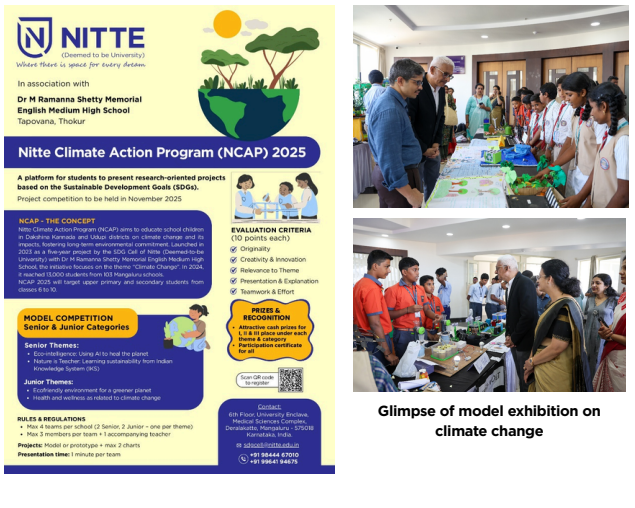
Model competition on climate change
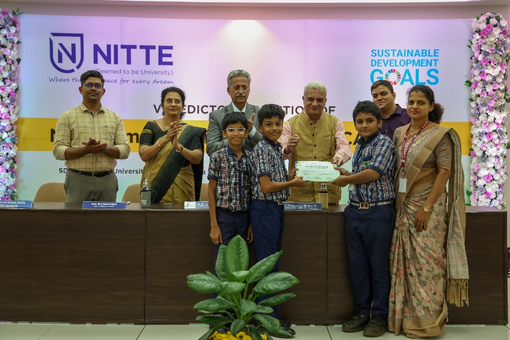
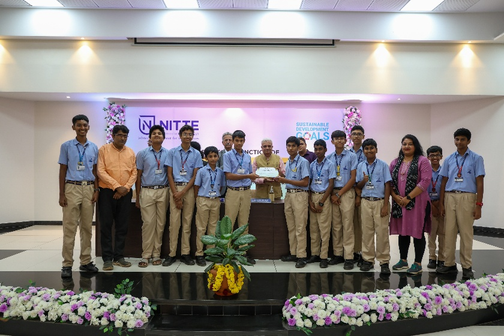
Model competition on climate change was organized on 10th November 2025 at Nitte University. School children actively took part in the model competition with innovative ideas.
Tree map of the university campus unveiled
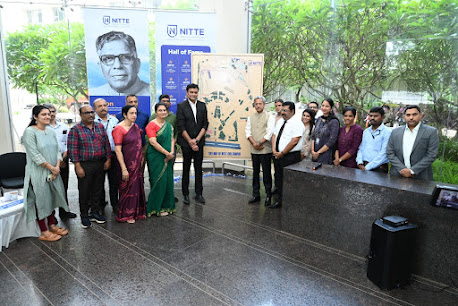
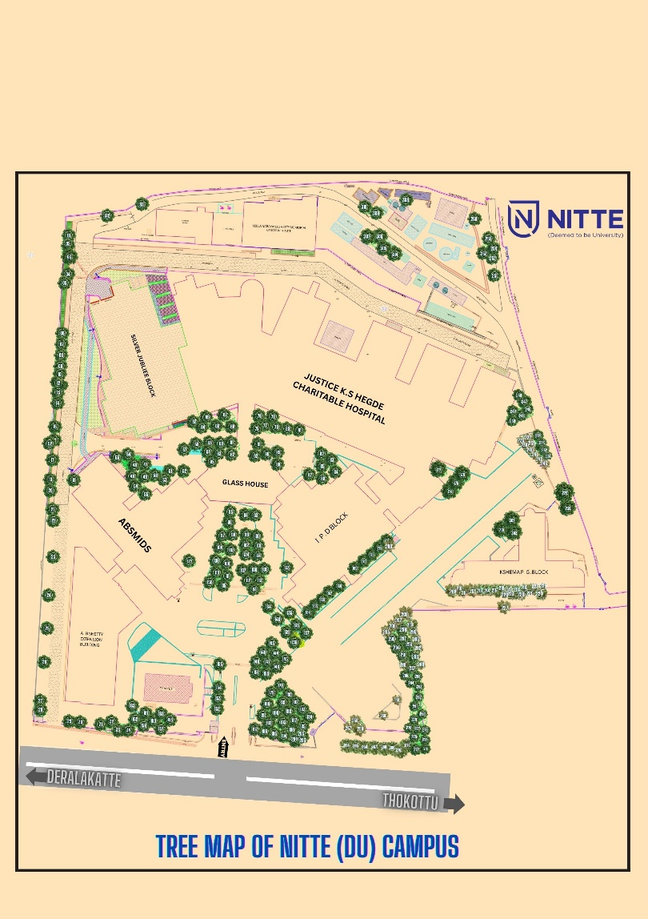
A comprehensive tree audit was conducted across the Nitte University campus to evaluate the existing green cover. The audit aimed to document the number of trees along with key parameters such as height, girth, and geographic coordinates (latitude and longitude). As part of this initiative, each tree was geotagged and assigned a unique identification number, enabling precise mapping and better management of the campus’s tree resources. On the occasion of World Environment Day, 5th June 2025, the Tree Map of the Nitte University campus was officially unveiled by Prof. (Dr.) M. S. Moodithaya, Vice-Chancellor of Nitte University.
Nitte-Miyawaki forest launched
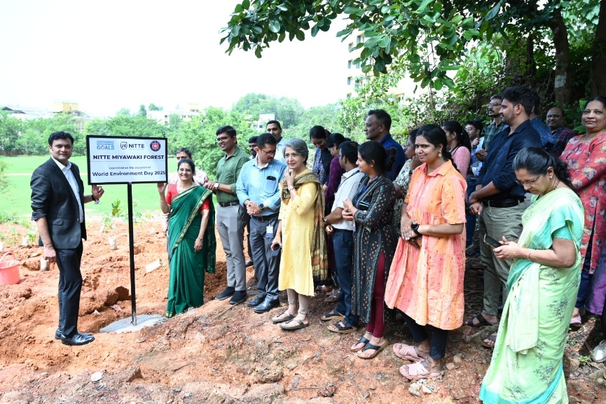
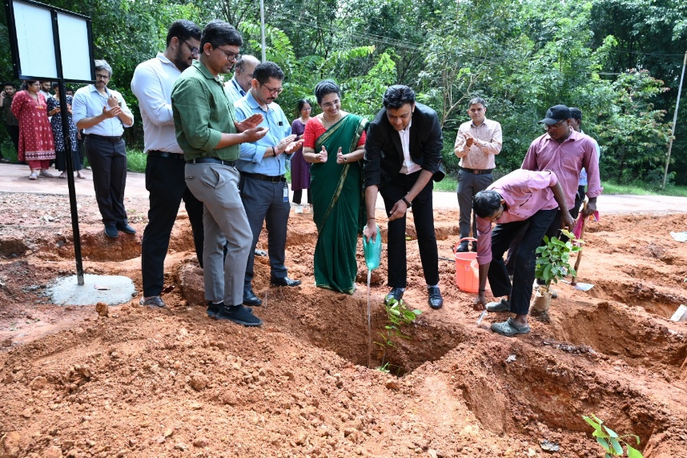
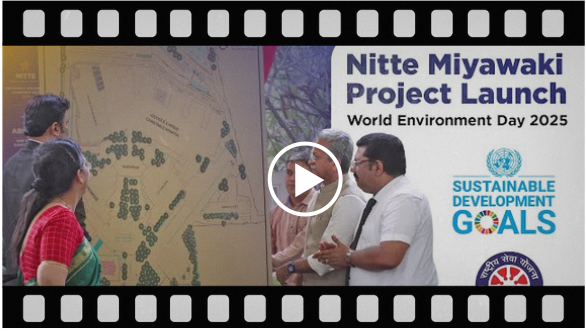
On World Environment Day, 5th June 2025, the Nitte Miyawaki Forest was launched with over 1,000 native saplings planted in a 6,534 sq ft area using the dense‑planting Miyawaki technique. The species selected for this forest aimed to create a resilient, multi‑layered green ecosystem and included neem, benga, kadamba, mango, golden shower, Ashoka tree, Indian blackberry, kokum, monkey jack, surahonne, jackfruit, red sandalwood and cinnamon. These indigenous plants were chosen for their ability to thrive in local conditions, enhance biodiversity, improve air quality, and support long‑term ecological growth. The mix of fruit‑bearing and native tree types promotes habitat diversity and contributes to a healthier microclimate within the university campus, reflecting a structured approach to sustainable afforestation.
Transition to Clean Energy
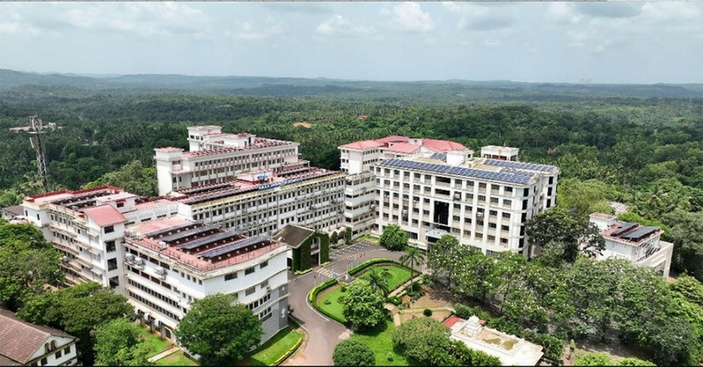
The university is actively reducing its dependence on conventional energy sources by adopting a phased transition to clean energy. As part of this initiative, rooftop solar panels with a total installed capacity of 519.69 kW have been strategically deployed across the campus to maximize solar energy generation. In 2025, clean energy accounted for 51% of the university’s total energy consumption, reflecting substantial progress toward a more sustainable and energy-efficient campus.
Reducing Carbon Footprint with Shared Transport
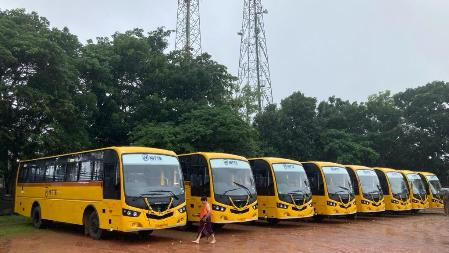
Nitte (Deemed to be University) actively promotes sustainable transportation as part of its environmental responsibility efforts. To minimize private vehicle, use and cut carbon emissions, the university offers shared transport options for staff, students, and employees. A fleet of buses provides primary transit across campuses, while six 14-seater vans operate regular routes connecting campuses and nearby city areas. This initiative reduces traffic congestion and greenhouse gas emissions while promoting a culture of sustainability and eco-conscious commuting within the university community.
Electric vehicle usage
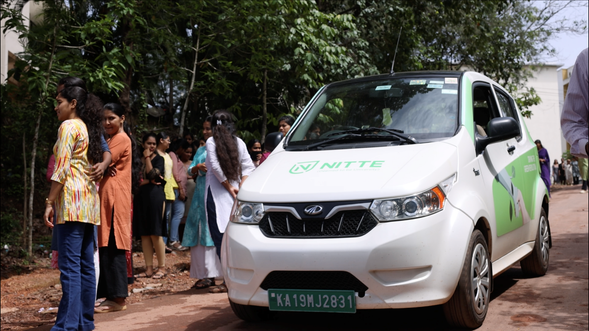
The university supports sustainable transportation by providing electric vehicles for staff mobility between campuses. This initiative reduces greenhouse gas emissions, lowers the campus’s carbon footprint, and encourages eco-friendly travel, contributing to a cleaner and more sustainable environment.