

Sustainable Nitte
LIFE BELOW WATER
PREAMBLE.png)
Water is fundamental to life on Earth, and oceans covering more than 70% of the planet’s surface play a crucial role in sustaining biodiversity, regulating climate systems, and supporting livelihoods and food security. Marine and coastal ecosystems are vital for environmental balance, economic stability, and human well-being. However, increasing challenges such as marine pollution, overfishing, and habitat degradation pose serious threats to the health and productivity of aquatic ecosystems. There is an urgent need to conserve and sustainably use oceans, seas, and marine resources for the benefit of future generations.
Nitte (Deemed to be University) is committed to advancing these objectives through academic engagement, capacity building, outreach and awareness programmes, and responsible institutional practices. During the reporting year, the University actively contributed through structured PREAMBLE academic activities, national and state-level collaborations, memoranda of understanding, and outreach initiatives focusing on marine biodiversity, overfishing, plastic pollution, microplastics, and coastal ecosystem conservation. In addition, the University strengthened its research efforts through focused studies on sustainable aquaculture health management, antimicrobial resistance and food safety in aquatic systems, microplastics and emerging marine contaminants, and the conservation and sustainable utilisation of marine biodiversity and bioresources. The University also demonstrates a strong commitment to responsible
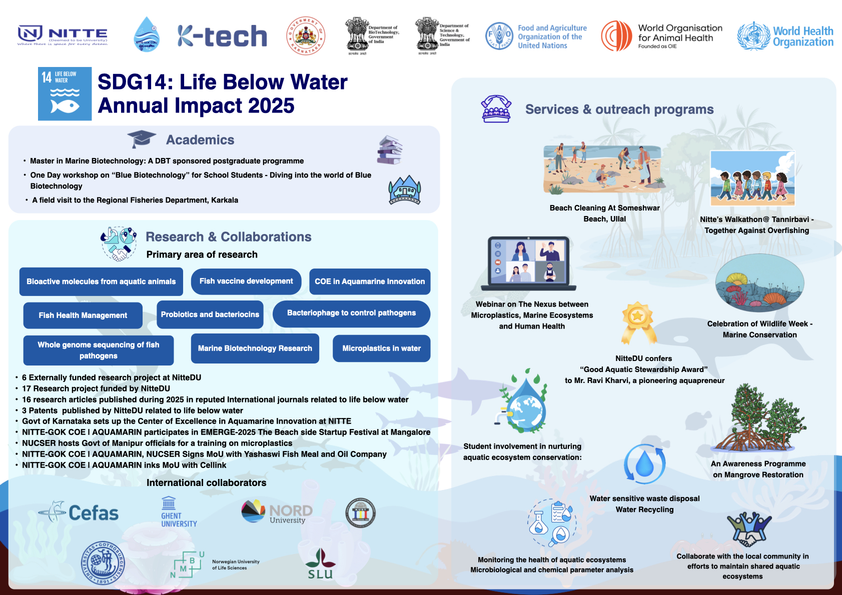
institutional practices that support sustainable water management and aquatic ecosystem protection. These include water-sensitive waste disposal systems, periodic water quality monitoring, recycling and reuse of treated wastewater, rainwater harvesting, stormwater management, and the use of non-potable water for appropriate purposes across the campus. Nitte (Deemed to be University) continues to promote the sustainable use of aquatic resources while engaging students, stakeholders, and the wider community in protecting life below water.
PROACTIVE STEPS TAKEN BY NU
Centre of Excellence in Aquamarine Innovation at NITTE
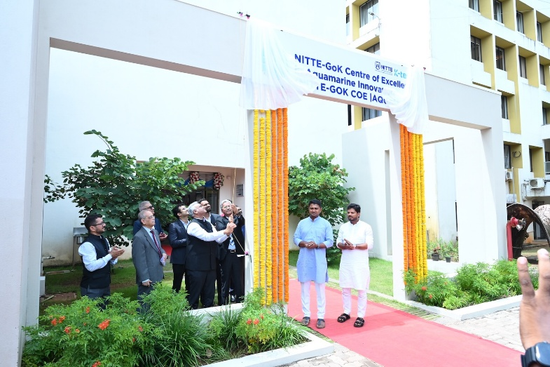
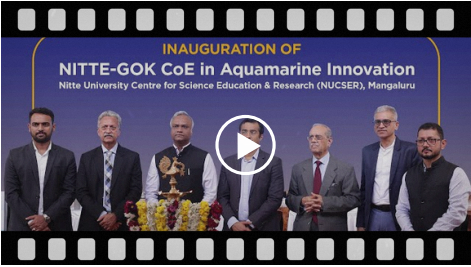
The Department of IT, BT, and S&T, Government of Karnataka, in collaboration with NITTE (Deemed to be University), has established the NITTE–GOK Centre of Excellence in Aquamarine Innovation (NITTE–GOK COE | AQUAMARIN) at the NITTE University Centre for Science Education & Research (NUCSER). Envisioned as a dynamic hub for research, innovation, capacity building, and outreach in AquaBio innovations and translational research, the Centre brings together scientists, industry leaders, and policymakers to foster sustainable economic growth while safeguarding Karnataka’s marine ecosystems. The Centre was inaugurated on 24 September 2025.
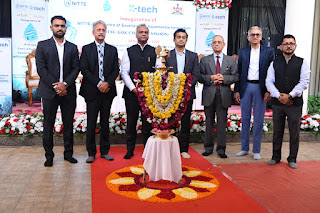
Inauguration of Centre of Excellence in Aquamarine Innovation
HIGHLIGHTS OF RESEARCH ACTIVITIES
Oral Nanovaccines for Aquaculture Disease Control
PLGA nanoparticle–based oral vaccines were developed for targeting Aeromonas hydrophila and Edwardsiella tarda. Recombinant outer membrane proteins (Omp23, OmpA, OmpS2) were expressed, encapsulated, and delivered through feed to enhance mucosal immunity. Characterization confirmed optimal particle size and sustained antigen release. Vaccination trials in Rohu and zebrafish demonstrated enhanced innate immune responses and improved survival following pathogen challenge. The approach offers a scalable, non-invasive alternative to antibiotics in aquaculture.
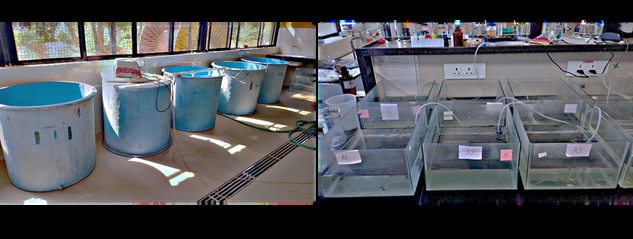
Oral vaccination of fish using rOmp23-PLGA nanoparticle-incorporated feed
Antimicrobial Resistance & Molecular Epidemiology
Studies investigated Streptococcus agalactiae in aquatic environments, focusing on virulence profiling, capsular serotyping, antimicrobial susceptibility, and CRISPR-Cas characterization. Molecular diagnostics revealed key virulence genes and emerging resistance to aminoglycosides and β-lactams. CRISPR spacer analysis provided insights into strain evolution and phage exposure. These findings strengthen genomic surveillance frameworks, improve pathogen detection accuracy, and support antimicrobial stewardship strategies in aquaculture and public health contexts.
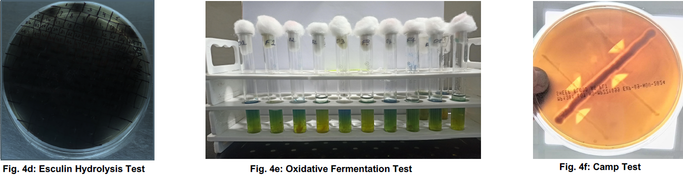
Characterization of Streptococcus agalactiae isolated from aquatic environment
Marine Bioactives for Therapeutic Applications
Macroalgae-derived bioactive compounds were explored for antioxidant and anticancer potential using zebrafish models and biochemical assays. Extracts from green and brown seaweeds demonstrated significant radical scavenging, lipid peroxidation inhibition, anti-angiogenic, and antiproliferative effects. Solventdependent extraction influenced phenolic and flavonoid content, correlating with biological activity. The research highlights marine algae as promising sources of nutraceutical and pharmaceutical compounds for oxidative stress–related disorders and cancer therapy development.
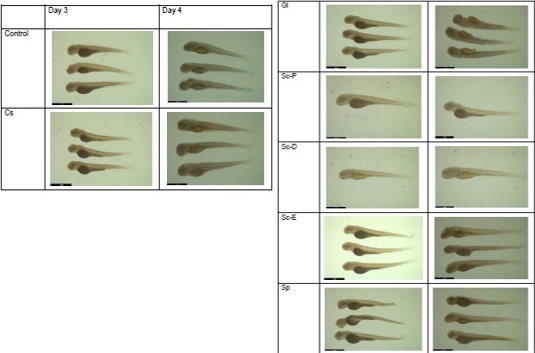
Representative images of zebrafish embryos on Day 3 and Day 4 post-treatment with seaweed extracts, showing reduced cellular proliferation compared to control embryos.
Marine Biotechnology for Sustainable Materials & Bioremediation
Research in this area advances marine-derived functional materials and environmental solutions. Fish collagen hydrogels and gelatinbased food applications demonstrate sustainable valorization of fish by-products for biomedical and food systems. Parallel studies evaluate microbial degradation of microplastics and marine fuel oil, along with biocontrol strategies for harmful algal blooms. Together, these efforts promote circular bioeconomy principles, eco-friendly remediation technologies, and sustainable utilization of marine resources.
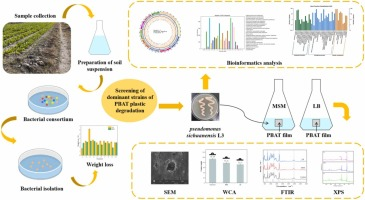
Biodegradability of polymers by microbes in Marine mesocosm
Empowering officials with tools to monitor and mitigate microplastic contamination.
NUCSER organized a six-day intensive training program on Microplastic Quantification and Characterization from 15th to 20th December 2025 for five officials from the Directorate of Environment and Climate Change, Govt. of Manipur, Imphal. The program aimed to enhance technical capacity in monitoring microplastic pollution and understanding its environmental impact. Combining theory with hands-on practice, the training covered sampling and analysis of microplastics in water, soil, air, and food. Sessions were conducted by Dr. Gunimala Chakraborty and Dr. Rajeshwari Vittal. Participants learned field sampling techniques for water and sand, followed by laboratory procedures such as digestion, staining, and identification of microplastics. Advanced analytical methods, including FTIR spectroscopy and fluorescence microscopy, were introduced for detailed characterization. A visit to One Earth Lab, Baikampady, provided exposure to atmospheric sampling systems, highlighting pathways of microplastic contamination across ecosystems.
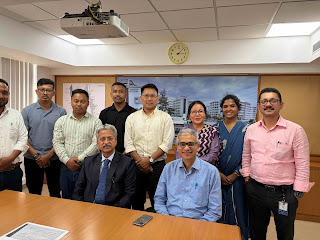
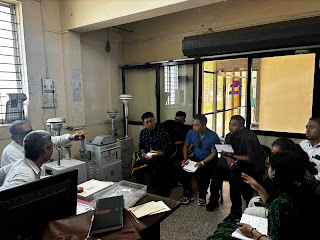
Training on Microplastics for Officials of Govt of Manipur
Memorandum of understanding
NITTE-GOK COE | AQUAMARIN, NUCSER Signs MoU with Yashaswi Fish Meal and Oil Company
NUCSER, through its Centre of Excellence in Aquamarine Innovation, signed a Memorandum of Understanding (MoU) with Yashaswi Fish Meal and Oil Company on 24th January 2025. The collaboration focuses on responsible use of aquatic resources, protection of marine ecosystems, and promotion of sustainable aquaculture practices. It aims to strengthen academia–industry linkages through joint initiatives, research, and community-oriented programs that support ecological balance and long-term societal benefit.
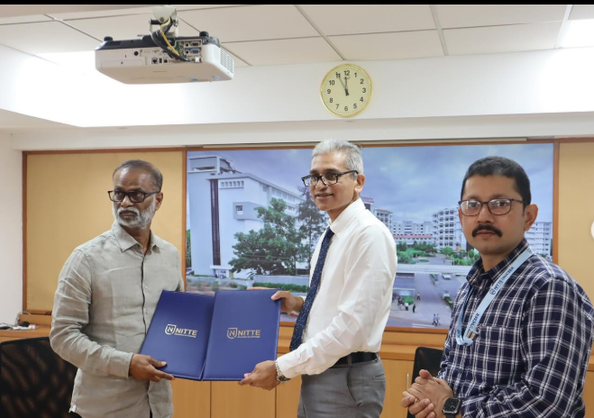
Signing of MoU with Yashaswi Fish Meal and Oil Company
NITTE-GOK COE | AQUAMARIN inks MoU with Cellink
An MoU between NITTE-GOK COE | AQUAMARIN, NITTE DU, and CELLINK was signed on August 13, 2025, to promote collaborative research, education, and innovation in 3D bioprinting, marine biotechnology, and life sciences. The partnership emphasizes sustainable exploration of marine bioresources, development of eco-conscious biotechnological solutions, and advancing research that supports ocean health. It also aims to strengthen industry academia collaboration, foster bio-entrepreneurship, and accelerate the translation of research into practical applications for environmental and societal benefit.
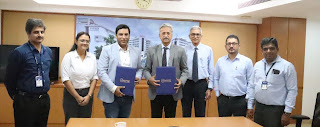
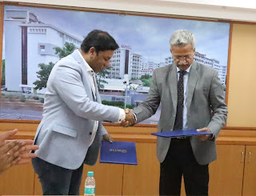
Fostering sustainable marine innovation through education, outreach, and experiential learning:
Master in Marine Biotechnology: A DBT sponsored postgraduate programme
NitteDU continues to offer Department of Biotechnology, Government of India sponsored postgraduate programme on Marine Biotechnology at NitteDU Centre for Science Education & Research (NUCSER), Paneer campus, Mangalore. The program's focus is to provide appropriate theoretical knowledge and laboratory skills for developing various biotechnological tools and technologies in marine sciences and to implement the needs of the economy through marine entrepreneurship, study of marine environmental systems and fisheries, and development of marine biotechnological processes. The program provides training in basic and advanced skills meant to empower youth to develop the sustainable strategy of harnessing the marine environment for food, medicines and other resources.
https://nitte.edu.in/nucser/master-of-science-msc-marine-biotechnology.php
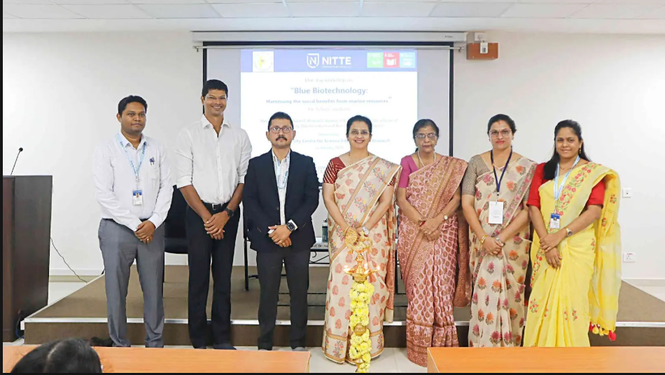
Blue Biotechnology workshop promoting sustainable marine innovation
A one-day workshop on “Blue Biotechnology: Harnessing the social benefits from marine resources” was conducted by NUCSER on 11th January 2025 for 75 school students, with support from Biotech Research Society India under its Biotechnology Popularization and Skill Development initiative. The program introduced students to the responsible use of marine resources, conservation of aquatic ecosystems, and innovative biotechnological approaches to address environmental challenges. It aimed to inspire young learners to explore sustainable solutions and contribute to the longterm health and balance of ocean ecosystems.
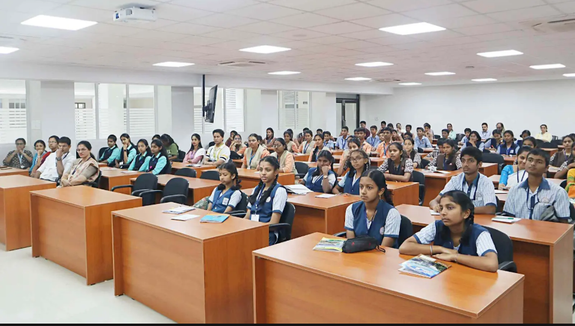
One Day workshop on “Blue Biotechnology” for School Students
A field visit to the Regional Fisheries Department, Karkala
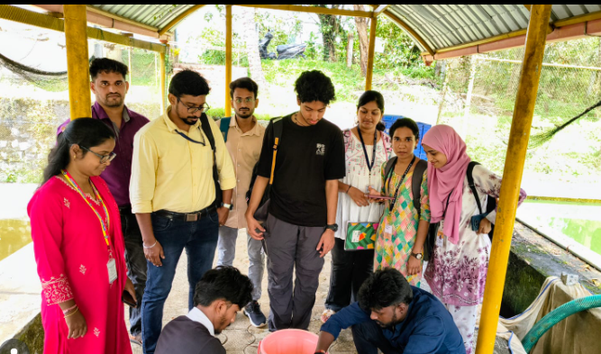
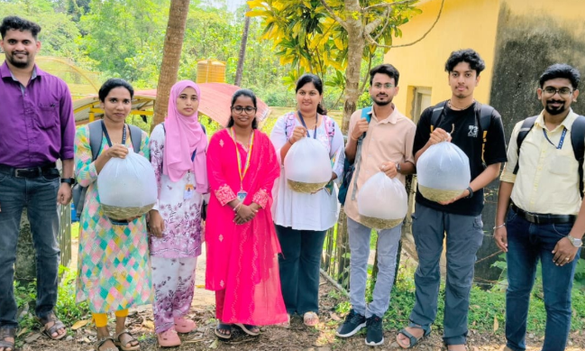
As part of NITTE-GOK Centre of Excellence | AQUAMARIN’s efforts to advance its research- and innovation-driven objectives, students from the DBT-sponsored M.Sc. Marine Biotechnology course at NUCSER undertook a field visit to the Regional Fisheries Department, Karkala on 15th October 2025. This field visit provided valuable practical exposure to fisheries practices, including fish nursery rearing and fish packing demonstrations, aligning with our objective to conduct activities through site visits and knowledge sharing.
Beach cleaning drive
- The NSS Unit of Nitte Deemed to be University, in collaboration
with Grama Panchayath Kodi, Shetty Agro Centre, and Baeru
Coast Clear, organized a beach cleaning drive at Kodi Beach on
October 4, 2025. A total of 114 volunteers collected nearly 60
bags of non-biodegradable waste, contributing to cleaner
shores and protection of marine ecosystems.
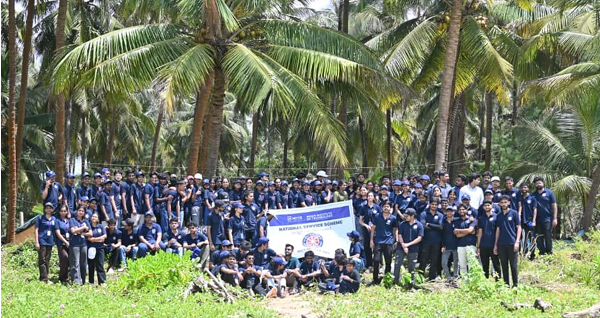
Beach Cleaning Drive at Kodi Beach, Saasthana
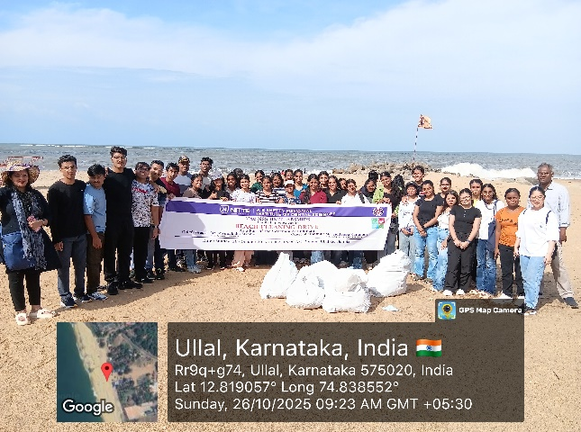
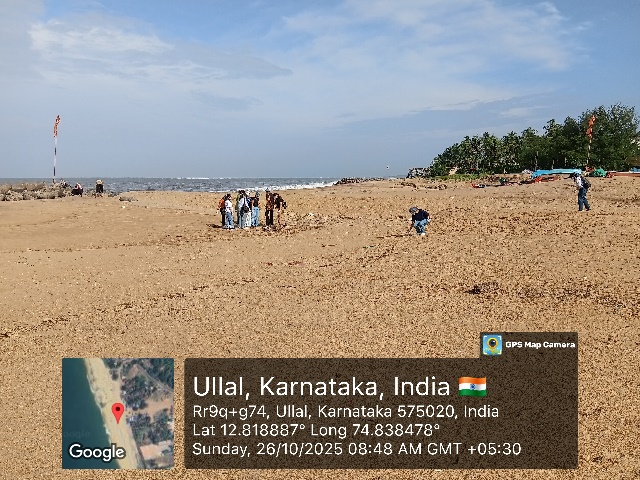
- The NSS Unit of AB Shetty Memorial Institute of Dental
Sciences organized a beach cleaning drive at Ullal Beach on
26th October 2025 under the Special Campaign 5.0 initiative of
the Ministry of Youth Affairs and Sports, Government of India.
Around 40 student volunteers participated, working to remove
waste and promote cleaner, healthier coastal ecosystems.
 br>
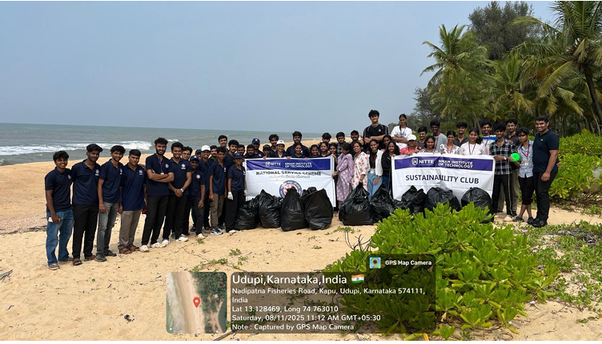
br> - The NSS Unit and Sustainability Club organized a beach
cleaning drive at Padubidri Beach on 8th November 2025,
engaging 30 NSS volunteers and 18 Sustainability Club
members. Participants collected and segregated plastic waste
and litter, promoting coastal cleanliness, sustainability, and
stewardship of marine ecosystems.
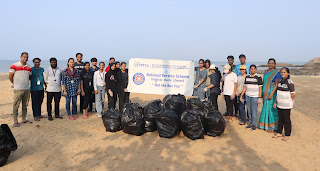
- On April 19th, the NSS cell of NUCSER organized a beach
cleaning drive at Someshwar Beach. Students and staff
participated to remove plastic waste and pollutants, raising
awareness about plastic pollution and promoting cleaner,
healthier coastal ecosystems.
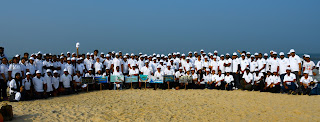
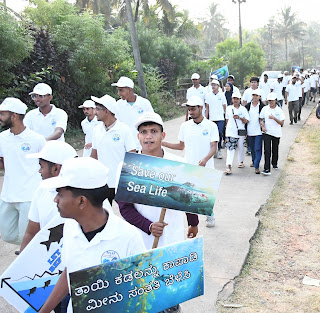
With the message “Protect Our Oceans, Preserve Our Future, ” NITTE-GOK COE | AQUAMARIN, supported by KTech and hosted at NUCSER, in association with the NSS Cell and Rotary Club Mangalore, organized a 5 km walkathon at Tannirbavi Beach on 28th December 2025. Over 250 participants, including students, locals, and fishermen, walked from Tannirbavi to Bengre and back, carrying placards promoting sustainable fishing and marine conservation. The event raised awareness on overfishing, emphasized community responsibility, and encouraged practices that protect marine biodiversity for future generations.
Awareness programmes
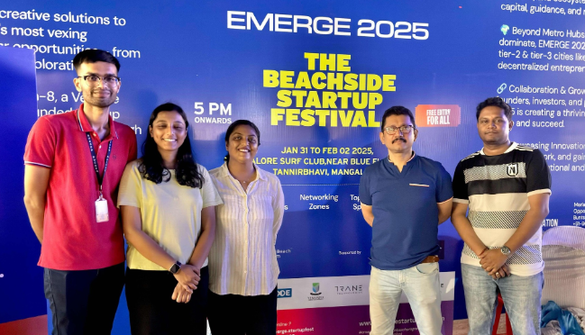
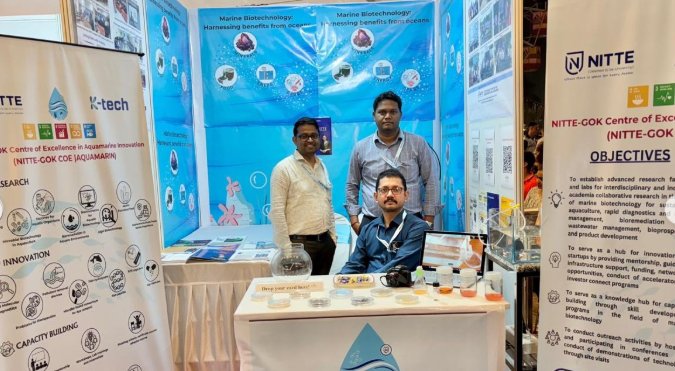
NITTE-GOK COE | AQUAMARIN participates in EMERGE-2025 The Beach side Startup Festival at Mangalore
The NITTE–GoK Centre of Excellence in Aquamarine Innovation (NITTE-GOK COE | AQUAMARIN), hosted at NUCSER, recently participated in Emerge 2025, a three-day startup festival held from 31st January to 2nd February 2025 at Tannirbhavi Beach, Mangalore. Organized by Section Infin-8, the event brought together innovators, entrepreneurs, academia, industry experts, and investors to foster a collaborative ecosystem for sustainable and responsible innovation.
At the festival, the Centre showcased a range of marine-based innovations designed to benefit both society and the environment. Featured research products included bioactive peptides from marine fish, eco-friendly marine-derived bioplastics and packaging films, seaweed-based nutritious and sustainable food products such as noodle formulations, and bioactive compounds with dye-degrading properties to help reduce aquatic pollution.
The stall attracted students, entrepreneurs, and industry professionals, who engaged with the team to learn more about the products’ scientific basis, potential applications, and opportunities for collaboration. Through these interactions, the Centre generated interest in adopting marine innovations that promote sustainability and responsible resource use. Emerge 2025 also provided valuable networking opportunities with stakeholders and potential collaborators, strengthening partnerships and paving the way for innovations that support a thriving and sustainable marine ecosystem.
Celebration of Wildlife Week - Marine Conservation
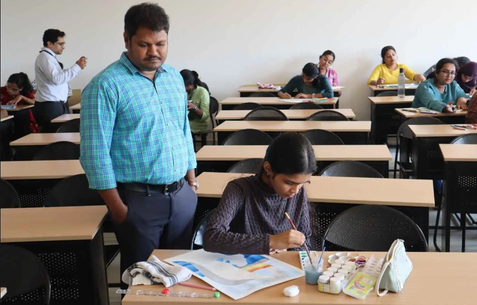
As part of Wildlife Week 2025, NITTE-GOK COE | AQUAMARIN, in collaboration with Department of Environmental Health and Toxicology, organized a drawing competition on the theme “Marine Conservation” on 10th October 2025. The event engaged 22 students in creatively expressing ideas on protecting marine ecosystems. Winning entries were awarded prizes, and all participants received certificates, promoting awareness and appreciation for marine biodiversity.
An Awareness Programme on Mangrove Restoration
NUCSER, in collaboration with NITTE-GOK COE | AQUAMARIN and Kerala Forest and Wildlife Department, Kasaragod Division, organized an awareness session on mangrove restoration at Nagaravaram, Pallam, Kasaragod, on 17th October 2025. The event highlighted the ecological importance of mangroves in sustaining coastal ecosystems and encouraged community participation in restoration efforts. Over 40 attendees engaged in discussions, reinforcing the role of education and collective action in marine ecosystem conservation.
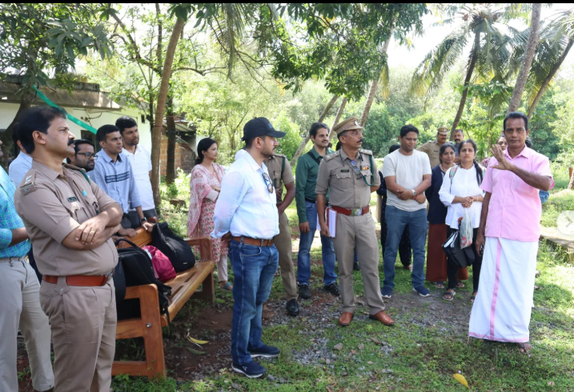
An awareness session on Mangrove Restoration at Nagaravaram, Pallam, Kasaragod
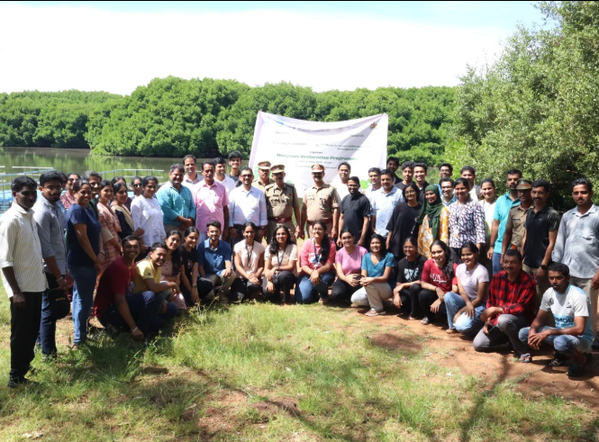
An awareness session on Mangrove Restoration at Nagaravaram, Pallam, Kasaragod
Good Aquatic Stewardship Practices
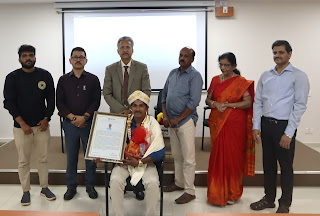
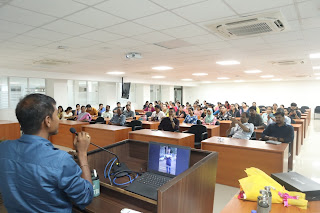
NUCSER and NITTE-GOK Centre of Excellence in Aquamarine Innovation organized a felicitation program on 5th December 2025 with the theme, Sustainable World with Good Aquatic Stewardship Practices to honour Mr. Ravi Kharvi, a pioneering aquapreneur, for his significant contributions to the aquaculture and fisheries sector. Mr Ravi is a pioneer in the cage culture system in this part of the country and he has been a role model for young aquaculture enthusiasts in Dakshina Kannada and Udupi districts. Mr. Ravi Kharvi,shared his journey and experiences with the audience, emphasizing the importance of sustainable cage culture practices for aspiring aquapreneurs. The event drew the participation of over 100 attendees, including researchers, technology enablers and members of the fishing community.
Webinar on The Nexus between Microplastics, Marine Ecosystems and Human Health
SDG Cell, Nitte Du hosted an online webinar on The Nexus between Microplastics, Marine Ecosystems and Human Health. This talk was given by Dr. Gunimala Chakraborty, HOD & Associate Professor GD II, Department of Molecular Genetics and Cancer, NUCSER, Nitte DU. The webinar examined the pathways through which microplastics enter marine ecosystems, their bioaccumulation across trophic levels, and the resulting ecological risks and implications on human health.
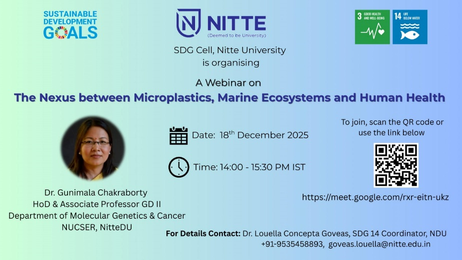
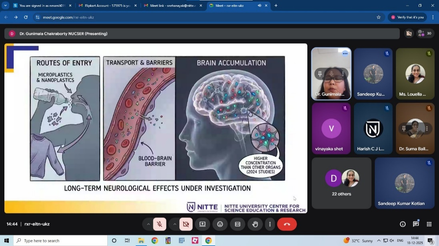
Webinar on The Nexus between Microplastics, Marine Ecosystems and Human Health
Monitoring the health of aquatic ecosystems
Lake Adoption, Rejuvenation, Ranching and Monitoring the Health of Inoli Lake
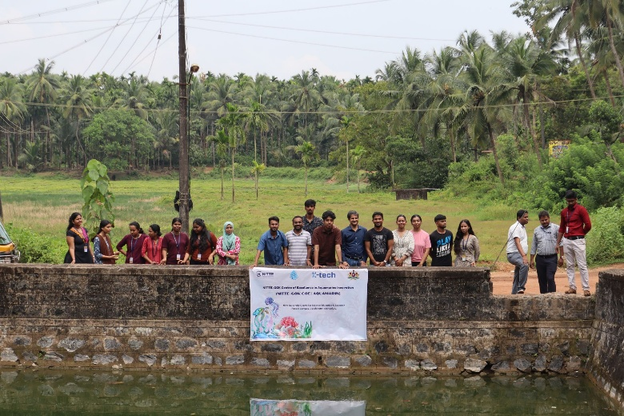
Lake rejuvenation activities at Inoli Lake, including cleaning and awareness programmes (09/09/2025) and scientific lake ranching (11/10/2025), contributed to improved ecological health, aquatic biodiversity, and ecosystem resilience. Periodic water quality monitoring conducted between August and December 2025 (sampling on 04/11/2025) assessed key physicochemical and biological parameters, indicating nutrient enrichment and microbial contamination that required management interventions. Major challenges such as weed infestation, eutrophication, and declining biodiversity were addressed through manual and mechanical weed removal, native fish stocking, and habitat improvement measures. Adoption of the lake by NitteDU, along with community participation via the Gram Panchayath, enabled regular monitoring, maintenance, and protection of the aquatic system
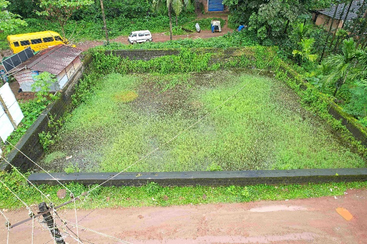
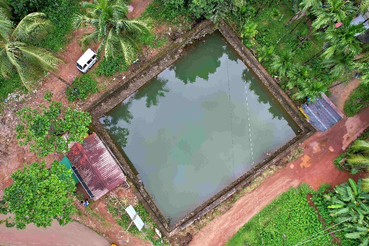
Inoli lake before and after rejuvenation
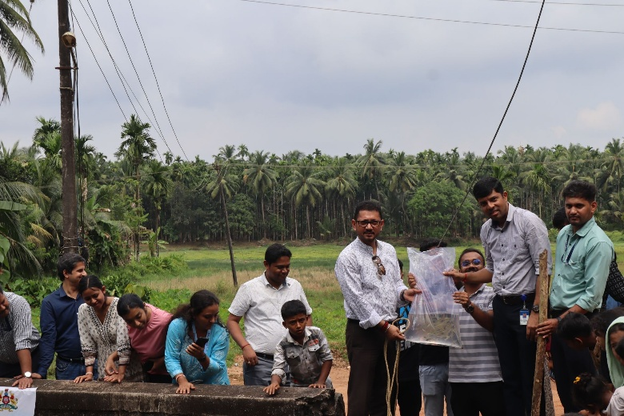
Ranching activitiy