Water Consumption Tracking
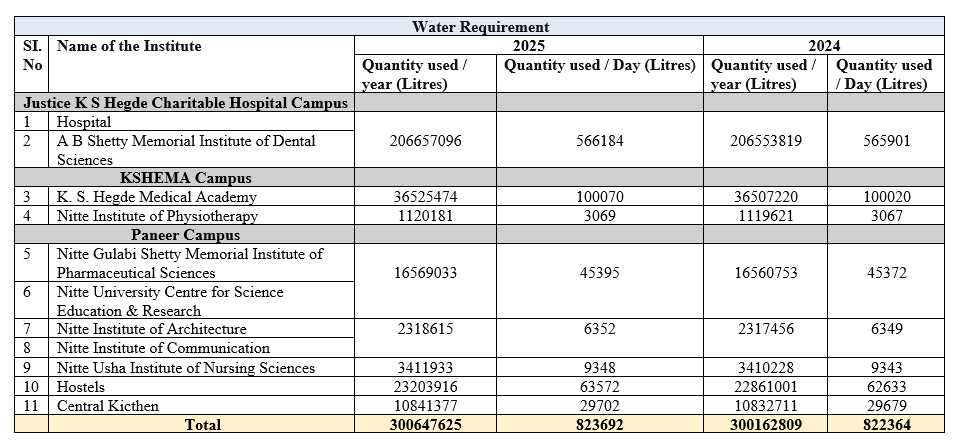
Nitte (Deemed to be University) measured and recorded water consumption across its listed institutes and campuses during 2025. The total recorded water consumption was 300,647,625 litres (300,647.625 m³) for the year, equivalent to 823,692 litres per day. The 2025 measurements cover the Justice K S Hegde Charitable Hospital Campus, KSHEMA Campus and Paneer Campus, including the institutions, hostels and Central Kitchen listed in the table. Institution-wise annual and daily water consumption was recorded and consolidated to determine the total water requirement for 2025.
Nitte (Deemed to be University) measured and recorded its water consumption during 2025 across the listed university institutes and campuses. All water used was sourced from groundwater/aquifers. The total recorded water consumption was 300,647,625 litres (300,647.625 m³) for the year, equivalent to 823,692 litres per day. Water consumption was recorded at the institutional level and consolidated to determine the total water requirement for 2025. The measurement covered the Justice K S Hegde Charitable Hospital Campus, KSHEMA Campus and Paneer Campus, including the institutes, hostels and Central Kitchen listed in the accompanying table.
Wastewater treatment
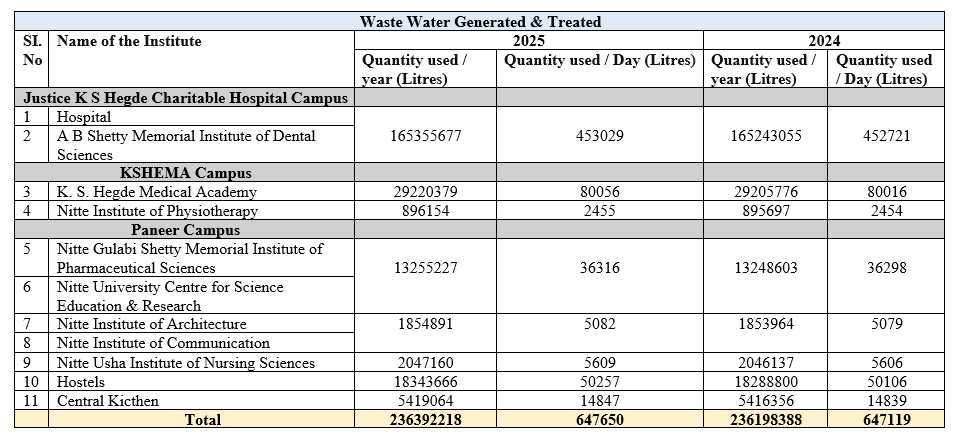
Nitte (Deemed to be University) has wastewater treatment systems in place across its university campuses and institutes. During 2025, wastewater generated from university operations was collected and treated through the institutional wastewater treatment system. A total of 236,392,218 litres (236,392.218 m³) of wastewater was generated and treated during 2025, equivalent to 647,650 litres per day.The wastewater treatment system follows a multi-stage treatment process. Primary sedimentation removes solid waste and heavy particles, followed by biological treatment in which microbial processes break down organic matter. The treated water then undergoes filtration and quality checks before reuse. This process is implemented to produce treated water that meets applicable environmental standards.
Wastewater generation and treatment were recorded at the institutional level and consolidated for the Justice K S Hegde Charitable Hospital Campus, KSHEMA Campus and Paneer Campus, including the institutes, hostels and Central Kitchen listed in the accompanying 2025 table.


Preventing water system pollution
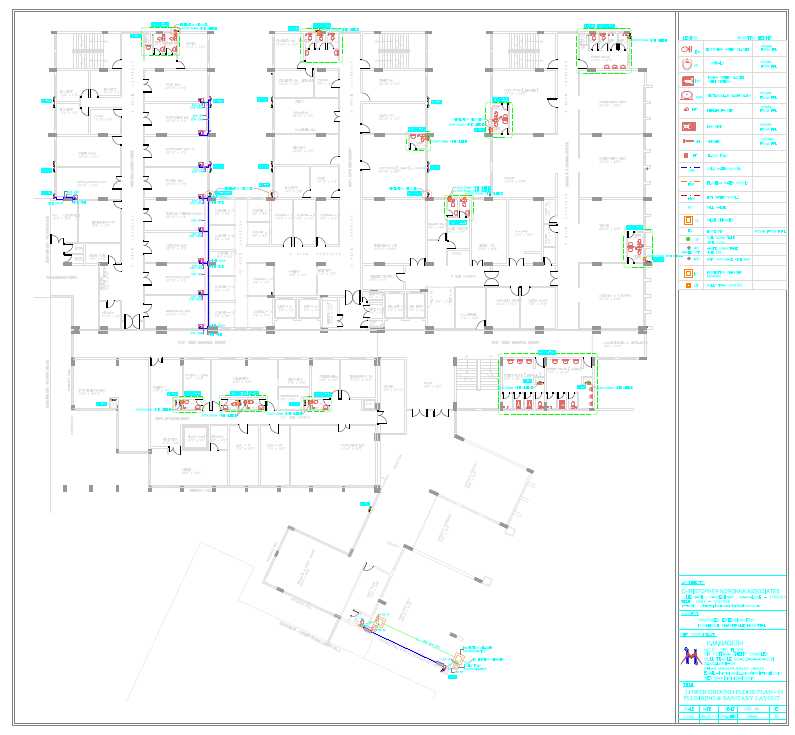
Nitte (Deemed to be University) has established plumbing and wastewater collection infrastructure to prevent untreated or contaminated wastewater from entering the surrounding water system. Wastewater generated from university buildings is collected through designated plumbing and drainage networks and conveyed to the university’s wastewater treatment systems for treatment before discharge or reuse. The plumbing network provides a controlled pathway for the collection and conveyance of wastewater, thereby preventing uncontrolled discharge into surrounding water bodies and groundwater.The wastewater management process includes collection through the designated plumbing network, controlled conveyance to wastewater treatment facilities, treatment of the collected wastewater, and quality checks of treated water before discharge or reuse. These measures help prevent wastewater and potentially contaminating liquids generated through university activities from entering the water system without appropriate treatment.
The plumbing and wastewater collection infrastructure was in place and operational by 2025. The accompanying university plumbing diagram provides visual evidence of the established plumbing infrastructure and designated wastewater collection network within university buildings.
Free drinking water provided
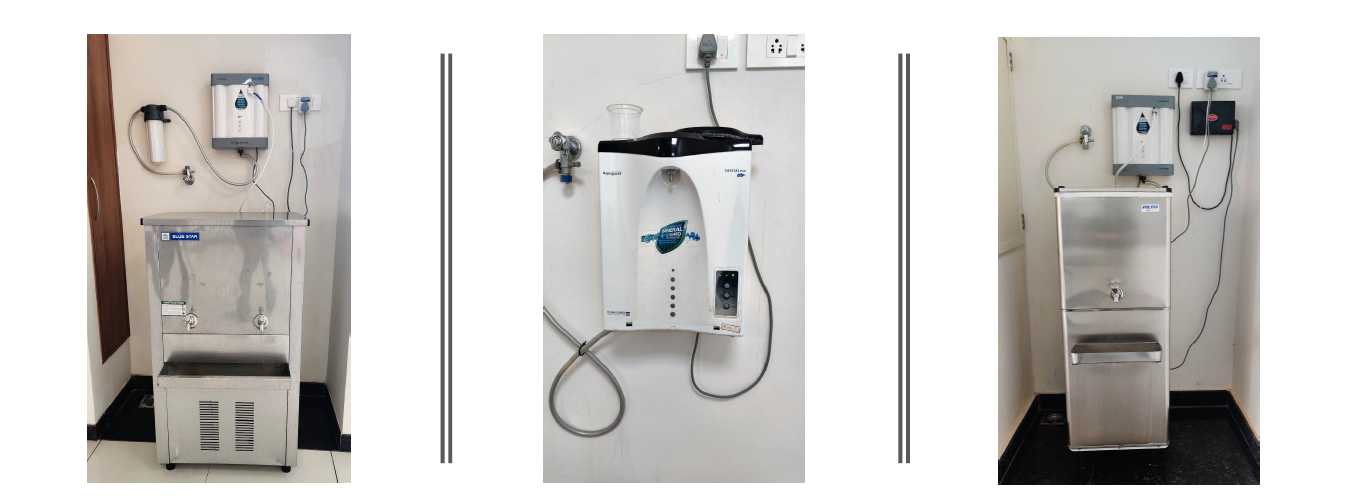
Nitte (Deemed to be University) provided free access to drinking water for students, staff and visitors throughout 2025. Drinking-water facilities, including purification and dispensing units, were made available at convenient locations across university campuses. The facilities enabled the university community and visitors to obtain drinking water without charge, as demonstrated by the accompanying photographs.
 >
Water-conscious building standards
Nitte (Deemed to be University) incorporates water-conservation measures into the design and construction of its buildings. Building practices follow the National Building Code of India 2016 (NBC 2016), including IS 1172 and IS 2064 provisions relating to water supply, drainage and sanitation, along with relevant Government of India environmental guidelines for buildings.
Water-conscious provisions include water-efficient plumbing fixtures such as push-cock and sensor-based taps, aerators, pressure inhibitors and flow regulators; separate pipelines for potable, recycled and treated water; provision for rainwater harvesting and stormwater management; rainwater storage ponds; use of non-potable water for construction; and use of recycled water for flushing and gardening. Water-saving curing practices, including water-retaining materials, ponding and curing techniques, are also adopted during construction.
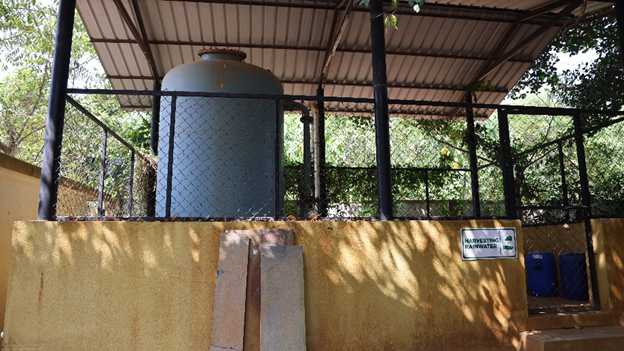
Rain water harvesting unit
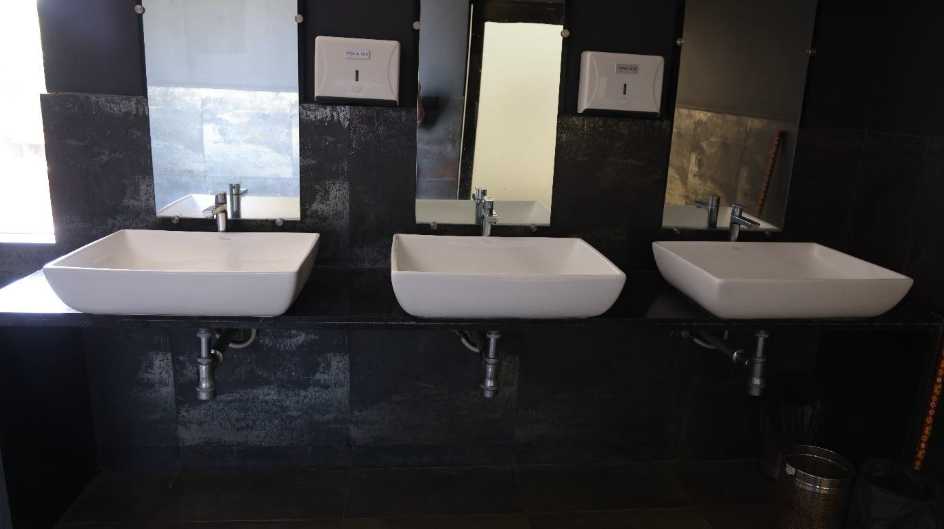
Water efficient fixtures
Water-conscious planting
Nitte (Deemed to be University) implements water-conscious planting practices to reduce irrigation requirements. The University has established a drought-resistant plantation programme, with drought-tolerant species carefully selected for afforestation drives and ceremonial tree-planting activities. Documented drought-resistant species include Neem, Java, Jackfruit, Teak, Ramphal and Wild Jack. Native and drought-resistant trees, shrubs and groundcover requiring minimal irrigation are used for campus landscaping, while recycled water is used for gardening and landscape maintenance.
As part of its native planting initiatives, the Nitte Miyawaki Forest was launched on 5 June 2025, with more than 1,000 indigenous saplings planted across 6,534 sq. ft. using the Miyawaki technique. The plantation includes species such as Neem, Benga, Kadamba, Indian Blackberry, Kokum, Monkey Jack, Jackfruit and Red Sandalwood, selected for their suitability to local conditions. Together, these planting practices support sustainable campus landscaping, biodiversity and water conservation.
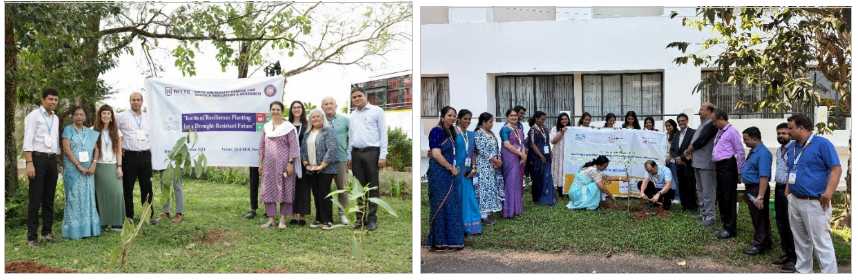
Ceremonial draught tolerant tree planting activities
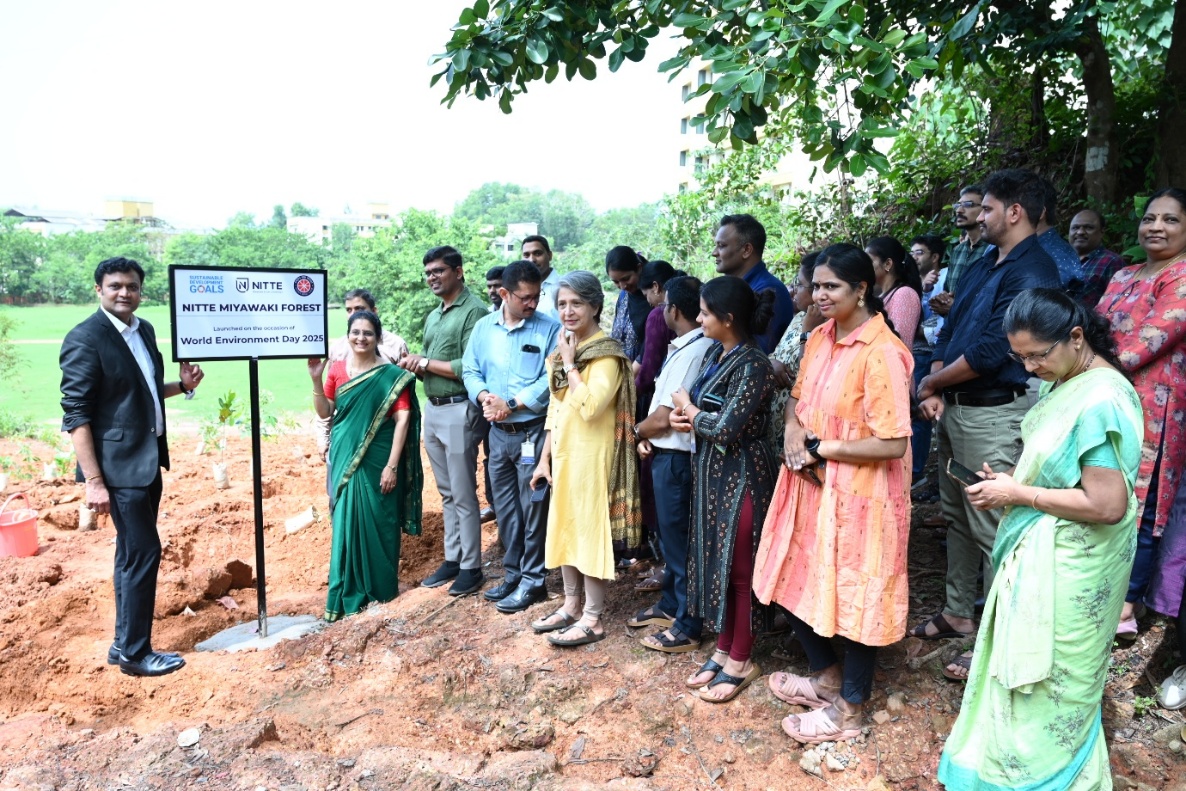
NITTE Miyawaki Forest – Native Planting with Drought-Resistant Species
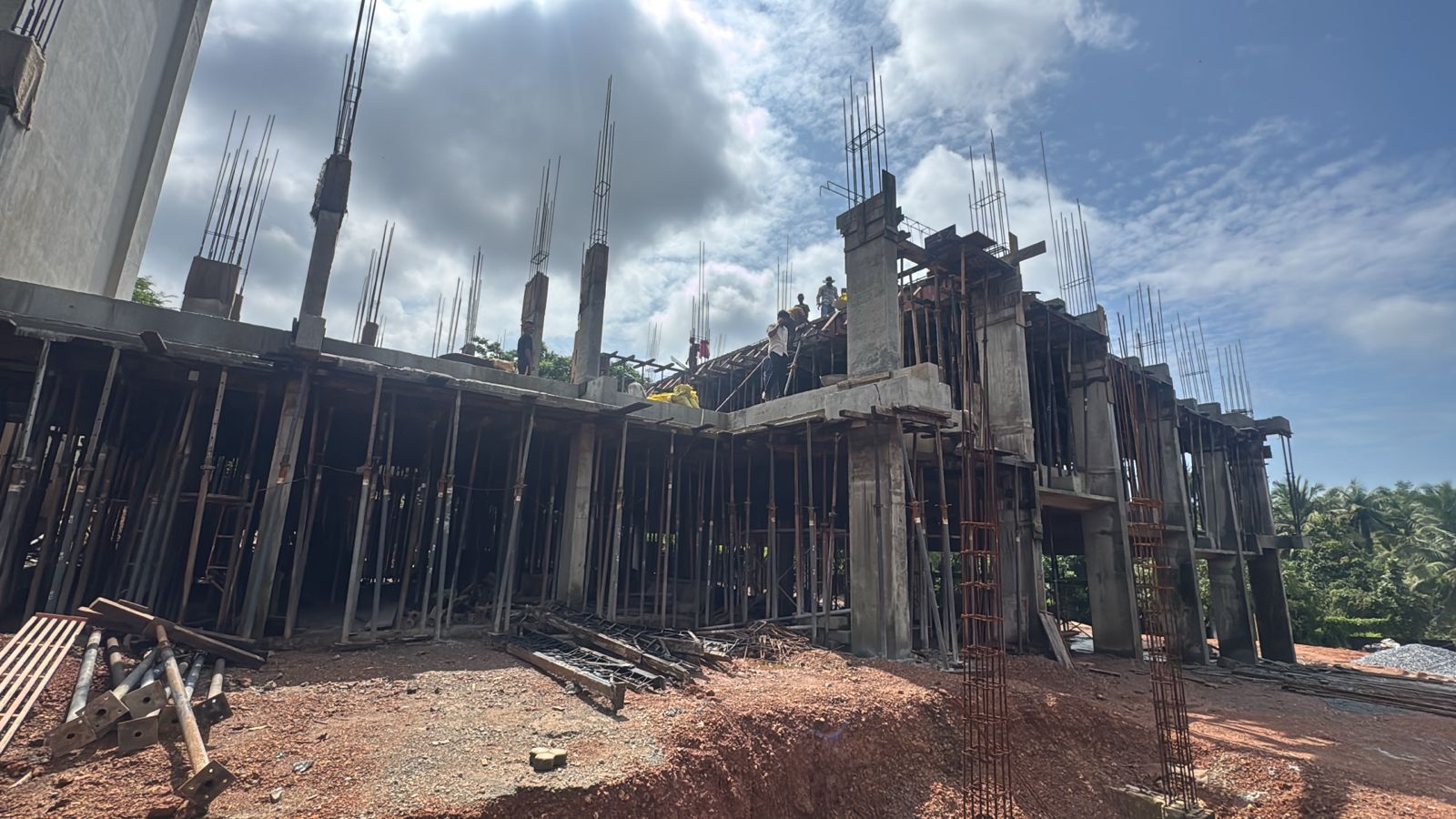
STP water is used for ongoing construction activities on the campus
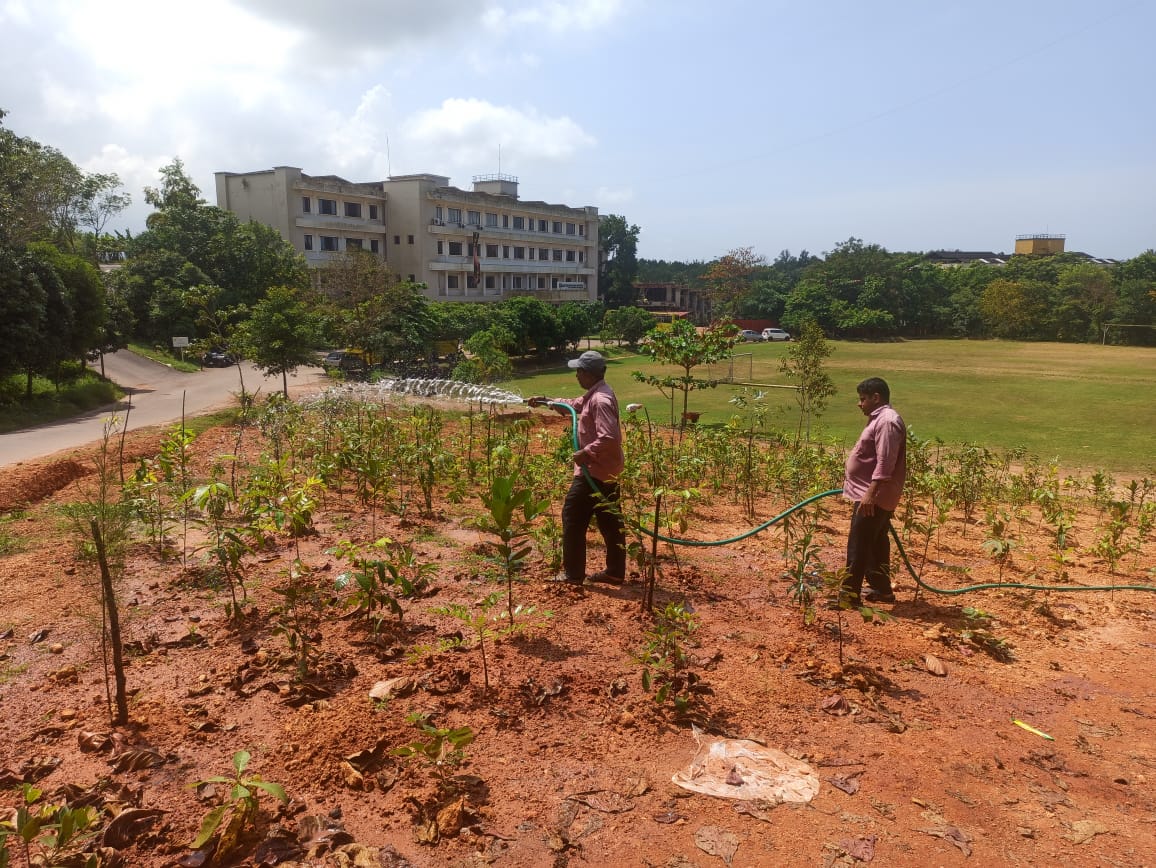
Recycled water nurturing 1,000 plants in the Nitte Miyawaki forest
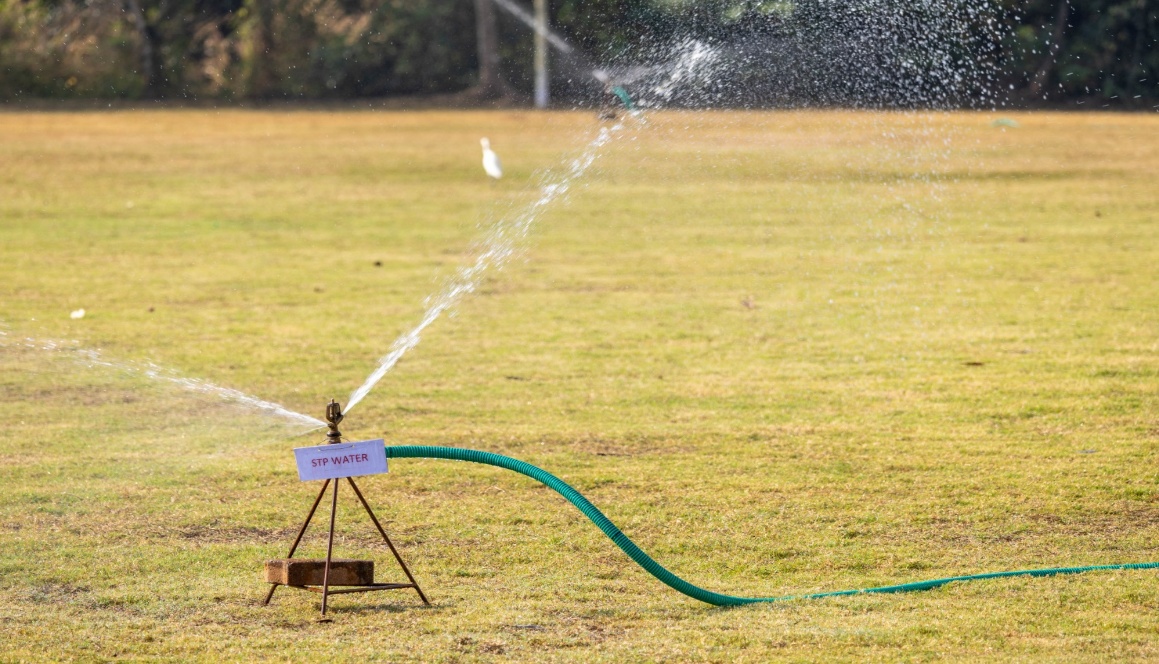
Recycled Water for Lawn Irrigation
Water reuse measurement
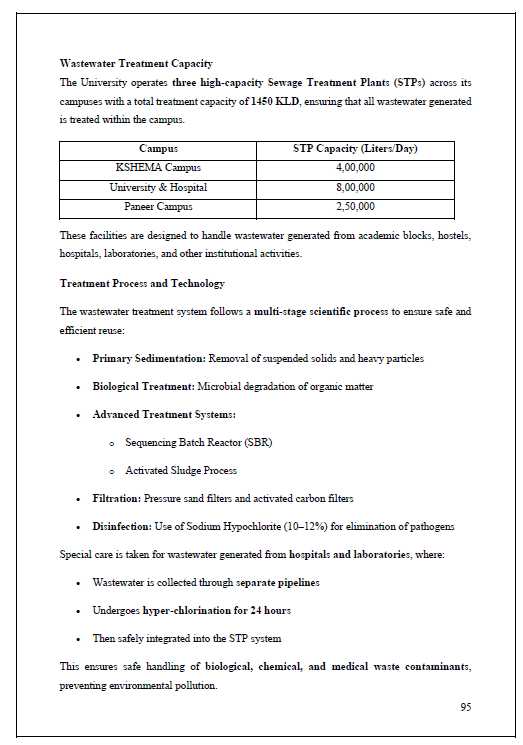
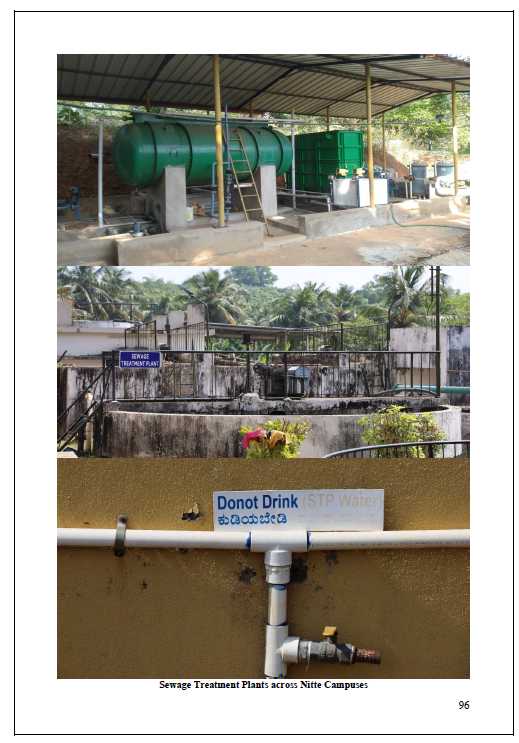
Nitte (Deemed to be University) measures and tracks water recycling as part of its campus water-management practices. Wastewater generated on the campuses is collected and treated through Sewage Treatment Plants (STPs), and the treated water is reused for non-potable applications, primarily toilet flushing and irrigation of gardens and landscapes. The three campus STPs have a combined treatment capacity of 1,450,000 litres per day: 800,000 litres/day at the University and Hospital Campus, 400,000 litres/day at KSHEMA Campus and 250,000 litres/day at Paneer Campus. The University also records wastewater generation and water recycling as part of its water-management monitoring. The relevant Green Audit Report extract, documenting the water reuse practices and measurements, is provided as supporting evidence.
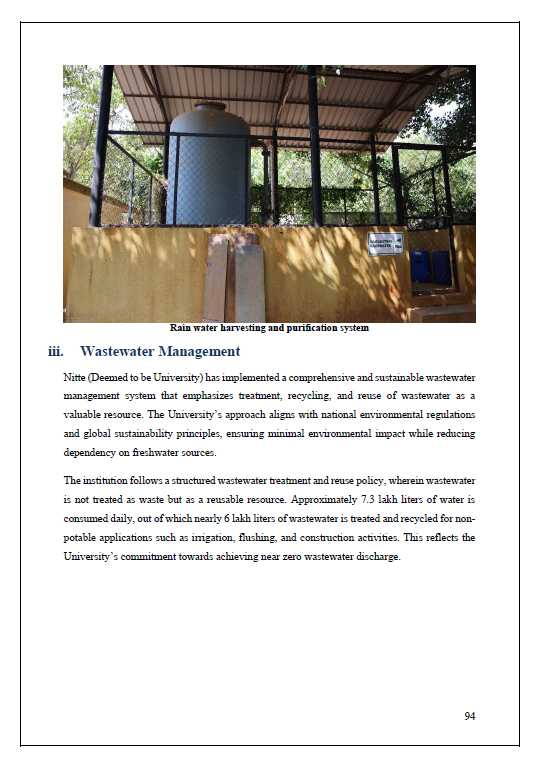
Water management educational opportunities
Nitte (Deemed to be University) provides educational, awareness and capacity-building opportunities free of charge to local communities to develop knowledge and practical understanding of water conservation, responsible water use and sustainable water-resource management. Through community outreach programmes, farmer training, school-based learning, ecosystem-awareness activities and public communication, the University engages diverse community groups in promoting good water-management practices and the protection of water resources
Water Conservation and Micro Irrigation
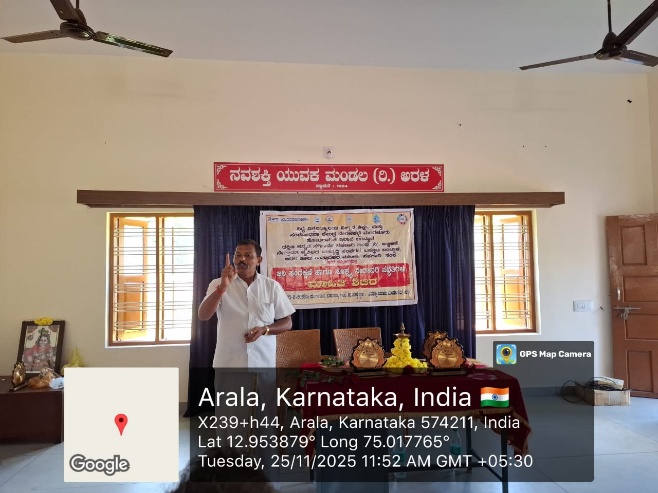
Nitte University Centre for Science Education & Research (NUCSER) in association with the Dept. of Horticulture, Bantwal, The Netravati Farmers Development Association Union, Bantwal and Dakshina Kannada Cooperative Society, Annalike conducted a program on ‘Water Conservation and Micro Irrigation’ for the farmers at Navashakthi Yuvaka Mandala on 25th November 2025, under the Sustainable Development Goals initiative of the University.
Link to publicly accessible description/evidence:
https://www.facebook.com/share/p/1MZbnWFgzh/
https://www.facebook.com/share/p/1BNKfVYqiK/
https://www.instagram.com/p/DRgfxFlEt1v/?utm_source=ig_web_copy_link&igsh=MzRlODBiNWFlZA==
https://aboutnitte.blogspot.com/2025/12/news-from-nucser-water-conservation-and.html
https://nittecoeaquamarin.com/events/awareness-program-on-water-conservation-micro-irrigation
Protecting water bodies through community participation and environmental responsibility
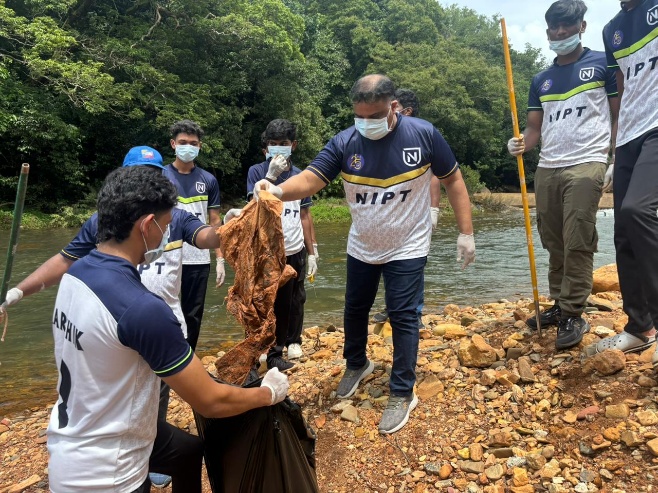
On the occasion of World Environment Day (5 June 2025), the Nitte Institute of Physiotherapy (NIPT) organized a community outreach program titled “Service to Sacred – Clean Souparnika, Green Kollur” at Kollur, focusing on water conservation and environmental sustainability. The program highlighted the impact of plastic and fabric waste on water bodies, emphasized the importance of protecting rivers and maintaining clean water sources, and promoted tree planting for ecological balance. The initiative enhanced community awareness and encouraged active participation in preserving water resources and creating a cleaner, greener environment.

Link to publicly accessible description/evidence:
https://nitte.edu.in/nipe/news-details.php?id=1305
Restoring Mangroves, Protecting Water Ecosystems – A Step Towards Sustainable Water Conservation.
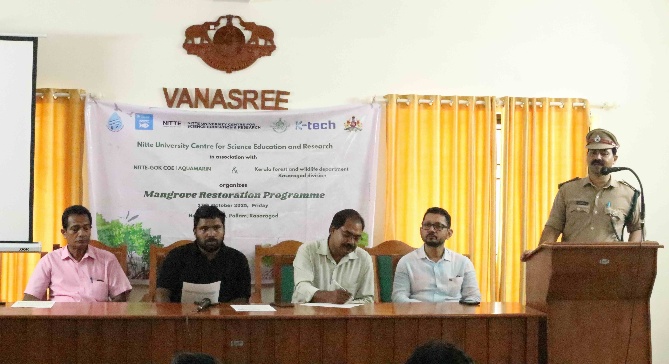
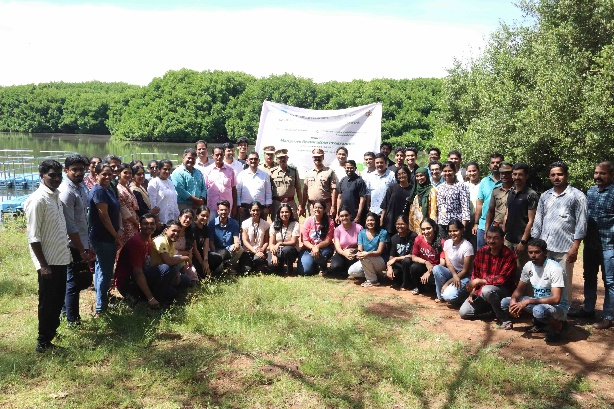
Nitte University Centre for Science Education and Research (NUCSER), in collaboration with the NITTE-GOK Centre of Excellence in Aquamarine Innovation and the Kerala Forest & Wildlife Department, organized an awareness session on Mangrove Restoration at Nagara Vanam, Pallam, Kasaragod, on 17 October 2025. The initiative focused on the importance of mangroves in maintaining healthy aquatic ecosystems, protecting coastal areas, and conserving water resources. The program included awareness activities and mangrove sapling plantation, encouraging community participation in ecosystem restoration and promoting sustainable practices for the protection of aquatic environments.
Link to publicly accessible description/evidence:
https://www.facebook.com/share/p/1HX2FYhwcm/
https://www.linkedin.com/posts/nitte-gok-coe-aquamarin_nucser-nitteuniversity-mangroveconservation-activity-7387707131216613376-P7Y6?utm_source=share&utm_medium=member_desktop&rcm=ACoAAAYl71ABq8M1yIGWnDuir2gyBh3jlrn-S38
https://x.com/NUCSER_Official/status/1983715218984440317
https://www.instagram.com/p/DQOBvMNkl2l/?utm_source=ig_web_copy_link&igsh=MzRlODBiNWFlZA==
https://nittecoeaquamarin.com/events/inauguration-and-awareness-session-on-mangrove-restoration
Promoting Community Awareness on Water Conservation through Inoli Lake Rejuvenation
NitteDU’s Inoli Lake Adoption, Rejuvenation, Ranching, and Health Monitoring initiative (2025) facilitated community engagement and awareness activities focused on freshwater conservation, aquatic ecosystem protection, and sustainable water management practices. Through interactions with local stakeholders and the Gram Panchayat, the initiative promoted knowledge sharing and encouraged the community to adopt responsible practices for the long-term preservation of water resources.
Link to publicly accessible description/evidence:
https://www.facebook.com/share/p/19kGDF8tem/
https://x.com/NUCSER_Official/status/1961704041265991737
https://www.facebook.com/share/p/173Rm6TNnh/
https://www.instagram.com/p/DOc8UTQDzZk/?utm_source=ig_web_copy_link&igsh=MzRlODBiNWFlZA==
https://aboutnitte.blogspot.com/2025/09/news-from-nucser-bringing-back-water.html
Exhibition for school students on water conservation and climate change
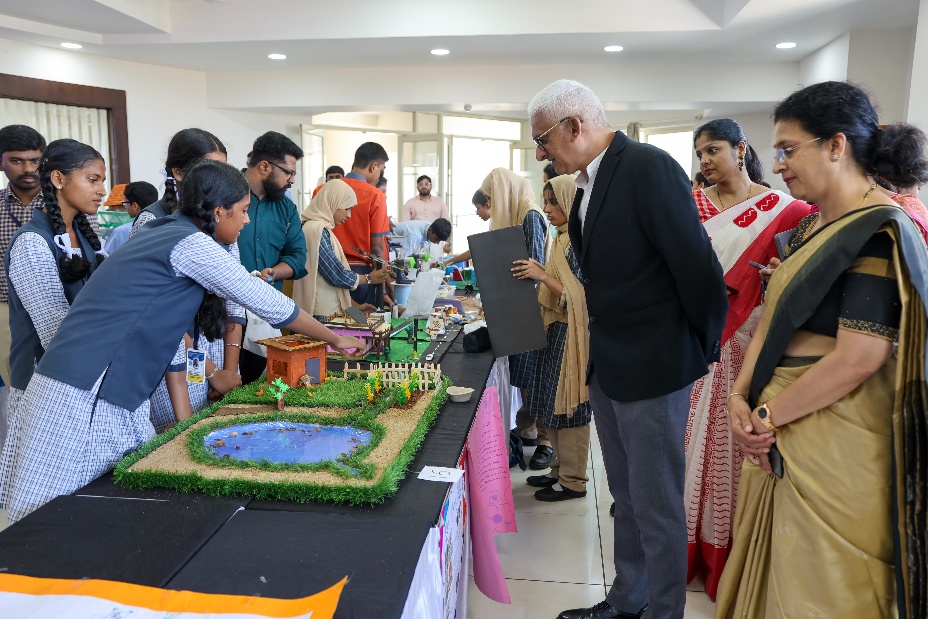
On 10th November 2025, a model exhibition for school children was organized under the Nitte Climate Action Program to raise awareness about water conservation and climate change, fostering early understanding and responsible action among young learners.
Link to publicly accessible description/evidence:
https://youtu.be/vAXq33xQrpg?si=D3XRxzSkzSlOvPko
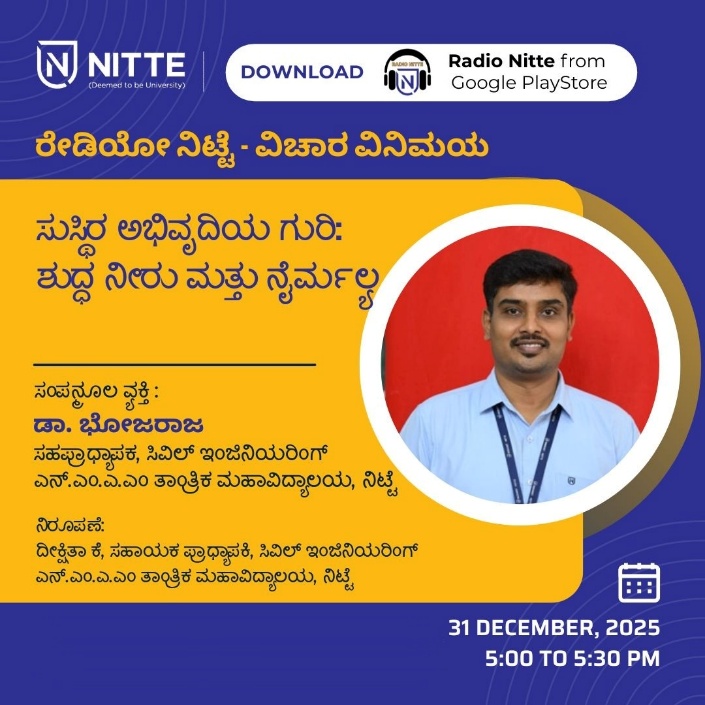
Awarness on clean water and sanitation through Radio Nitte
An awareness programme on clean water and sanitation was broadcast on Radio Nitte on 31 December 2025. The programme was delivered in the local language to effectively engage and connect with listeners, promoting awareness on safe water, proper sanitation practices, and sustainable water management for improved public health and environmental well-being.
Jalakrishi Samshodhana Vimarsha Bhandara (JSVB): Aqua Solution Portal for Sustainable Aquaculture and Water Management
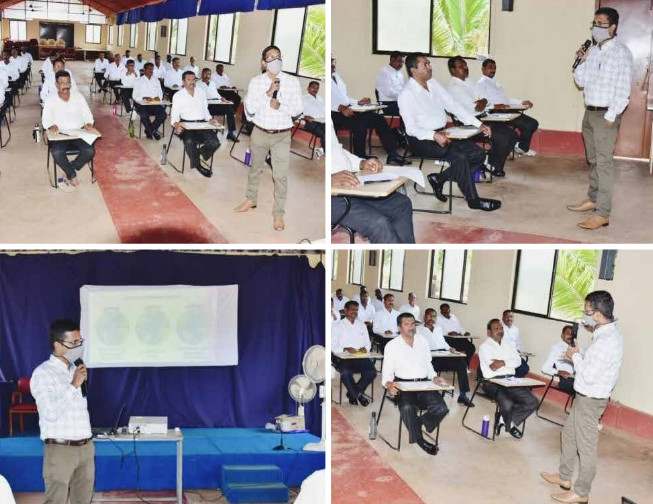
Nitte University, through the AQUAMARIN Centre of Excellence, provides the Jalakrishi Samshodhana Vimarsha Bhandara (JSVB) portal (https://nittecoeaquamarin.com/jalakrishi) as an educational platform for local fish farmers, aquaculture practitioners, and other stakeholders. The portal facilitates knowledge sharing, expert guidance, and problem-solving on sustainable aquaculture and responsible water management, supporting community learning and the adoption of good water management practices.
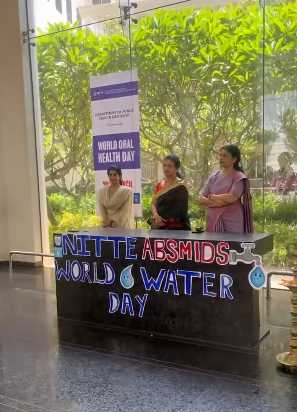
World Water Day 2025: Awareness Programme on Water Conservation
On the occasion of World Water Day, observed on 22 March 2025, a special awareness programme was organised by A B Shetty Memorial Institute of Dental Sciences in collaboration with the SDG Cell, Nitte DU, at the Glass House of K S Hegde Medical Hospital. The programme focused on creating awareness about the importance of water conservation, sustainable management of water resources, and the need for responsible water usage. Students presented an energetic dance performance highlighting the urgency of conserving water, followed by a skit depicting the challenges of water scarcity and its impact on communities.
Good Aquatic Stewardship Award
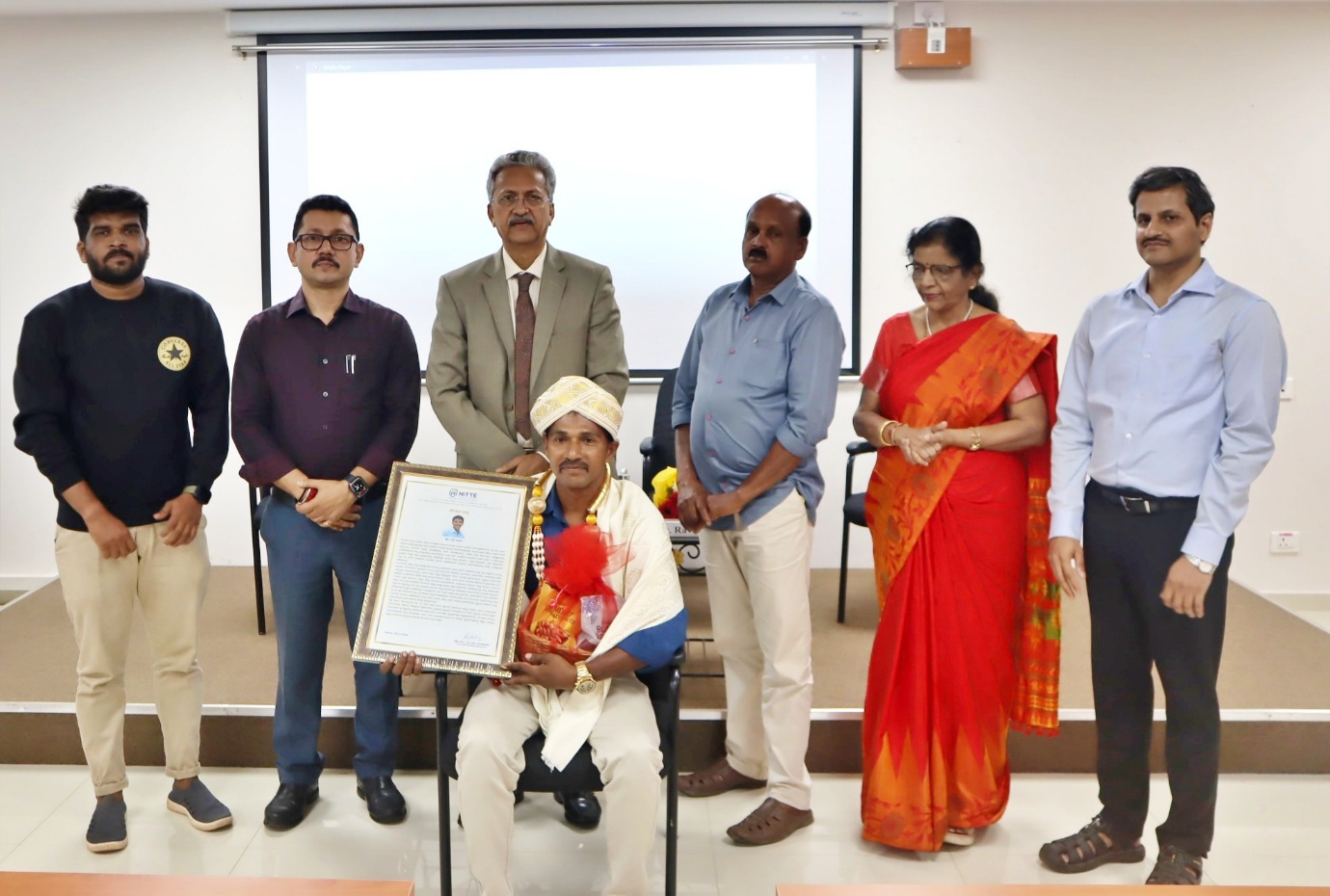
NUCSER and NITTE-GOK Centre of Excellence in Aquamarine Innovation organized a felicitation program on 5th December 2025 with the theme, Sustainable World with Good Aquatic Stewardship Practices to honour Mr. Ravi Kharvi, a pioneering aquapreneur, for his significant contributions to the aquaculture and fisheries sector. Mr Ravi is a pioneer in the cage culture system in this part of the country and he has been a role model for young aquaculture enthusiasts in Dakshina Kannada and Udupi districts.
Link to publicly accessible description/evidence:
https://www.facebook.com/share/p/1b2jE7Z1NK/
https://www.facebook.com/share/p/14T41vkiNqa/
https://www.instagram.com/p/DR6ZG77kr5_/?utm_source=ig_web_copy_link&igsh=MzRlODBiNWFlZA==
https://aboutnitte.blogspot.com/2025/12/news-from-nucser-sustainable-world-with.html
https://nittecoeaquamarin.com/events/felicitation-guest-talk-on-sustainable-aquatic-stewardship-mr-ravi-kharvi-
Lake Adoption, Rejuvenation, Ranching, and Health Monitoring of Inoli Lake
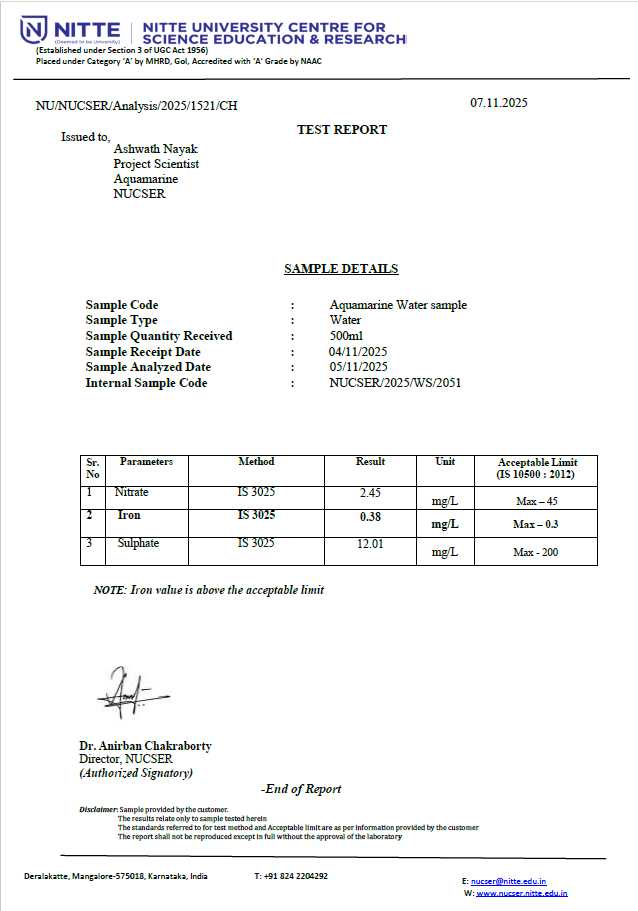
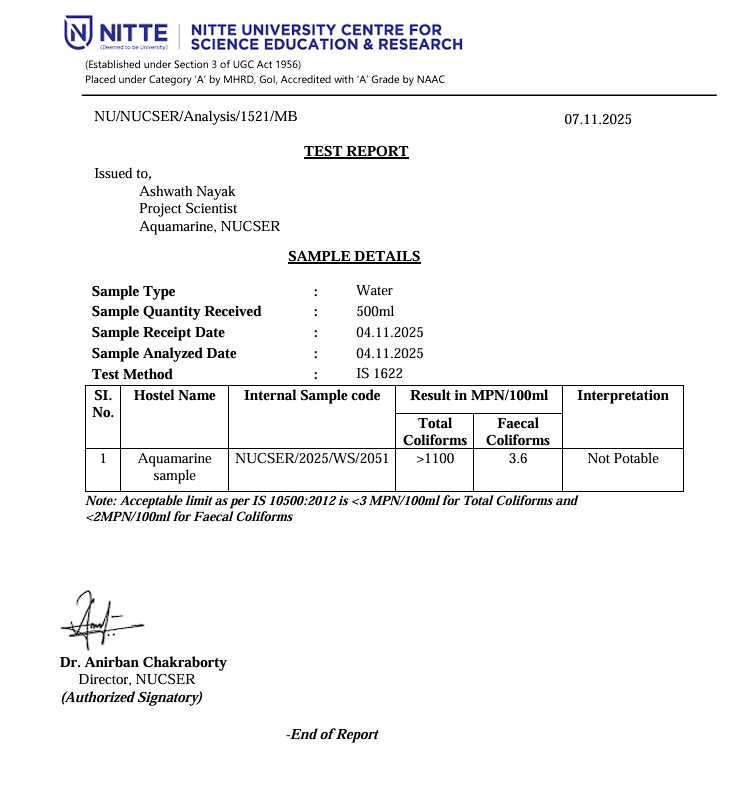
NitteDU adopted Inoli Lake to promote sustainable freshwater ecosystem conservation through scientific restoration and community participation. Lake rejuvenation activities, including cleaning drives and awareness programmes (9 September 2025), followed by scientific lake ranching (11 October 2025), enhanced ecological health, aquatic biodiversity, and ecosystem resilience.Periodic water quality monitoring conducted between August and December 2025 (sampling on 4 November 2025) assessed key physicochemical and biological parameters, identifying nutrient enrichment and microbial contamination that require continued management. Restoration measures, including manual and mechanical weed removal, native fish stocking, and habitat improvement, addressed major challenges such as weed infestation, eutrophication, and biodiversity loss. In collaboration with the Gram Panchayath, NitteDU continues to support the long-term monitoring, maintenance, and conservation of the Inoli Lake ecosystem.
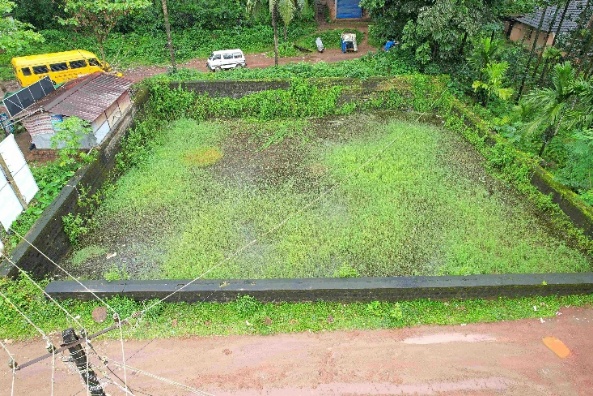
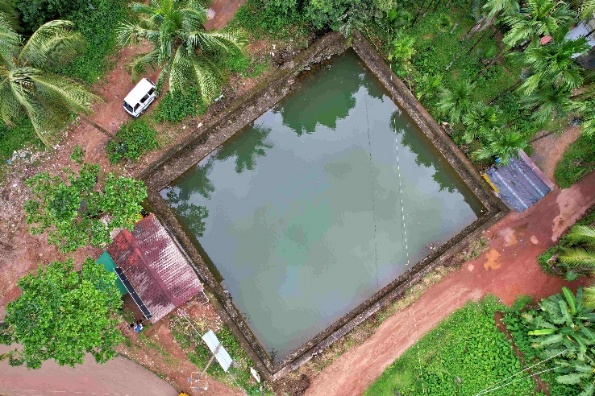
Inoli lake before and after rejuvenation

Ranching activity

Ranching activity
Research activities
Nitte University has prioritized research on clean water and sanitation as part of its commitment to public health and community welfare. This focus addresses the critical challenges associated with water quality, access to safe drinking water, and effective sanitation practices. Here’s an overview of Nitte's initiatives and contributions in this vital area:
Sustainable Biosorption of Dye Pollutants from Wastewater
Research investigated the use of extracellular polymeric substance (EPS) produced by Lysinibacillus sp. SS1 as a sustainable adsorbent for removing residual methyl green dye from contaminated wastewater. The EPS achieved 99.14% dye removal under optimized conditions, demonstrating high adsorption capacity and effective treatment at low pollutant concentrations. The study highlights an energy-efficient, eco-friendly, and potentially scalable approach to wastewater remediation and water-quality improvement.
Link to publicly accessible description/evidence:
https://link.springer.com/article/10.1007/s10532-025-10136-2
Sustainable Wastewater Treatment Using Biomass-Derived Adsorbent
Research explored the use of a modified cornstalk cellulose-derived adsorbent for removing heavy-metal contaminants from wastewater. The study demonstrates the potential of converting agricultural biomass into a functional material for water purification and pollution reduction. This approach supports sustainable water management through waste-to-resource utilization, wastewater remediation, and development of environmentally responsible treatment technologies.
Link to publicly accessible description/evidence:
https://www.sciencedirect.com/science/article/pii/S2666893924002135
Rational Design of Heterostructured MOF-on-MOF Nanocomposites for Efficient Cesium Sequestration in Wastewater Treatment
The research develops a NH₂-MIL-125(Ti)@ZIF-8 MOF-on-MOF nanocomposite for removing radioactive cesium (Cs⁺) from contaminated water. The material showed high Cs⁺ adsorption capacity (392.62 mg/g), rapid equilibrium within 30 minutes, and strong selectivity in the presence of competing ions. It also retained more than 90% Cs⁺ removal efficiency in simulated seawater and groundwater, demonstrating potential for water remediation and treatment of complex aqueous environments.
Link to publicly accessible description/evidence:
https://www.sciencedirect.com/science/article/abs/pii/S1385894725076272
Poly(hydroxamic acid) Ligand from Cornstalk Cellulose for Heavy Metal Recovery from Electroplating Wastewater
The research developed a poly(hydroxamic acid) ligand derived from cornstalk cellulose for recovering heavy metals from electroplating wastewater. The study demonstrates the conversion of agricultural biomass into a functional material capable of capturing and recovering metal contaminants from industrial wastewater. This approach supports wastewater remediation, resource recovery, and sustainable water-quality management through biomass valorization and pollutant removal.
Link to publicly accessible description/evidence:
https://www.sciencedirect.com/science/article/abs/pii/S2352554124004467
AI-Based Monitoring for Sustainable Industrial Wastewater Treatment
Research developed an optimized node-level capsule graph neural network for predicting critical effluent-quality parameters, particularly chemical oxygen demand (COD), in papermaking wastewater treatment. The approach enables accurate and timely prediction of effluent quality, supporting effective monitoring, optimization of wastewater treatment processes, and improved water-quality management.
Link to publicly accessible description/evidence:
https://link.springer.com/article/10.1007/s10661-024-13581-3
Nanoengineered Pervious Concrete for Wastewater Remediation
Research developed reduced graphene oxide (RGO)-decorated pervious concrete for removing heavy-metal contaminants from wastewater and urban runoff. The material demonstrated high removal efficiencies for copper, zinc, lead, and cadmium, while also improving the durability and chemical resistance of the concrete. The study highlights the potential of pervious concrete as a reactive filtration barrier for wastewater treatment and urban runoff management, supporting sustainable water-quality management.
Link to publicly accessible description/evidence:
https://link.springer.com/article/10.1007/s41062-025-02211-7
AI-Based Pipeline Leakage Detection for Sustainable Water Management
Research developed an AI- and machine-learning-based approach for detecting and locating leaks in water distribution pipelines using real-time SCADA data. The approach enables early identification of pipeline leakage, helping reduce water losses, energy wastage, and operational inefficiencies. The study demonstrates the potential of accessible AI tools for improving water-distribution efficiency, leakage management, and sustainable water resource conservation.
Link to publicly accessible description/evidence:
https://www.sciencedirect.com/science/article/pii/S1944398625005739
Smart Environmental Monitoring for Sustainable Water Resource Management
Research developed an integrated framework combining IoT sensors, satellite data, and machine learning for real-time and predictive monitoring of aquatic environments. The system improves the detection and prediction of water-quality changes, pollution events, and ecological risks, enabling timely and data-driven water-resource management. A pilot application in a freshwater lake demonstrated improved prediction accuracy and faster contaminant detection, highlighting the potential of smart technologies for water-quality protection, pollution management, and sustainable aquatic resource conservation.
Link to publicly accessible description/evidence:
https://nesciences.com/article/72946/
IoT-Based Water Quality Assessment Using Multi-Stage Machine Learning
Research developed an Adaptive Multi-Stage Learning Fusion (AMLF) framework for reliable water-quality assessment using IoT-based sensor data. The framework integrates data preprocessing, temporal feature extraction, Gradient Boosting, and LSTM models to address noisy, missing, and variable water-quality data. The resulting predictions are used to calculate the Water Quality Index (WQI), supporting accurate assessment and timely monitoring of water quality. The approach demonstrates the potential of IoT and machine learning for data-driven water-quality management and sustainable water-resource monitoring.
Link to publicly accessible description/evidence:
https://ieeexplore.ieee.org/document/11354450
LoRa-Based Intelligent Monitoring for Real-Time Water Quality Assessment
Research developed a LoRa-enabled smart water-quality monitoring system integrating low-power sensor networks with a 1D CNN enhanced by Squeeze-and-Excitation (CNN-SE) for real-time water-quality classification. Sensor data are processed using noise-filtering and data-cleaning techniques before edge-based analysis, enabling accurate, low-latency, and energy-efficient monitoring. The system achieved 96.70% classification accuracy and demonstrated reliable data transmission, highlighting its potential for real-time water-quality monitoring and sustainable water-resource management.
Link to publicly accessible description/evidence:
https://ieeexplore.ieee.org/document/11210895
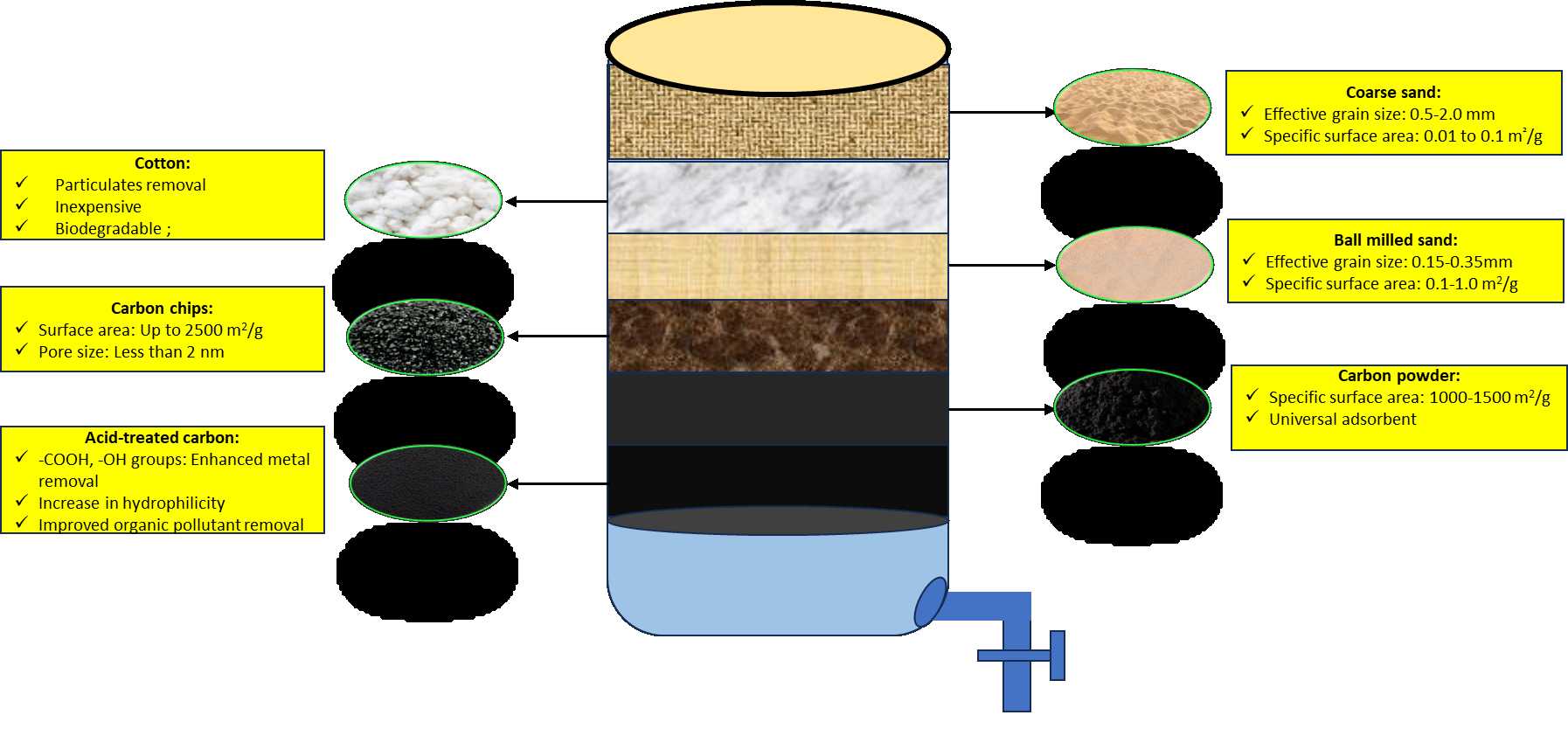
Nitte DU published patent on “Cost and energy-efficient water purifier for highly rural and tribal areas”. The present invention relates to an apparatus for purification of non-potable water. The apparatus comprises a housing configured to retain a multilayered adsorbent assembly and a flow regulating component for controlled discharge of purified water. The multilayered adsorbent assembly includes a plurality of vertically arranged layers in a predetermined sequence for sequential removal of contaminants from non-potable water. The assembly comprises a coarse sand layer, a cotton layer, a fine-grained sand layer, a carbon chip layer, an activated carbon layer, and an acid-treated carbon layer, enabling effective filtration and purification of contaminated water.
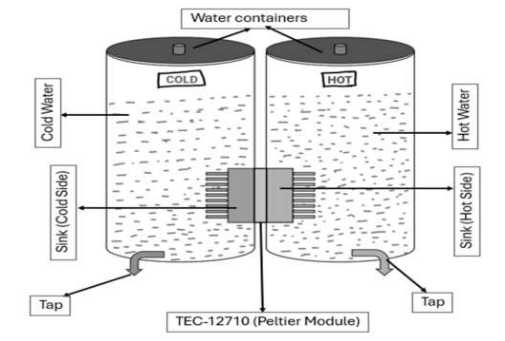
Nitte DU published patent on “A compact water dispenser system utilizing peltier-based thermoelectric cooling and heating”. The present invention relates to a compact water dispenser system utilizing Peltier-based thermoelectric cooling and heating technology. The system comprises a thermoelectric module configured to operate using a direct current power supply for generating cooling and heating effects through the Peltier effect. The system further includes a water reservoir for storing water, a power supply unit for operating the thermoelectric module, and a heat dissipation unit for removing heat from the hot side of the module during cooling operation. A temperature control unit regulates the current supply to maintain the desired water temperature within a predefined range, and a dispensing outlet delivers water at a selected temperature.
 .
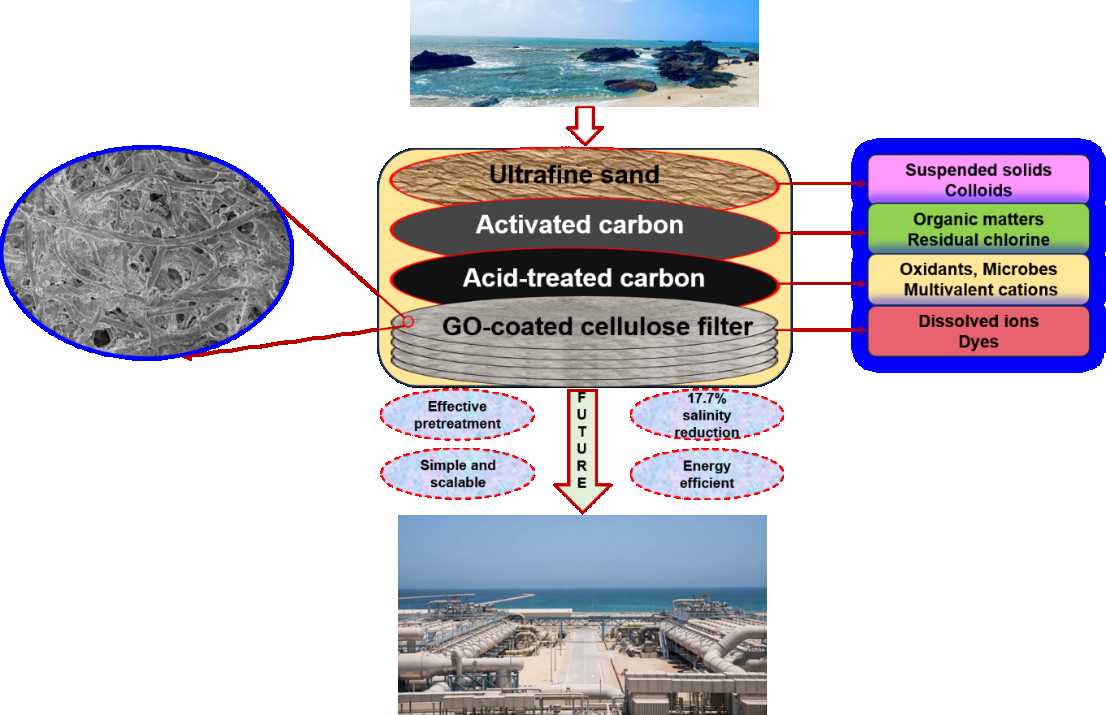
Nitte DU developed a gravity-driven hybrid filtration system for the partial desalination and pretreatment of seawater. The system integrates graphene oxide (GO) and Ti₃C₂Tₓ MXene-coated cellulose filters to efficiently remove suspended solids, organic contaminants, and dissolved ions without external energy input. It achieves a 17.7% reduction in salinity and produces high-quality pretreated water, reducing the load on downstream desalination processes. This low-cost, scalable, and energy-efficient technology supports sustainable desalination by minimizing energy consumption and enhancing membrane longevity.
Nitte DU published patent on “Hydrolens freshwater estimation system”. The present invention relates to a freshwater estimation system for identifying and analyzing freshwater bodies using advanced remote sensing and data processing techniques. The system comprises a sensor unit configured to capture multispectral and hyperspectral images, a communication network for secure data exchange, and a microcontroller integrated with multiple processing modules. The modules include data input, preprocessing, semantic segmentation, surface area calculation, water depth estimation, and obstacle detection for accurate identification, analysis, and characterization of freshwater resources.
Nitte DU published patent on “Underwater waste detection and collection system using remotely operated vehicle (rov)”. The present invention relates to an underwater waste detection and collection system comprising an underwater remotely operated vehicle (ROV) configured to detect, identify, and collect underwater waste. The system further includes a boat configured to restrict the movement of the ROV and function as a communication relay between the ROV and a control unit. A location detector determines the real-time position of the boat, while the control unit tracks the ROV position, surrounding environment, and objects of interest, and provides real-time movement instructions to optimize the ROV orientation and operation using advanced detection algorithms. The system further comprises supervision and modification modules for enhanced control and adaptability. A user interface displays real-time information from the ROV, including detected waste, environmental conditions, and operational status.
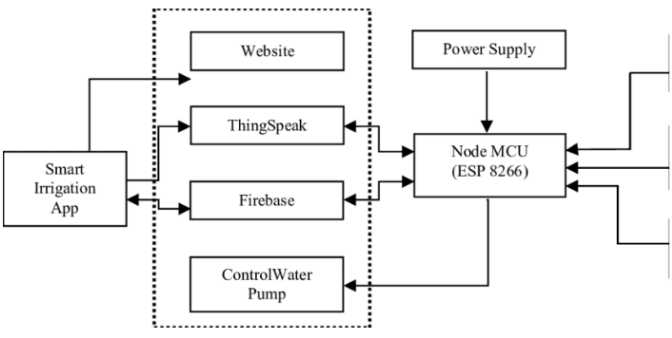
Nitte DU published patent on “Predictive Analytics for Optimal Water Management in Smart Irrigation Using Node MCU data”. The present invention relates to a smart irrigation system utilizing NodeMCU and predictive analytics for optimizing water usage in agriculture. The system integrates IoT-based technology with environmental sensors, including soil moisture, temperature, humidity, and rainfall sensors, to collect real-time field data. The collected data is analyzed using predictive analytics algorithms to determine crop water requirements based on environmental conditions, weather patterns, and crop characteristics. The system automatically regulates irrigation schedules and water distribution to minimize water wastage while maintaining optimal crop growth. The system further utilizes historical data to enhance prediction accuracy and adapt to changing conditions. A user interface enables remote monitoring and control, providing an efficient, automated, and sustainable irrigation solution that reduces resource consumption and improves agricultural water management.
Nitte DU published patent on “Predicting Urban water quality with Ubiquitous Data”. The present invention relates to an artificial intelligence-based system for water quality assessment and water consumption forecasting. The system employs deep learning models to predict the Water Quality Index (WQI) and urban water consumption (UWC), while machine learning models are utilized to classify water quality based on physicochemical parameters. The system further incorporates a correlation analysis module to evaluate relationships among water quality attributes and a performance evaluation module to assess prediction accuracy using statistical metrics. By enabling accurate forecasting of water quality and consumption trends, the invention supports timely decision-making, efficient water resource management, and early identification of potential contamination.
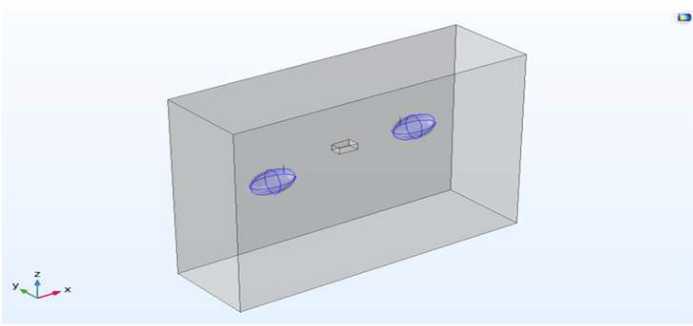
Nitte DU published patent on “Underwater communication system”. The present invention relates to an underwater communication system for reliable data exchange between underwater vehicles. The system comprises a transmitter, receiver, display interface, communication network, and microcontroller integrated with functional modules for data acquisition, processing, frequency control, signal decoding, and location detection. The system analyzes environmental factors such as attenuation, ambient noise, and Doppler effects to optimize communication parameters, enabling improved signal reliability, accurate data transmission, and efficient underwater operation.
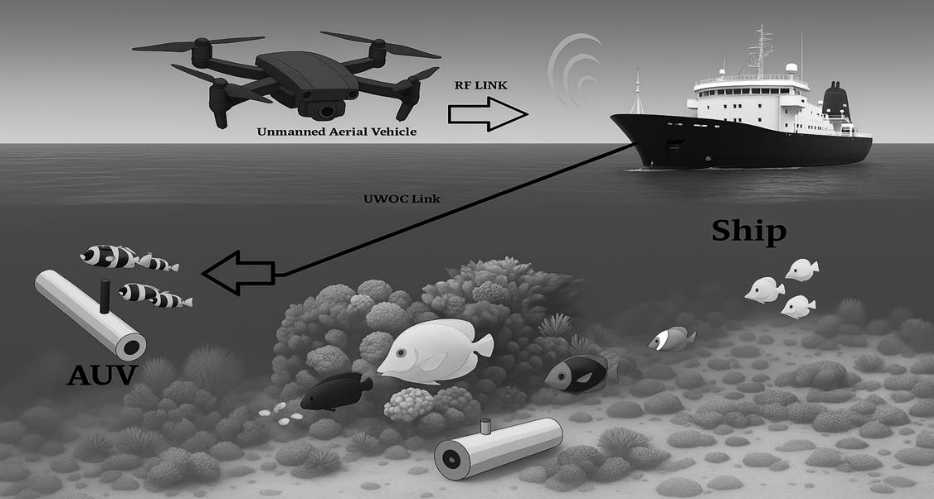
Nitte DU published patent on “A hybrid aerial-underwater communication system using rf and uwoc for coordinated autonomous maritime operations”. The present invention relates to a hybrid aerial-underwater communication system utilizing radio frequency (RF) and underwater optical wireless communication (UWOC) technologies for coordinated autonomous maritime operations. The system comprises an unmanned aerial vehicle (UAV) operating above the water surface with an optical receiver and RF transceiver, an unmanned underwater vehicle (AUV) operating below the water surface, and a surface vessel equipped with a control unit, RF communication module, and optical transceiver for communication with both UAV and AUV. The system further includes a relay interface unit for protocol translation and seamless data exchange between UWOC and RF communication channels, a coordination controller for managing synchronization, routing, and data prioritization, and a power management unit for dynamically allocating energy resources based on mission requirements and communication demands.
Nitte DU published patent on “Aquatic pollution detection and monitoring system and method thereof”. The present invention relates to an aquatic pollution detection and monitoring system and method for real-time assessment of water quality. The system comprises a data acquisition unit configured to collect water quality parameters using integrated sensors, a microcontroller for coordinating system operations, and a navigational and control unit integrated with an obstacle detection module for identifying underwater and floating obstacles. A communication network enables real-time data exchange between system components, while a processing unit incorporates preprocessing, feature extraction, classification, and feedback-based optimization modules for accurate pollution analysis. The system further includes a user interface, accessible through a user device, for real-time visualization of water quality data, pollution status, and system performance, thereby enabling efficient monitoring and timely environmental decision-making.
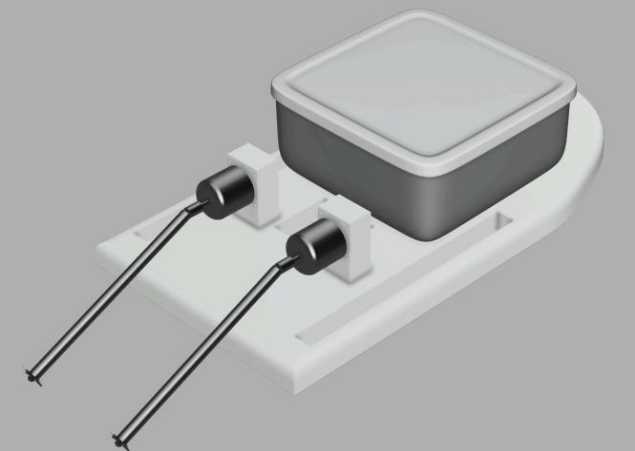
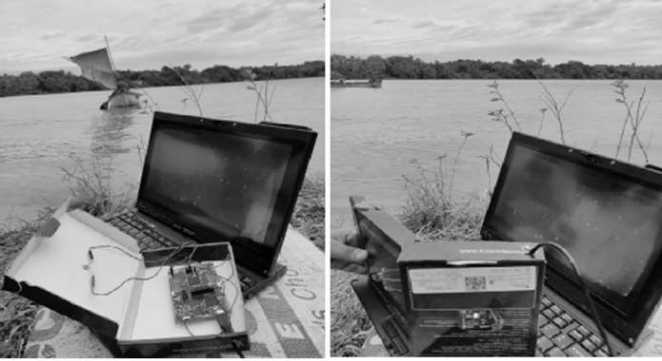
Nitte DU published patent on “In-situ spectrometer system for real-time detection and classification of aquatic debris”.> The present invention relates to an in-situ system for real-time detection and classification of aquatic debris with enhanced environmental monitoring capabilities. The system comprises a deployable underwater device having a waterproof housing and an optical window, a spectrometer for acquiring spectral data, and a communication network for transmitting data among system components. A processing unit utilizes machine learning algorithms to analyze spectral data and automatically detect and classify aquatic debris through data input, processing, debris detection, debris classification, alert generation, and timing control modules. The system further includes a user interface integrated with a user device to provide real-time visualization of spectral analysis results, debris classification, and monitoring information, thereby enabling efficient aquatic debris surveillance and environmental management.
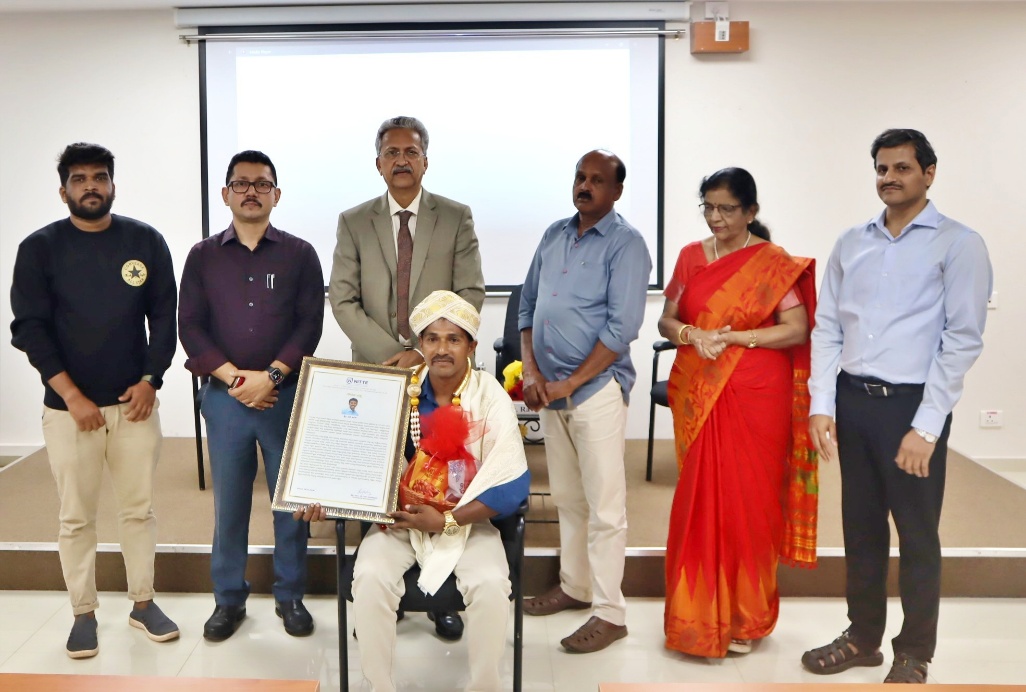
Felicitation of Aquaculture Pioneer for Sustainable Fisheries Development
As part of NitteDU’s water conservation initiatives, a felicitation event was held on 5th December 2025 to honor Mr. Ravi Kharvi, a pioneering aquapreneur, for his outstanding contributions to the aquaculture and fisheries sector. A pioneer of the cage culture system in the region, Mr. Kharvi has inspired young aquaculture enthusiasts across Dakshina Kannada and Udupi districts through his innovative practices and dedication to sustainable aquaculture development.
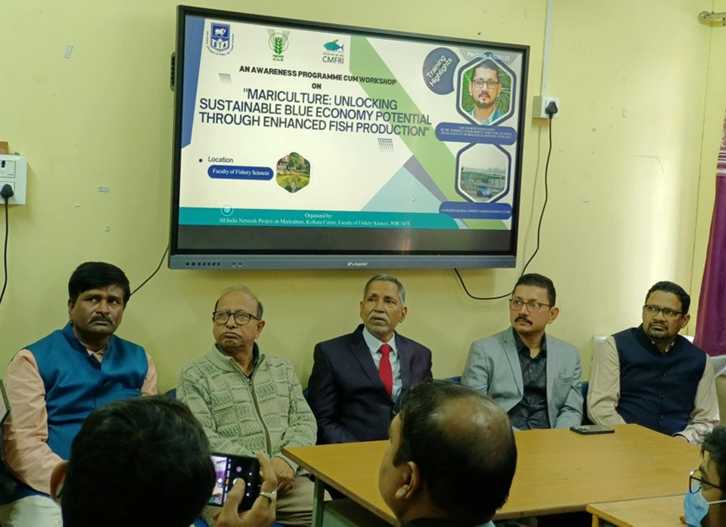
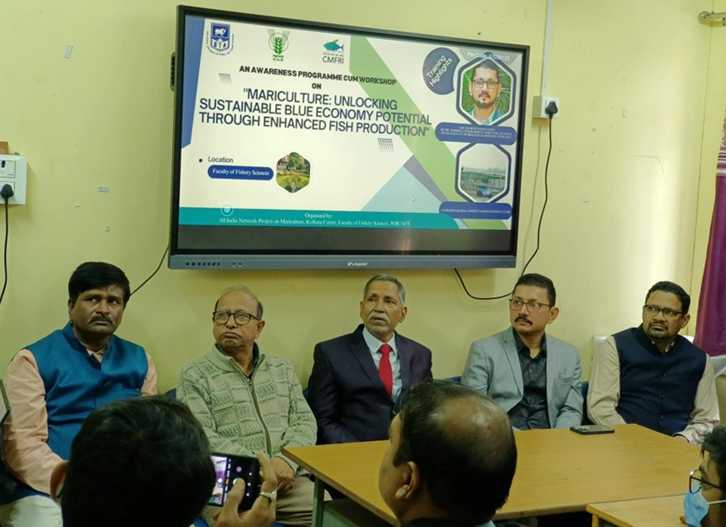
Outreach session promoting awareness on sustainable water management and aquatic resources The Nitte University Centre for Science Education and Research (NUCSER) organized a Centre Visit and Outreach Awareness Session on Aquamarine on 16 January 2025 at the College of Fisheries, Kolkata. The programme aimed to foster academic collaboration and enhance awareness among participants on sustainable aquatic resource management, water quality conservation, and the responsible stewardship of aquatic ecosystems.
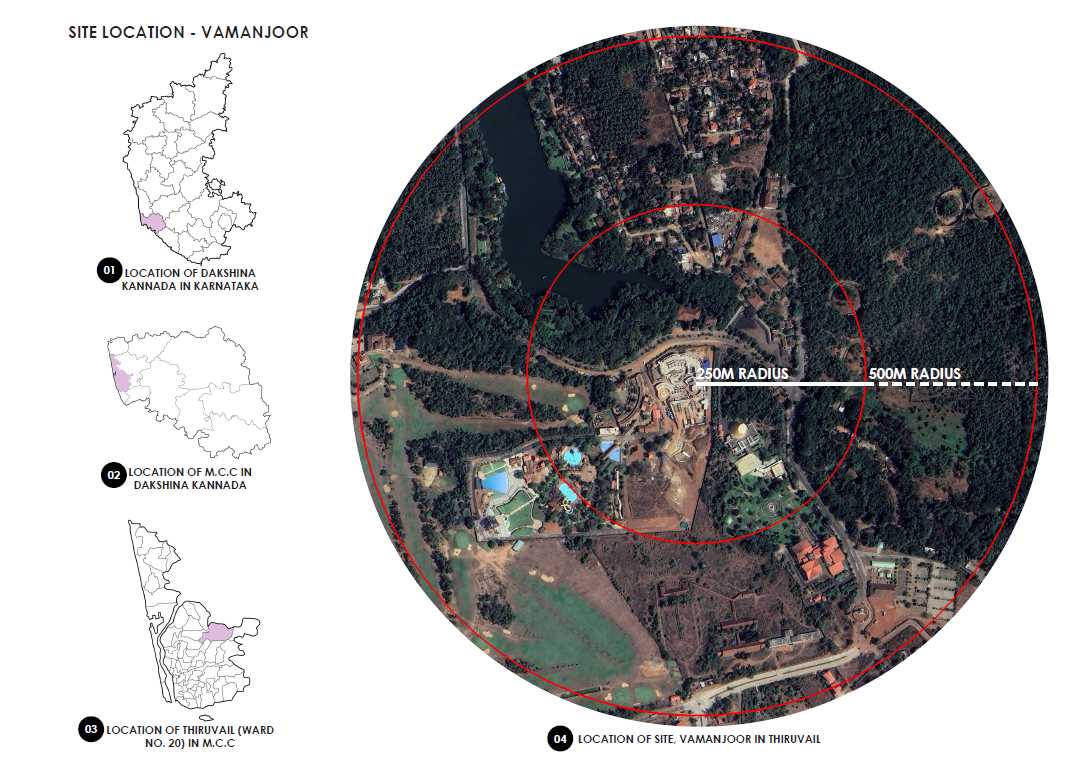
Pilikula Nisargadhama: A Water-Sensitive Development Study
Pilikula Nisargadhama was studied as part of a student project as an off-campus example of water-sensitive sustainable development. The study examined the integration of water bodies, vegetation, open spaces, natural drainage, and built infrastructure, highlighting how blue–green infrastructure can support water retention, infiltration, ecological balance, and reduction of surface-water runoff. The project applied water-sensitive planning and conservation principles to a real-world landscape, demonstrating their relevance to sustainable water management beyond the campus

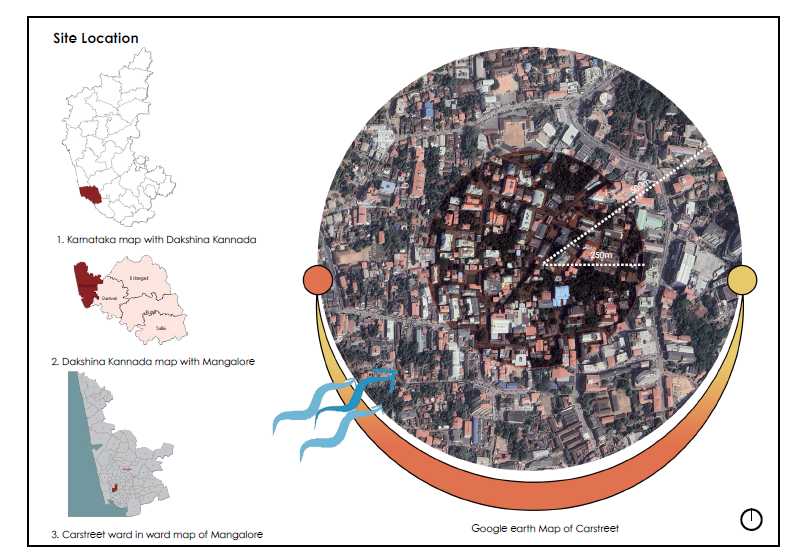
Water-Sensitive Community Planning in Carstreet, Mangalore: A Blue–Green–Grey Infrastructure Approach
As part of a student project, Carstreet, Mangalore, was analysed using a blue–green–grey infrastructure approach. The study mapped built infrastructure, vegetation, and water-related features to understand their spatial relationship. The analysis identified extensive grey infrastructure, limited green spaces, and minimal blue infrastructure, highlighting opportunities to strengthen water-sensitive planning through increased vegetation, protection of existing water features, improved natural drainage, and greater integration of blue–green infrastructure. The study demonstrates the application of water conservation and sustainable urban planning principles in an off-campus community setting.
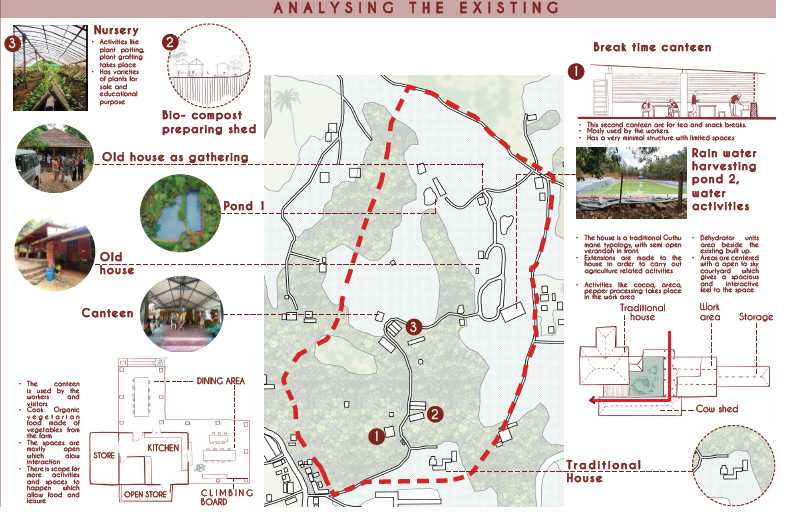
Hydrogeological Assessment for Groundwater Development in Adyanadka
A hydrogeological assessment of Adyanadka focuses on understanding groundwater availability and its potential for sustainable development. The study considers the region’s high rainfall, undulating terrain, natural water accumulation, and existing water-management practices. Groundwater resources can support agricultural, domestic, and allied activities, while rainwater harvesting, ponds, check dams, and percolation measures can enhance groundwater recharge and reduce water stress. The assessment therefore emphasizes sustainable extraction and effective water conservation suited to the local agricultural landscape.
Nitte (Deemed to be University) adopts sustainable approaches to water extraction and sourcing across its campuses and associated off-campus sites. The University combines open wells, rainwater harvesting, water storage, groundwater recharge and alternative water sources to reduce dependence on intensive groundwater extraction and support the long-term availability of freshwater for academic, healthcare, residential and landscape needs.
Sustainable Water Extraction Technologies and Practices
Preference for Open Wells: Nitte prioritizes the use of open wells over deep borewells wherever feasible, helping reduce dependence on intensive groundwater extraction and supporting more sustainable water withdrawal.
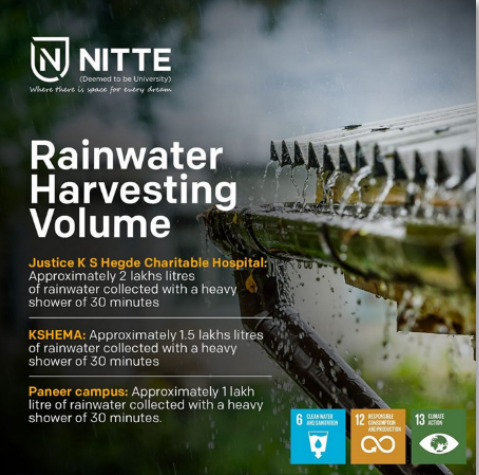
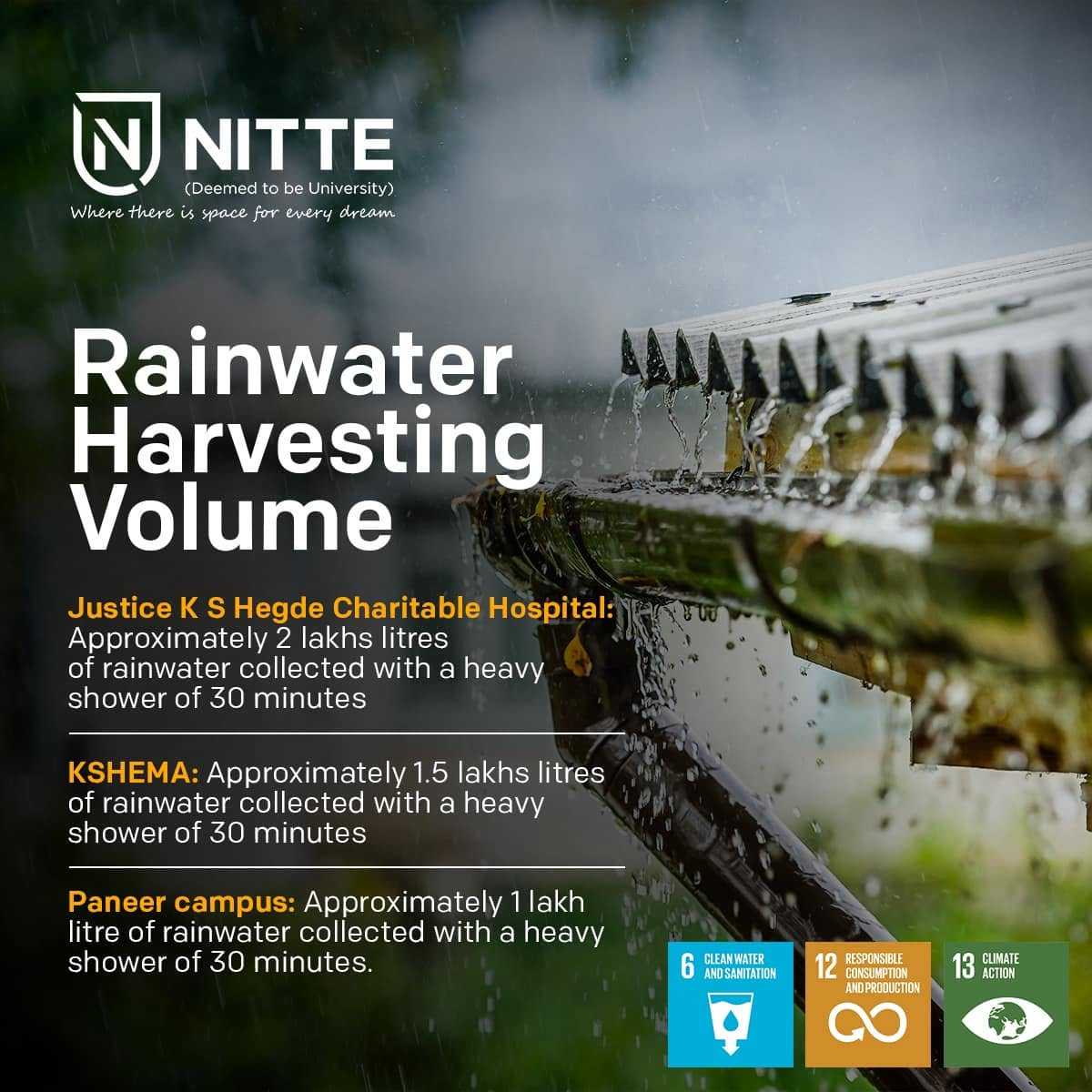
Rainwater Harvesting: Rainwater harvesting systems are implemented across Nitte campuses. Rooftop rainwater is collected through dedicated pipelines and directed to storage and treatment systems, providing an alternative source of water and reducing dependence on conventional freshwater extraction.
Groundwater Recharge: Recharge pits, open wells, percolation systems and natural water bodies support groundwater replenishment. Stormwater is directed towards suitable recharge and infiltration structures to enhance aquifer recharge.
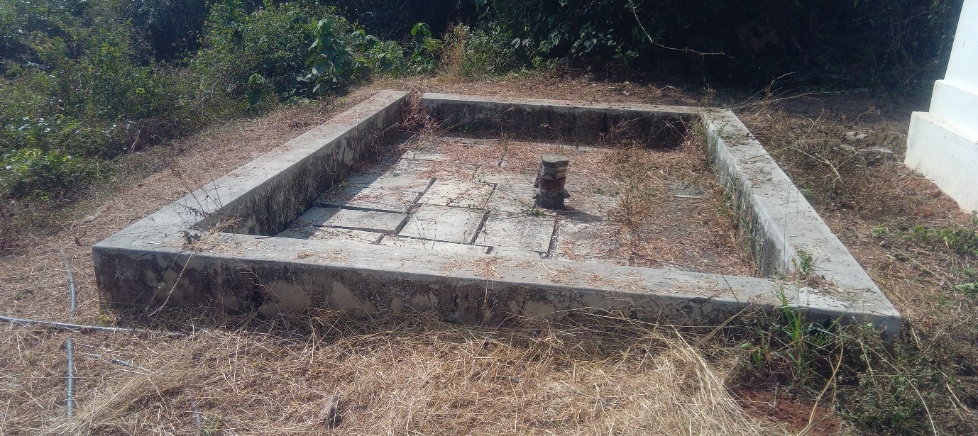
Stormwater Collection and Storage: Dedicated stormwater drainage networks and rainwater storage ponds capture surface runoff, improve infiltration and enable beneficial use of available rainwater. Campus landscaping and drainage are designed to facilitate natural water movement and collection.
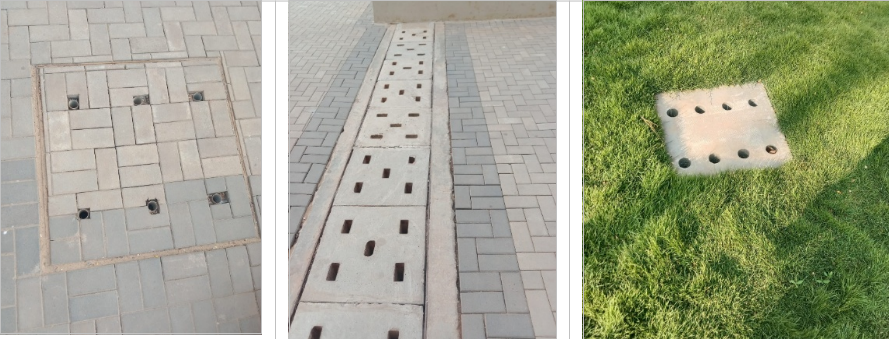
Strom water drainage system
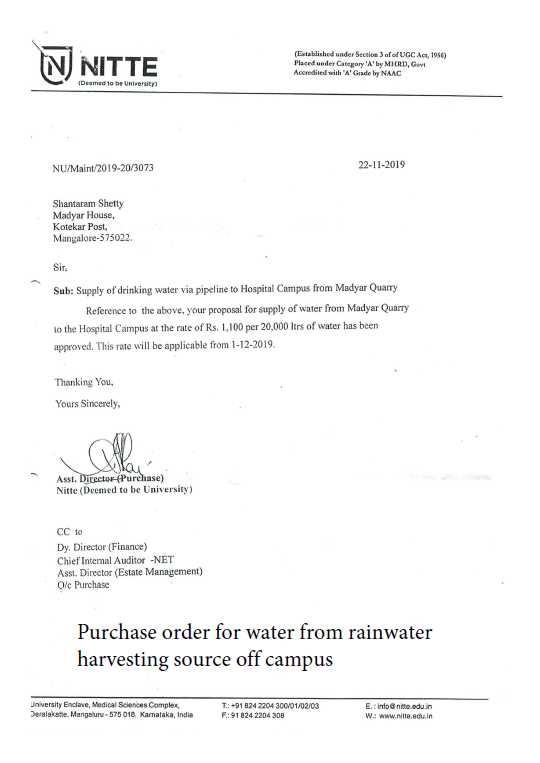
Sustainable Off-Campus Water Sourcing: Nitte also utilizes harvested rainwater from an artificially created storage pond located outside the campus, supplied through a dedicated pipeline under a formal Memorandum of Understanding (MoU). This demonstrates sustainable water sourcing beyond the immediate campus boundary.
Off-Campus Water Extraction and Supply:
Nitte sources water from Madyar Quarry, an off-campus source, for supply to the Hospital Campus through a dedicated pipeline. The arrangement was formally approved by Nitte on 22 November 2019. This provides documented evidence of an established off-campus water extraction and supply arrangement associated with the University.
Use of Treated and Recycled Water:
Treated wastewater and greywater are reused for flushing, gardening, landscaping and other suitable non-potable applications through dedicated distribution systems. The use of recycled water reduces the need for additional freshwater extraction.
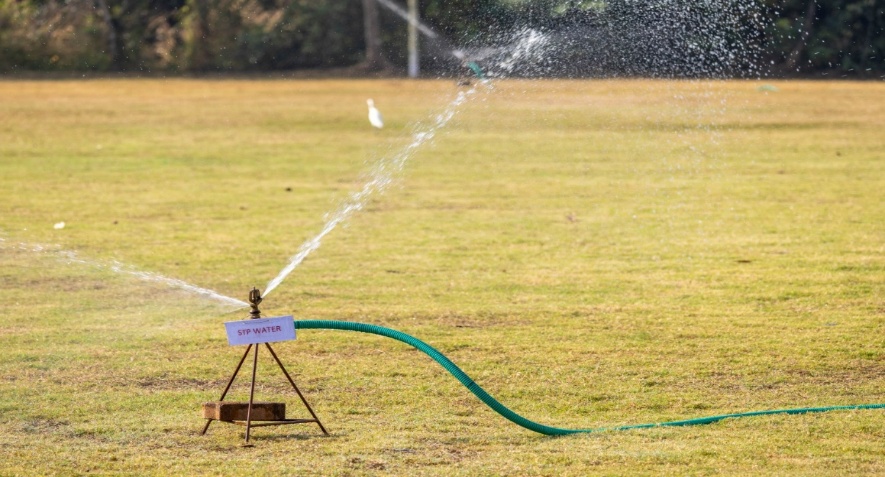
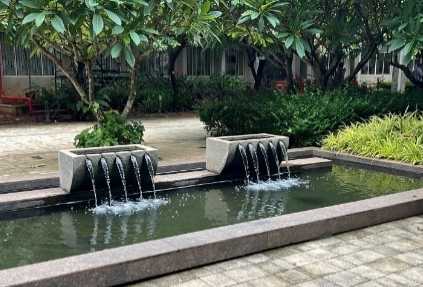
Non-Potable Water for Construction: Where applicable, treated/non-potable water is used for construction-related activities, reducing the requirement for freshwater for non-potable purposes.
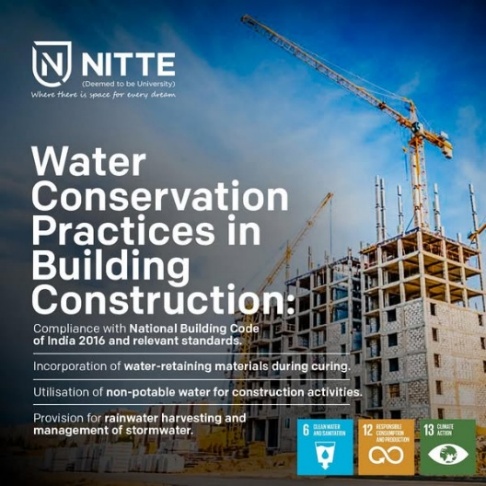
Water Monitoring and Auditing: Water audits and monitoring systems are used to assess water withdrawal, consumption, wastewater generation and reuse, supporting informed management of freshwater resources and continual improvement in sustainable water practices.
International collaboration on water security at SFDA, Riyadh
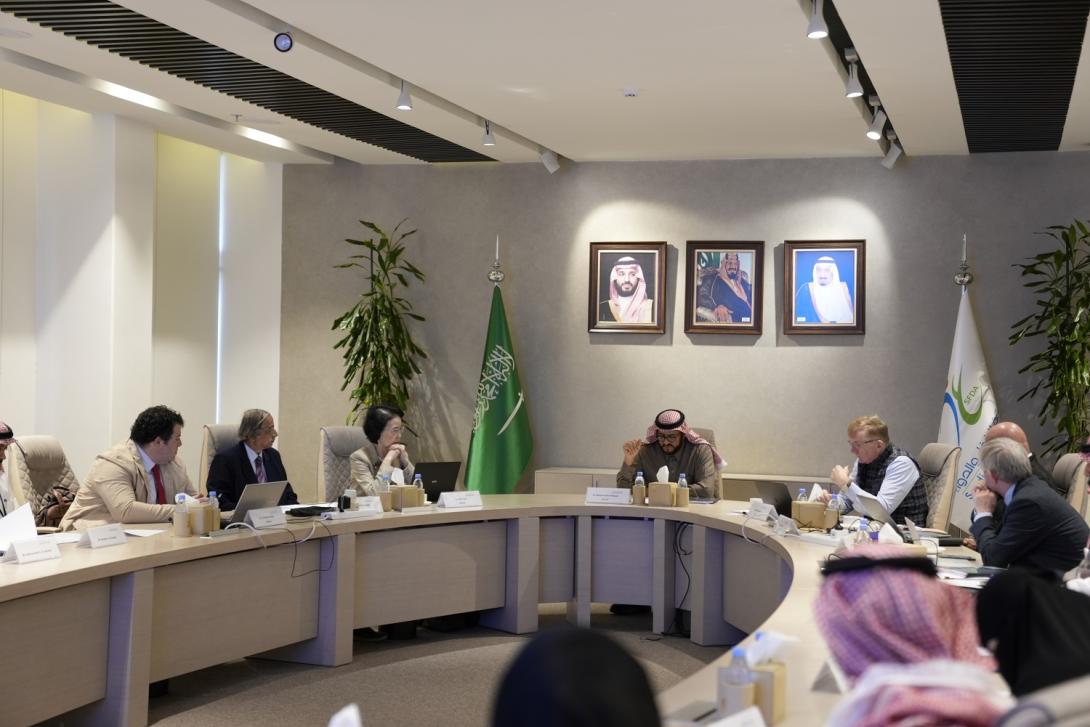
Dr. Iddya Karunasagar was invited by the Saudi Food and Drug Authority (SFDA) to serve as a Member of its International Scientific Advisory Board on Food Safety Risk Assessment. He participated in the Board’s second meeting held in Riyadh, Saudi Arabia, on February 19–20, 2025. During this engagement, Dr. Karunasagar provided expert guidance on microbiological risk assessment and evaluation while collaborating with international regulatory authorities and scientific experts to strengthen evidence-based approaches for protecting public health. Discussions included the risk assessment of Pseudomonas aeruginosa in bottled drinking water, laboratory detection methods for Campylobacter and Shigella, strengthening epidemiological linkages, and the application of whole genome sequencing data to predict antimicrobial resistance. This collaboration supported the development of science-based regulatory practices and reinforced international cooperation to improve water quality monitoring, surveillance, and water security.
Link to publicly accessible description/evidence:
https://sfda.gov.sa/en/news/17613
Nitte DU’s Rainwater Harvesting and Storage initiative
This initiative promotes the sustainable collection and storage of rainwater to supplement the water supply. These programs reduce dependency on traditional water sources, ensure year-round availability, and help mitigate water shortages during droughts.
Links to publicly accessible description/evidence:
https://sustainable.nitte.edu.in/home/ssdg06_2025.php
https://www.instagram.com/reel/C4pUyaJB5A2/
https://www.facebook.com/NITTEedu/posts/nitte-university-is-focused-on-tangible-results-reducing-waste-conserving-water-/824685833016080/
https://www.linkedin.com/posts/nitteuni_nitte-nitteuniversity-nittestudents-activity-7176824433741881344-9sqh/
https://www.instagram.com/reel/C4ze_n0i2-e/
Nitte’s collaboration with the Department of Horticulture for Water Conservation Education and Awareness Programs
Nitte University Centre for Science Education & Research (NUCSER), in collaboration with the Department of Horticulture, Bantwal, The Netravati Farmers Development Association Union, Bantwal, and Dakshina Kannada Cooperative Society, Annalike, organised a program on 'Water Conservation and Micro Irrigation' at Navashakthi Yuvaka Mandala on 25 November 2025 under the University's Sustainable Development Goals initiative.The program featured resource persons Mr. Chandrappa Moolya, Mr. Raghavendra Bhat (progressive farmers), and Mr. Joe Pradeep D'Souza, Senior Assistant Director of Horticulture. Farmers, NUCSER postgraduate students, and faculty participated in the event. The sessions focused on water conservation, micro-irrigation technologies, sustainable farming practices, and government schemes supporting efficient irrigation and water management.
Links to publicly accessible description/evidence:
https://www.facebook.com/share/p/1MZbnWFgzh/
https://www.facebook.com/share/p/1BNKfVYqiK/
https://www.instagram.com/p/DRgfxFlEt1v/?utm_source=ig_web_copy_link&igsh=MzRlODBiNWFlZA==
https://aboutnitte.blogspot.com/2025/12/news-from-nucser-water-conservation-and.html
https://nittecoeaquamarin.com/events/awareness-program-on-water-conservation-micro-irrigation
Disaster Risk Reduction Programs of NitteDU
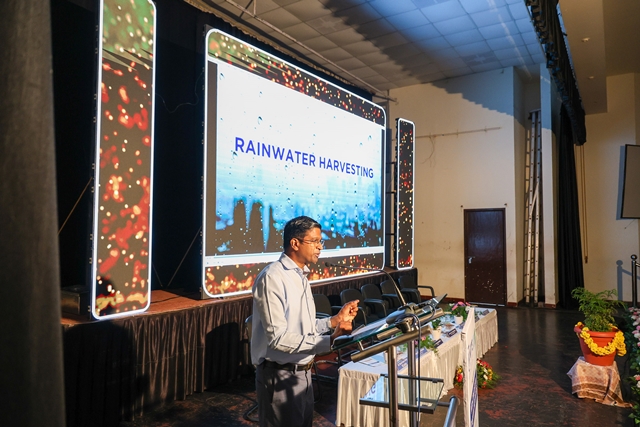
Nitte (Deemed to be) University is actively engaged in Disaster Risk Reduction programs that focus on creating artificial ponds and lakes to manage excess rainwater and prevent flooding. By storing surplus water and regulating its flow, these initiatives help mitigate the risks of water-related disasters, such as floods and droughts, enhancing resilience in the face of climate change. Furthermore, Nitte University's Climate Action Program project aims to address environmental challenges through various sustainable practices.
Links to publicly accessible description/evidence:
https://www.daijiworld.com/news/newsDisplay?newsID=1290315
https://timesofindia.indiatimes.com/city/mangaluru/nitte-climate-action-plan-a-step-towards-environmental-protection-and-awareness/articleshow/115060455.cms
https://www.youtube.com/watch?v=1P8F9NDddAk
https://www.thehansindia.com/karnataka/nitte-university-launches-flagship-climate-action-programme-1000893
https://www.facebook.com/NITTEedu/videos/nitte-university-launched-the-nitte-climate-action-program-ncap-on-25th-august-2/1891214468419793/
Ecosystem Restoration and Protection Initiatives of Nitte DU
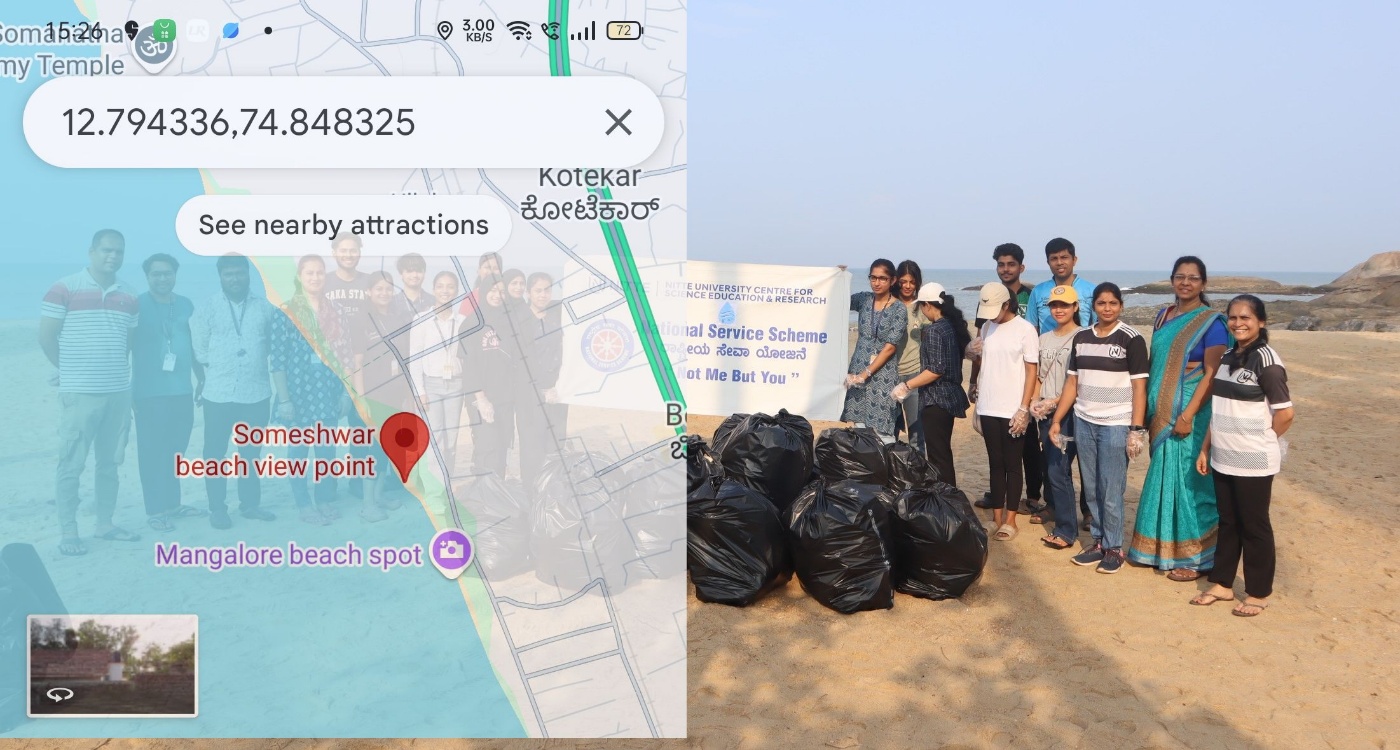
Nitte DU's initiatives, such as the 'Lake Rejuvenation' project and the 'Beach Clean-up Drives,' focus on rejuvenating water bodies and cleaning beaches. Additionally, these programs incorporate plastic waste management efforts that enhance water security. Together, these initiatives play a crucial role in conserving marine and freshwater ecosystems, protecting vital habitats, and promoting biodiversity while ensuring the sustainable use of water resources.

Links to publicly accessible description/evidence:
https://www.facebook.com/share/p/19kGDF8tem/
https://x.com/NUCSER_Official/status/1961704041265991737
https://www.facebook.com/share/p/173Rm6TNnh/
https://www.instagram.com/p/DOc8UTQDzZk/?utm_source=ig_web_copy_link&igsh=MzRlODBiNWFlZA==
https://aboutnitte.blogspot.com/2025/09/news-from-nucser-bringing-back-water.html
https://www.facebook.com/share/p/1JRRiEAPVq/
https://www.linkedin.com/posts/nitte-gok-coe-aquamarin_fishranching-lakerejuvenation-labtoland-activity-7383455358914052097-i-1N?utm_source=share&utm_medium=member_desktop&rcm=ACoAAAYl71ABq8M1yIGWnDuir2gyBh3jlrn-S38
https://www.linkedin.com/posts/nitte-gok-coe-aquamarin_lakerejuvenation-cleanwaters-sustainablefuture-activity-7383446231689371648-Zquk?utm_source=share&utm_medium=member_desktop&rcm=ACoAAAYl71ABq8M1yIGWnDuir2gyBh3jlrn-S38
https://www.facebook.com/share/v/14Q2oRofFQ4/
https://www.instagram.com/reel/DQWuycpj_r5/?utm_source=ig_web_copy_link&igsh=MzRlODBiNWFlZA==
href="https://www.facebook.com/share/p/164mDbtcE6/">https://www.facebook.com/share/p/164mDbtcE6/
https://x.com/NUCSER_Official/status/1917559042987418055
https://aboutnitte.blogspot.com/2025/05/news-from-nucser-beach-cleaning-at.html
https://aboutnitte.blogspot.com/2025/05/news-from-nia-nia-joins-hands-for.html
https://aboutnitte.blogspot.com/2025/10/news-from-absmids-beach-cleaning-drive.html
https://aboutnitte.blogspot.com/2025/06/news-from-nipt-clean-souparnika-green.html
Nitte’s collaboration for Good Aquatic Stewardship
Under the Sustainable Development Goals (SDG) initiative of Nitte (Deemed to be University), NUCSER and NITTE-GOK Centre of Excellence in Aquamarine Innovation organized a felicitation program on December 5, 2025, themed “Sustainable World with Good Aquatic Stewardship Practices.” The event honoured Mr. Ravi Kharvi, a pioneering aquapreneur, for his contributions to sustainable aquaculture, efficient water utilization, and responsible aquatic resource management. His pioneering work in cage culture systems has inspired young aquaculture enthusiasts across Dakshina Kannada and Udupi districts.
Links to publicly accessible description/evidence:
https://www.facebook.com/share/p/1b2jE7Z1NK/
https://www.facebook.com/share/p/14T41vkiNqa/
https://www.instagram.com/p/DR6ZG77kr5_/?utm_source=ig_web_copy_link&igsh=MzRlODBiNWFlZA==
https://aboutnitte.blogspot.com/2025/12/news-from-nucser-sustainable-world-with.html
https://nittecoeaquamarin.com/events/felicitation-guest-talk-on-sustainable-aquatic-stewardship-mr-ravi-kharvi-
FAO Reference Centers for Antimicrobial Resistance and Aquatic Biosecurity
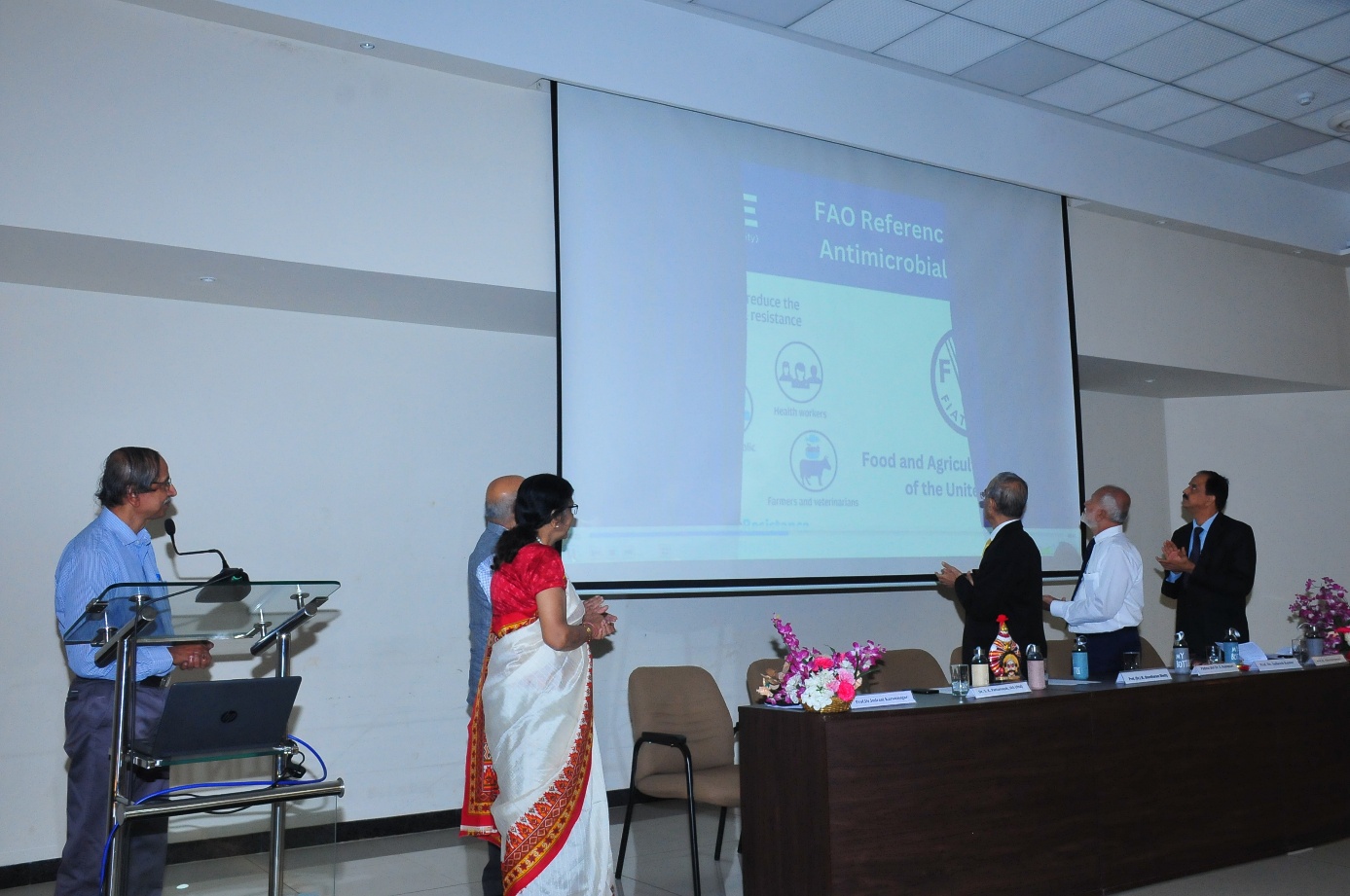
Nitte's collaboration with the FAO through its Reference Centers for Antimicrobial Resistance and Aquatic Biosecurity is crucial for enhancing water security. These initiatives emphasize responsible water use, the protection of aquatic ecosystems, and the implementation of effective biosecurity measures to mitigate the spread of contaminants. By promoting research, facilitating knowledge sharing, and establishing best practices, these collaborations strengthen the resilience of water resources, thereby supporting both public health and environmental sustainability. NitteDU, Mangalore, hosted workshop on “One health: together for a safer future” during Antibiotic Awareness Week.
Links to publicly accessible description/evidence:
https://www.nufaocen.in/
https://dstnutec.in/user/news/184
https://dstnutec.in/user/eventInfo/127
Collaboration with University of Miyazaki, Japan - INDO-JAPAN MEXT Project
Nitte (Deemed to be University) in collaboration with University of Miyazaki, Japan and supported by Japan Society for Promotion the of Science (MEXT- Government of Japan) is working on project titled “Studies on Pregnancy, delivery and child development pattern in water contaminated area of India”. The study objectives include identifying groundwater contaminated hotspots of Dakshina Kannada and Udupi districts, collecting and analysis of soil and groundwater samples from the hotspots identified and estimating for heavy metal toxicity and also health survey on pregnancy, perinatal outcome and early child development in selected hot-spot area.
Link to publicly accessible description/evidence:
https://nitte.edu.in/international.php#indomext
https://www.icmr.gov.in/icmrobject/static/icmr/dist/images/pdf/list-ap-pr/2021/8th_September_2021.pdf
https://www.linkedin.com/posts/division-of-public-health_publichealth-mph-epostercompetition-activity-7244913721473429504-6Sxd?utm_source=share&utm_medium=member_desktop&rcm=ACoAACGLqIoB8Xs-0VeyLkLaqocIDtMISCGVkII
National Level Cooperation on Water Quality Monitoring with the Government of Manipur.
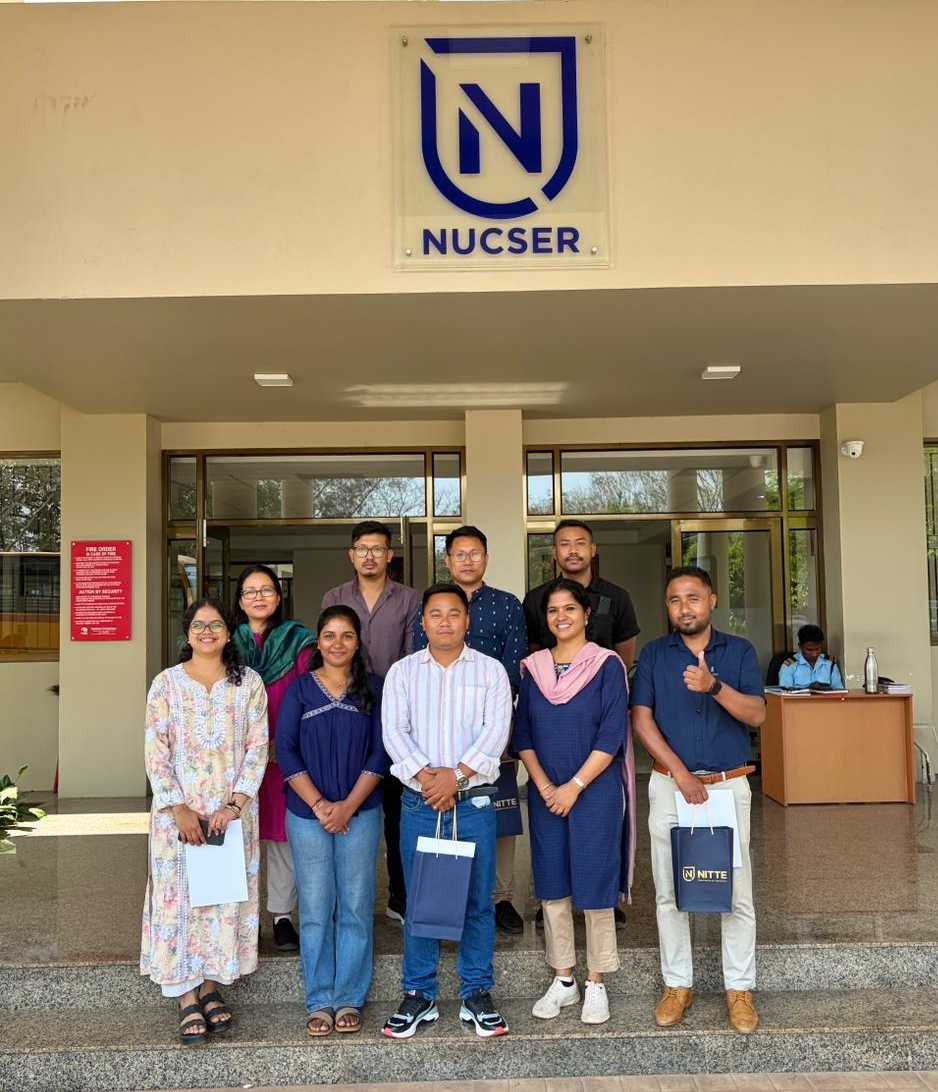
NUCSER conducted a six-day training programme on Microplastic Quantification and Characterization (15–20 December 2025) for officials from the Directorate of Environment and Climate Change, Government of Manipur. The programme enhanced technical expertise in monitoring microplastic pollution in water through hands-on training in field sampling, laboratory analysis, and advanced characterization using FTIR spectroscopy and fluorescence microscopy. By equipping government officials with standardized methods to detect and assess microplastic contamination, the initiative strengthened institutional capacity for evidence-based water quality monitoring and supported informed decision-making for protecting water resources.
Link to publicly accessible description/evidence:
https://aboutnitte.blogspot.com/2025/12/news-from-nucser-nucser-hosts-govt-of.html
Collaboration with K-Tech, Government of Karnataka
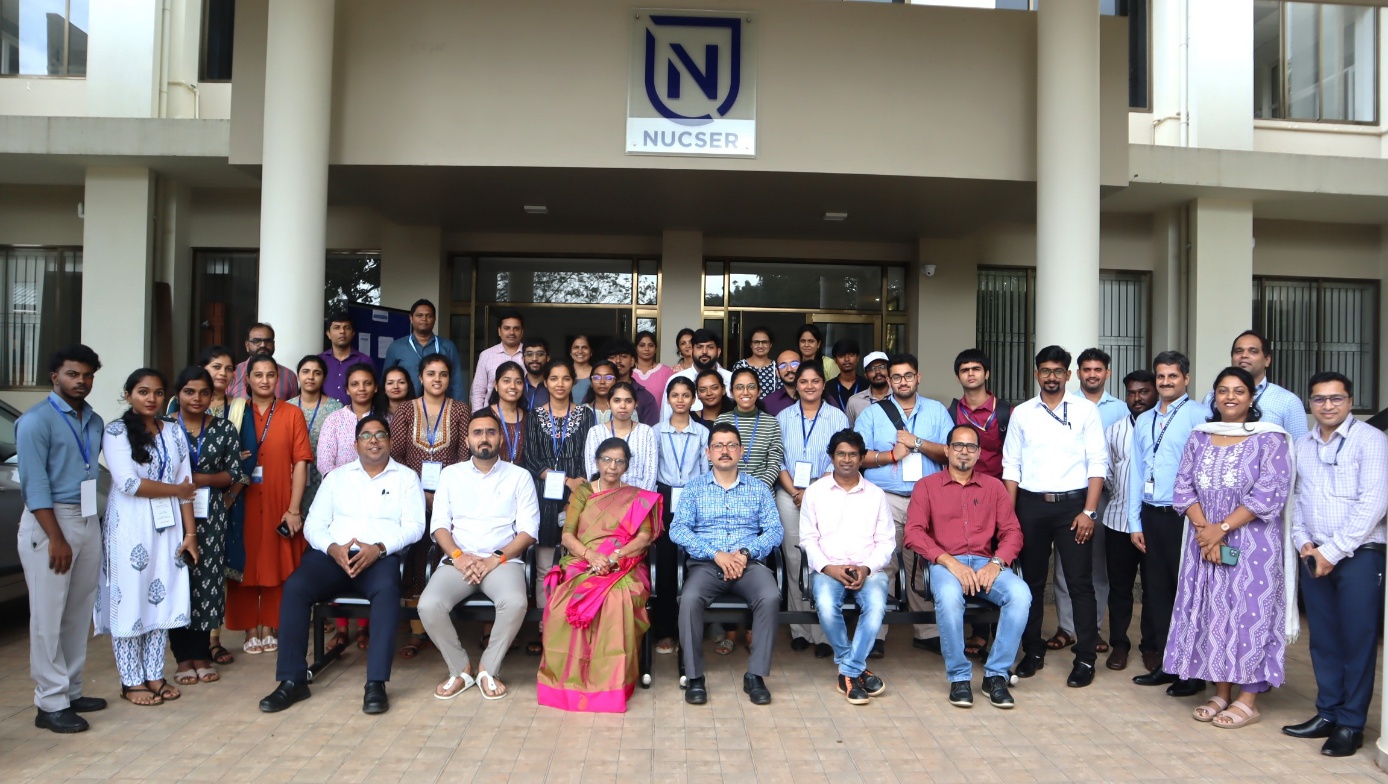
NITTE-GOK CoE | AQUAMARIN and Nitte University Centre for Science Education and Research (NUCSER), in collaboration with the Institutional Innovation Council, Nitte (DU), and K-tech, Government of Karnataka, organised BlueNovathon-2025, a national-level ideathon in marine biotechnology, on 2 June 2025. The event fostered innovation and collaboration to develop sustainable, water-based solutions for challenges in aquaculture, fisheries, and marine technology, bringing together students, startups, and innovators.
Link to publicly accessible description/evidence:
https://aboutnitte.blogspot.com/2025/06/news-from-nucser-bluenovathon-2025.html
https://www.instagram.com/p/DLXJCpCv8b5/?utm_source=ig_web_copy_link&igsh=MzRlODBiNWFlZA==
https://www.facebook.com/share/p/16UnHbMfv3/
https://www.linkedin.com/posts/nitte-gok-coe-aquamarin-5195ab341_bluenovathon2025-bluenovathon-aquamarineinnovation-activity-7335900895798251521-88r0?utm_source=share&utm_medium=member_desktop&rcm=ACoAAAYl71ABq8M1yIGWnDuir2gyBh3jlrn-S38
Collaboration with the District Administration, Dakshina Kannada, on Climate Action and Water Security
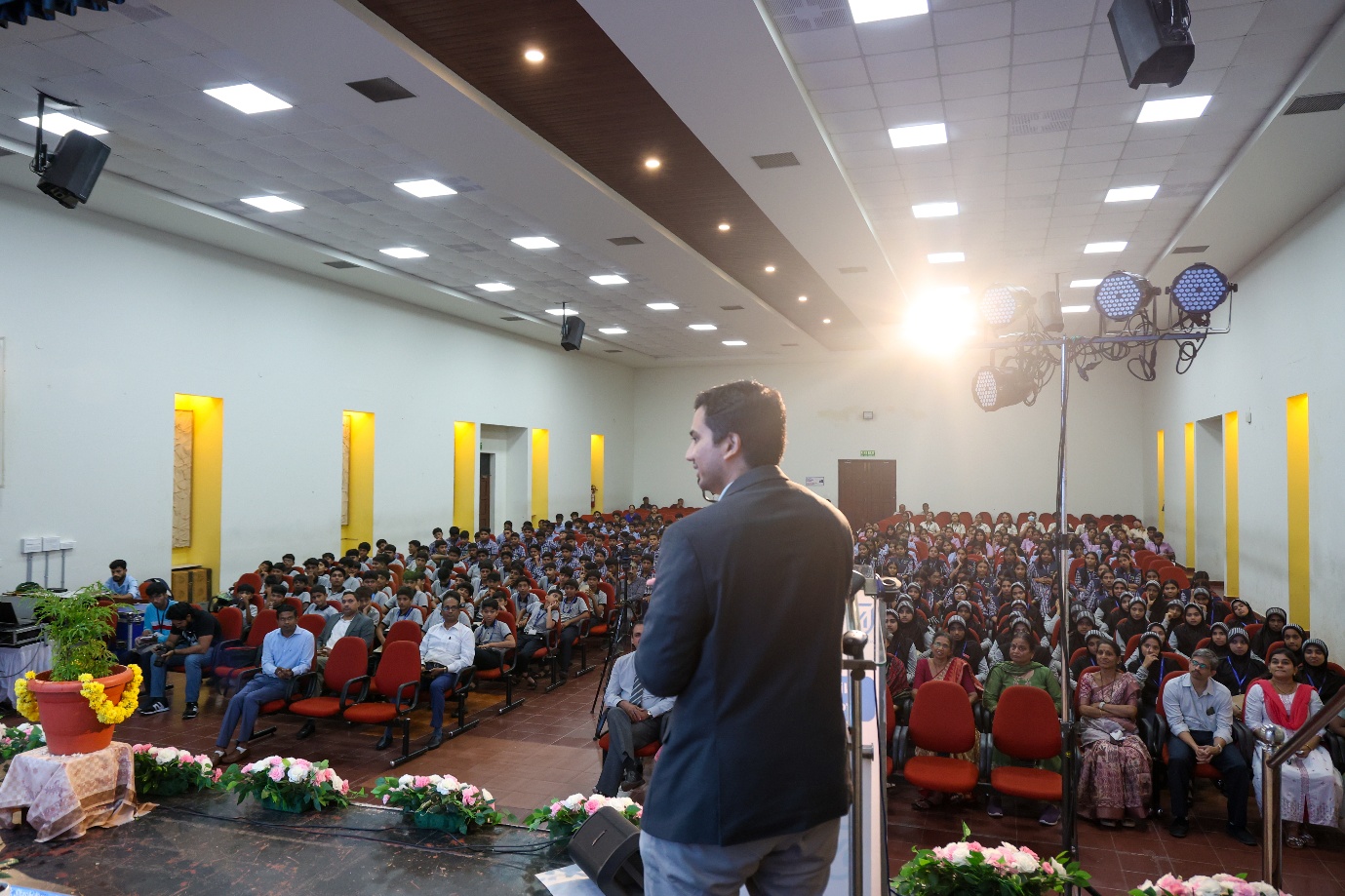
The Nitte Climate Action Programme (NCAP) 2025 strengthened engagement with the District Administration through the participation of Shri Darshan H. V., IAS, Deputy Commissioner, Dakshina Kannada, as the Chief Guest. In his address, he emphasized that climate change is an immediate local concern and highlighted the importance of water security and sustainable resource management for climate resilience. The event brought together the District Administration, academic leaders, and students to promote dialogue on climate action, water conservation, and sustainable development. This engagement reinforced collaboration between government and academia in advancing environmental awareness, community participation, and the Sustainable Development Goals (SDGs).
Link to publicly accessible description/evidence:
https://www.daijiworld.com/news/newsDisplay?newsID=1290315
https://www.youtube.com/watch?v=1P8F9NDddAk
https://www.instagram.com/reel/DOTRp6OlZAI/
https://www.thehansindia.com/karnataka/nitte-university-launches-flagship-climate-action-programme-1000893
https://www.mangaloretoday.com/main/Nitte-DU-to-launch-the-Nitte-Climate-Action-Program-on-August-25.html
Engaging State Government Administration through the Nitte Miyawaki Forest Project for Climate Resilience and Groundwater Conservation
The Nitte Miyawaki Forest Project 2025, organized on 5 June 2025 on the occasion of World Environment Day, strengthened government–academia collaboration through the participation of Shri Pratap Lingaiah, State NSS Officer, Youth Empowerment and Sports Department, Government of Karnataka, who inaugurated the initiative. Around 1,000 native and drought-resistant plant saplings were planted to promote biodiversity, climate resilience, and sustainable water management. The use of locally adapted species helps reduce long-term irrigation requirements and dependence on groundwater resources, highlighting the role of institutional partnerships in advancing environmental sustainability.
Link to publicly accessible description/evidence:
https://aboutnitte.blogspot.com/2025/06/tree-map-unveiling-and-miyawaki-forest.html
https://www.youtube.com/watch?v=2N76c7Qa1UU
https://www.thehansindia.com/karnataka/miyawaki-forest-launched-to-mark-world-environment-day-977546
https://timesofindia.indiatimes.com/city/mangaluru/two-miyawaki-forests-launched/articleshow/121681677.cms
https://www.mangaloretoday.com/main/Nitte-Miyawaki-Forest-launched-on-World-Environment-Day.html
Lake rejuvenation
As part of its commitment to sustainable water resource management, NUCSER, in association with the NSS Unit of Nitte (Deemed to be University), undertook the rejuvenation of a neglected lake at Innoli village, Ullal. The lake had become unusable due to the excessive growth of aquatic weeds and the accumulation of solid waste.
Faculty members, environmental professionals, and NSS volunteers collaborated to remove invasive vegetation and waste, restoring the lake's ecological and water-holding functions. The initiative also created awareness among the local community on the importance of protecting water bodies, responsible waste disposal, and sustainable water conservation practices. The restoration programme, held on 30 August 2025 in collaboration with the Gram Panchayat and local community, reflects the University's commitment to promoting conscious water usage and community participation in environmental conservation.
Links to publicly accessible description/evidence:
https://www.facebook.com/share/p/19kGDF8tem/
https://x.com/NUCSER_Official/status/1961704041265991737
https://www.facebook.com/share/p/173Rm6TNnh/
https://www.instagram.com/p/DOc8UTQDzZk/?utm_source=ig_web_copy_link&igsh=MzRlODBiNWFlZA==
Lake ranching programme
As part of promoting conscious water usage and sustainable management of community water resources, the University conducted a lake ranching programme on 11 October 2025 at the rejuvenated lake in Innoli village, Ullal. The initiative involved the introduction of fish fingerlings into the restored water body to enhance aquatic biodiversity, support ecological balance, and encourage the sustainable use and conservation of freshwater resources. The programme also served as an awareness initiative for the local community on the importance of protecting rejuvenated water bodies, preventing pollution, and maintaining healthy aquatic ecosystems. Through community participation and environmental stewardship, the activity contributed to promoting responsible water management practices beyond the campus.


Links to publicly accessible description/evidence:
https://www.facebook.com/share/p/1JRRiEAPVq/
https://www.linkedin.com/posts/nitte-gok-coe-aquamarin_fishranching-lakerejuvenation-labtoland-activity-7383455358914052097-i-1N?utm_source=share&utm_medium=member_desktop&rcm=ACoAAAYl71ABq8M1yIGWnDuir2gyBh3jlrn-S38
https://www.linkedin.com/posts/nitte-gok-coe-aquamarin_lakerejuvenation-cleanwaters-sustainablefuture-activity-7383446231689371648-Zquk?utm_source=share&utm_medium=member_desktop&rcm=ACoAAAYl71ABq8M1yIGWnDuir2gyBh3jlrn-S38
https://www.facebook.com/share/v/14Q2oRofFQ4/
https://www.instagram.com/reel/DQWuycpj_r5/?utm_source=ig_web_copy_link&igsh=MzRlODBiNWFlZA==
Water conservation and irrigation practices
Nitte University Centre for Science Education & Research (NUCSER), in collaboration with the Department of Horticulture, Bantwal, The Netravati Farmers Development Association Union, Bantwal, and Dakshina Kannada Cooperative Society, Annalike, organised a program on 'Water Conservation and Micro Irrigation' at Navashakthi Yuvaka Mandala on 25 November 2025 under the University's Sustainable Development Goals initiative.The program featured resource persons Mr. Chandrappa Moolya, Mr. Raghavendra Bhat (progressive farmers), and Mr. Joe Pradeep D'Souza, Senior Assistant Director of Horticulture. Farmers, NUCSER postgraduate students, and faculty participated in the event. The sessions focused on water conservation, micro-irrigation technologies, sustainable farming practices, and government schemes supporting efficient irrigation and water management.

Links to publicly accessible description/evidence:
https://www.facebook.com/share/p/1MZbnWFgzh/
https://www.facebook.com/share/p/1BNKfVYqiK/
https://www.instagram.com/p/DRgfxFlEt1v/?utm_source=ig_web_copy_link&igsh=MzRlODBiNWFlZA==
https://www.facebook.com/share/p/1BNKfVYqiK/
https://www.instagram.com/p/DRgfxFlEt1v/?utm_source=ig_web_copy_link&igsh=MzRlODBiNWFlZA==
https://aboutnitte.blogspot.com/2025/12/news-from-nucser-water-conservation-and.html
https://nittecoeaquamarin.com/events/awareness-program-on-water-conservation-micro-irrigation
Awareness program on water usage for school children
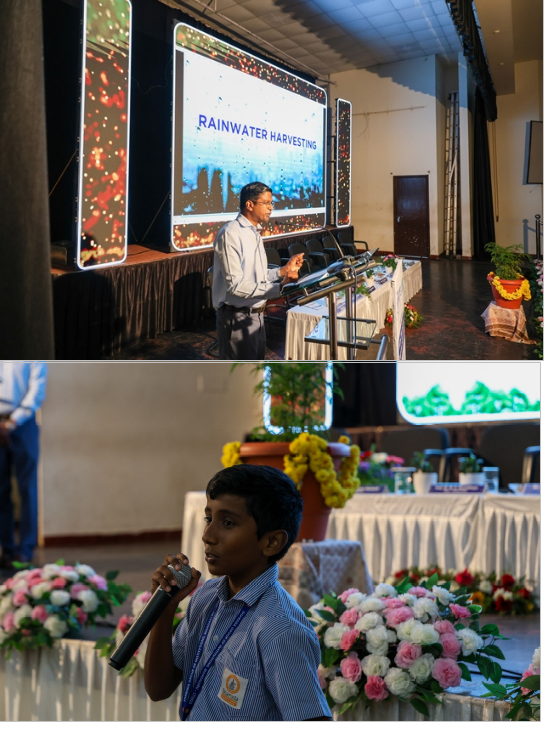
As part of the Nitte Climate Action Programme, a five-year initiative launched in 2023 to educate school children on climate change and sustainability, a special focus in 2025 was placed on promoting awareness about responsible water usage. Through its second edition, the program reached 10,000 students, encouraging young learners to adopt water conservation practices and understand the importance of sustainable water management for a resilient future.
Link to publicly accessible description/evidence:
https://www.daijiworld.com/news/newsDisplay?newsID=1290315
https://www.youtube.com/watch?v=1P8F9NDddAk
https://www.instagram.com/reel/DOTRp6OlZAI/
https://www.thehansindia.com/karnataka/nitte-university-launches-flagship-climate-action-programme-1000893
https://www.mangaloretoday.com/main/Nitte-DU-to-launch-the-Nitte-Climate-Action-Program-on-August-25.html
Promotion of water usage through social media
A social media awareness campaign was conducted on rainwater harvesting and water conservation practices in building construction, highlighting sustainable solutions for responsible water use.

Links to publicly accessible description/evidence:
https://www.linkedin.com/posts/nitteuni_international-zero-waste-day-activity-7179688794319667201-2K0J?utm_source=share&utm_medium=member_desktop&rcm=ACoAACGLqIoB8Xs-0VeyLkLaqocIDtMISCGVkII
https://www.linkedin.com/posts/nitteuni_nitte-nitteuniversity-nittestudents-activity-7176824433741881344-9sqh?utm_source=share&utm_medium=member_desktop&rcm=ACoAACGLqIoB8Xs-0VeyLkLaqocIDtMISCGVkII
Innovative solutions for water conservation
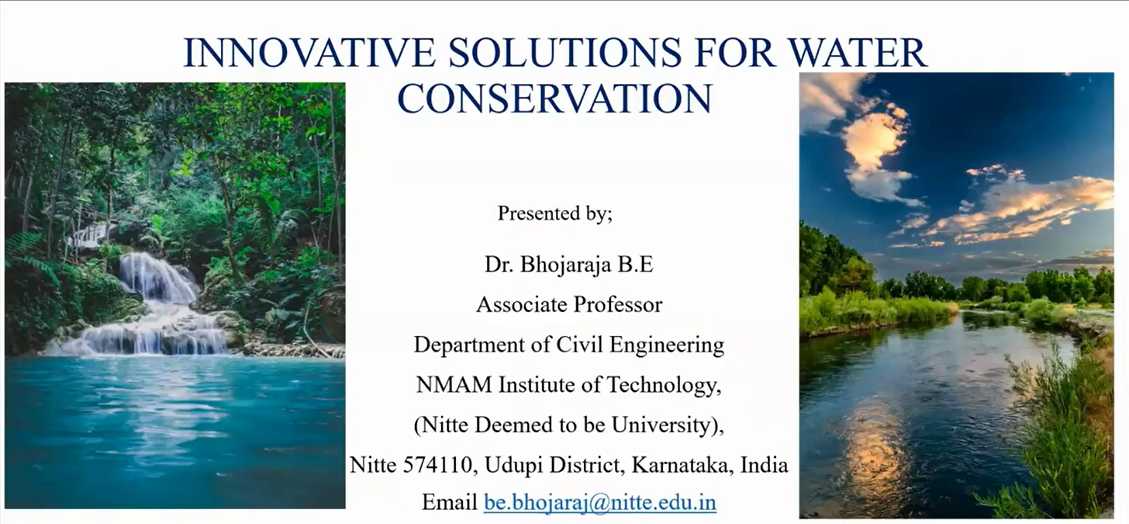
The SDG Cell of Nitte (Deemed to be University) organized a webinar on “Innovative Solutions for Water Conservation” to promote conscious water usage and sustainable water management practices among the wider community. The session was led by Dr. Bhojaraja B.E., Associate Professor, Department of Civil Engineering, NMAMIT, and highlighted challenges such as groundwater depletion and water body degradation, along with sustainable solutions including stepwells, sand dams, rainwater harvesting, greywater recycling, and smart water monitoring technologies.
To ensure wider outreach and community awareness, the webinar has been made available through the official Nitte YouTube channel, enabling broader access to knowledge on responsible water conservation practices.
Links to publicly accessible description/evidence:
https://youtu.be/azBvOhRNdeA?si=FYmuOO_Pe9EpKFHu
Support for Good Aquatic Stewardship
Under the Sustainable Development Goals (SDG) initiative of Nitte (Deemed to be University), NUCSER and NITTE-GOK Centre of Excellence in Aquamarine Innovation organized a felicitation program on December 5, 2025, themed “Sustainable World with Good Aquatic Stewardship Practices.” The event honoured Mr. Ravi Kharvi, a pioneering aquapreneur, for his contributions to sustainable aquaculture, efficient water utilization, and responsible aquatic resource management. His pioneering work in cage culture systems has inspired young aquaculture enthusiasts across Dakshina Kannada and Udupi districts.
Links to publicly accessible description/evidence:
https://www.facebook.com/share/p/1b2jE7Z1NK/
https://www.facebook.com/share/p/14T41vkiNqa/
https://aboutnitte.blogspot.com/2025/12/news-from-nucser-sustainable-world-with.html
https://nittecoeaquamarin.com/events/felicitation-guest-talk-on-sustainable-aquatic-stewardship-mr-ravi-kharvi-
Awarness on clean water and sanitation through Radio Nitte
As part of promoting conscious water usage and sustainable water management practices in the wider community, Radio Nitte broadcast an awareness programme on clean water and sanitation. The programme, delivered in the local language, focused on the importance of safe water practices, proper sanitation, water conservation, and responsible management of water resources. Through effective community outreach, the initiative enhanced public awareness on the link between clean water, sanitation, health, and environmental sustainability, encouraging listeners to adopt responsible water usage practices.
Links to publicly accessible description/evidence:
https://nitte.edu.in/green-campus.php#watersense
Jalakrishi Samshodhana Vimarsha Bhandara (JSVB): Aqua Solution Portal for Sustainable Aquaculture and Water Management
Nitte University, through the AQUAMARIN Centre of Excellence, provides the Jalakrishi Samshodhana Vimarsha Bhandara (JSVB) portal as an educational platform for local fish farmers, aquaculture practitioners, and other stakeholders. The portal facilitates knowledge sharing, expert guidance, and problem-solving on sustainable aquaculture and responsible water management, supporting community learning and the adoption of good water management practices.
Links to publicly accessible description/evidence:
https://nittecoeaquamarin.com/jalakrishi
Outreach session promoting awareness on sustainable water management and aquatic resources
The Nitte University Centre for Science Education and Research (NUCSER) organized a Centre Visit and Outreach Awareness Session on Aquamarine on 16 January 2025 at the College of Fisheries, Kolkata. The programme aimed to foster academic collaboration and enhance awareness among participants on sustainable aquatic resource management, water quality conservation, and the responsible stewardship of aquatic ecosystems.
Links to publicly accessible description/evidence:
https://nittecoeaquamarin.com/events/college-of-fisheries-kolkata
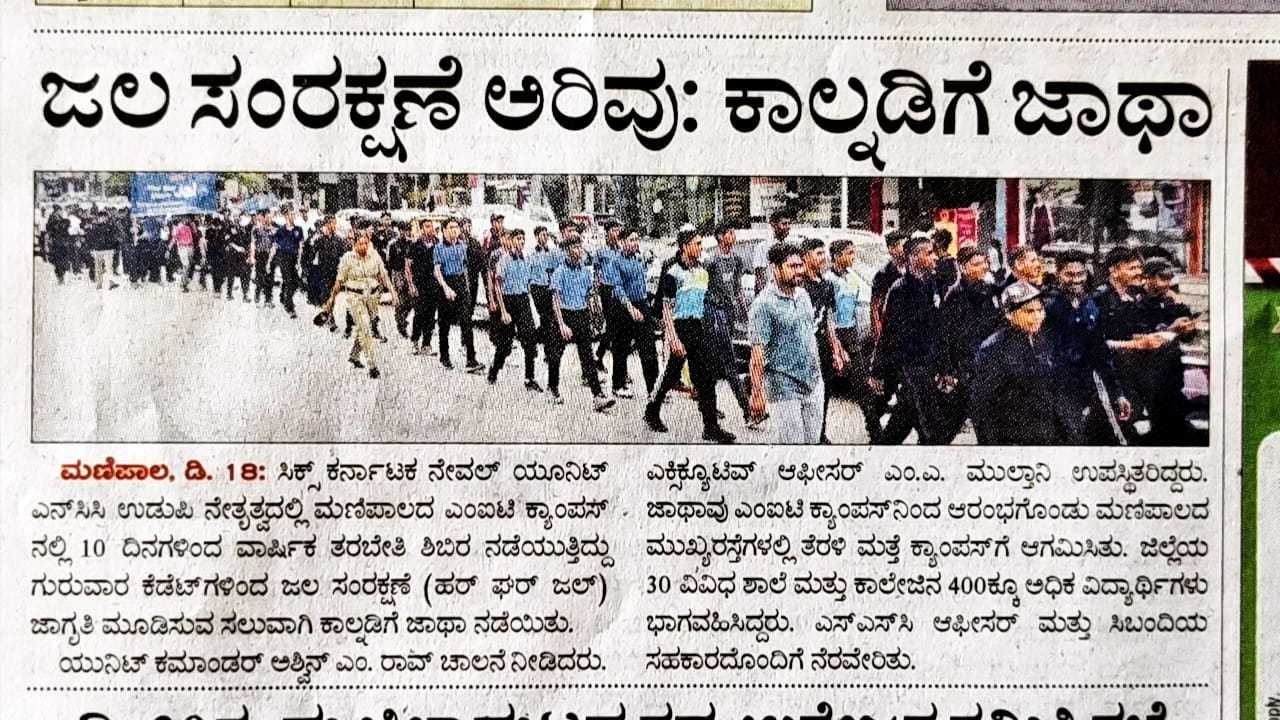
Walkathon on water conservation was conducted by NU NCC cadets
Links to publicly accessible description/evidence:
https://www.linkedin.com/posts/nitteuni_international-zero-waste-day-activity-7179688794319667201-2K0J?utm_source=share&utm_medium=member_desktop&rcm=ACoAACGLqIoB8Xs-0VeyLkLaqocIDtMISCGVkII
https://www.linkedin.com/posts/nitteuni_nitte-nitteuniversity-nittestudents-activity-7176824433741881344-9sqh?utm_source=share&utm_medium=member_desktop&rcm=ACoAACGLqIoB8Xs-0VeyLkLaqocIDtMISCGVkII
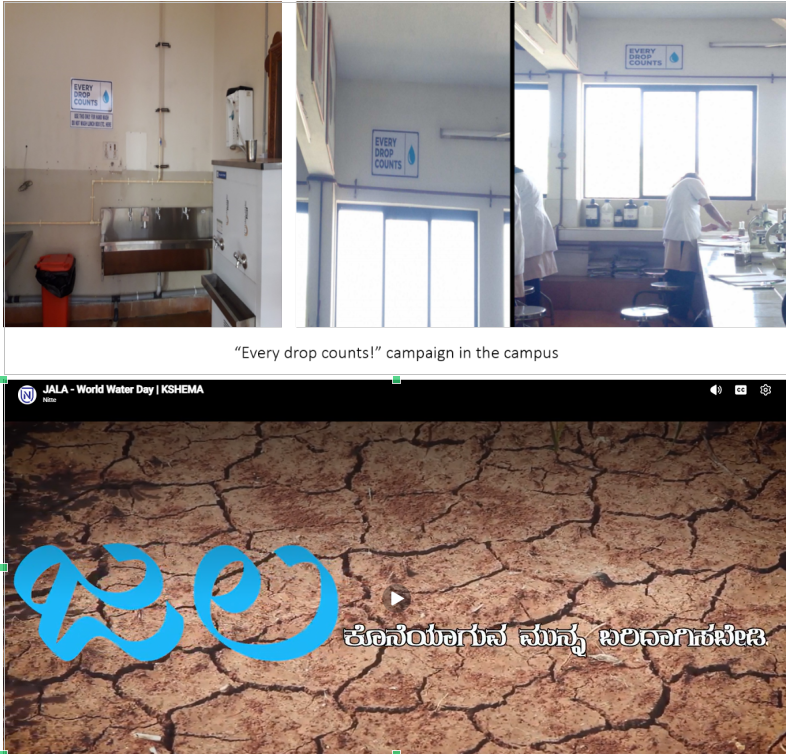
Sensitization and training about water conservation:
NitteDU undertakes sustained campaigns to encourage students and staff to save water within the campus. Modules on environmental sustainability, including water conservation, are included in the formal curriculum of most programs. The National Service Scheme volunteers conduct campaigns to raise awareness about water conservation.
Links to publicly accessible description/evidence:
https://nitte.edu.in/green-campus.php#watersense
https://www.linkedin.com/posts/nitteuni_nitte-nitteuniversity-nittestudents-activity-7176824433741881344-9sqh?utm_source=share&utm_medium=member_desktop&rcm=ACoAACGLqIoB8Xs-0VeyLkLaqocIDtMISCGVkII
https://youtu.be/to67lWQQSJ8?si=HlGax5WBxLQK5ZIC
World Water Day 2025 Awareness Programme – Promoting Conscious Water Usage on Campus
On the occasion of World Water Day on 22 March 2025, A. B. Shetty Memorial Institute of Dental Sciences, in collaboration with SDG 6 (SDG Cell, Nitte DU), organized a water conservation awareness programme at the Glass House of K. S. Hegde Medical Hospital. The programme aimed to promote conscious water usage and sustainable management of water resources among students, staff, and the wider campus community. The event featured a creative dance performance by students highlighting the importance of water conservation, followed by a skit portraying the challenges of water scarcity and the need for responsible water use. Through interactive and creative communication, the programme encouraged behavioural change and increased awareness about protecting and conserving water resources.
Links to publicly accessible description/evidence:
https://www.instagram.com/reel/DHm4SVAMAdT/
Water audit programme
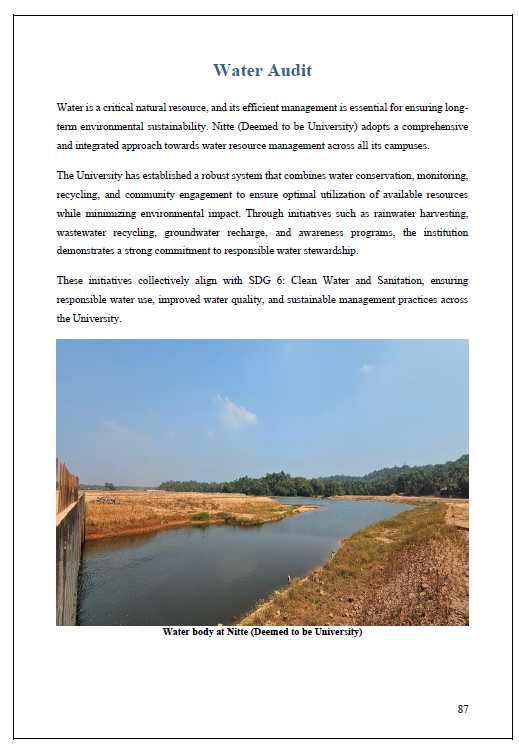
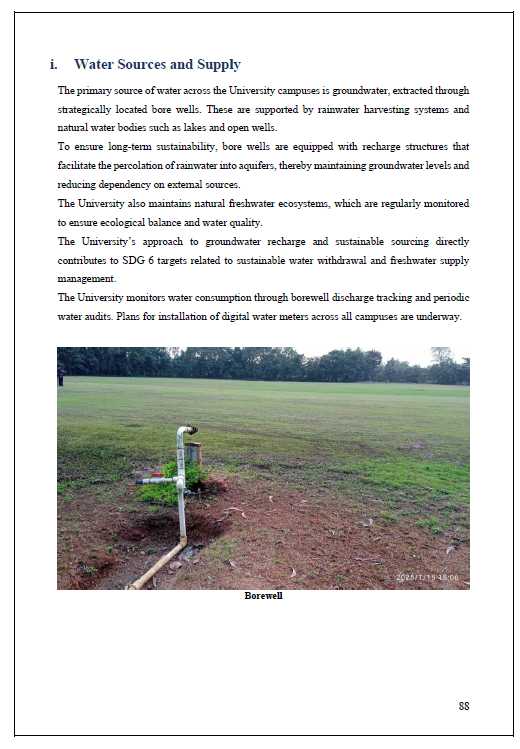
Nitte conducts regular water audits to monitor water consumption, identify opportunities for reducing water wastage, and promote efficient water management practices across the campus. The programme assesses water usage patterns, evaluates the effectiveness of conservation measures, and supports informed decision-making for sustainable water management. Through monitoring, awareness creation, and implementation of water-saving practices, the water audit programme promotes conscious water usage among students, staff, and campus stakeholders. An extract from the 2025 Green Audit Report is provided as supporting evidence.
Links to publicly accessible description/evidence:
https://nitte.edu.in/green-campus.php
Webinar on Innovative solutions for water conservation
The webinar on “Innovative Solutions for Water Conservation,” organized by the SDG Cell of Nitte (DU), serves as an awareness initiative promoting conscious water usage among students, faculty, and staff. The session highlighted sustainable water management practices, including rainwater harvesting, greywater recycling, smart water monitoring systems, and traditional water conservation techniques. Through the availability of the recorded session on YouTube, the learning resource continues to support campus-wide awareness and encourages stakeholders to adopt responsible water-use practices.
Links to publicly accessible description/evidence:
https://youtu.be/azBvOhRNdeA?si=FYmuOO_Pe9EpKFHu
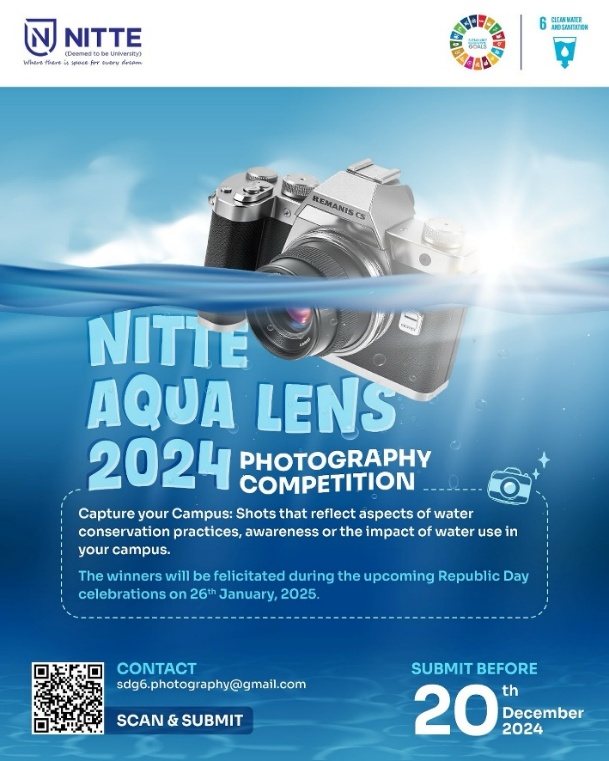
Recognition of NITTE Aqua Lens 2024 Photography Competition Winners in 2025
NITTE AQUA LENS 2024 Photography Competition invited participants to capture the essence of water conservation on campus through the lens of their cameras. The winners were felicitated during the Republic Day celebrations on January 26, 2025. The competition aimed to raise awareness about the importance of preserving water resources by showcasing impactful visuals that highlighted water-saving practices, conservation efforts, and the effects of water management. Participants submitted photographs that creatively depicted sustainable water usage, initiatives promoting conservation, and the impact of water on the environment and daily life. Whether it was a simple act of saving water, an innovative conservation method, or a striking image portraying the beauty and necessity of this vital resource, each photograph told a powerful story. The competition was open to students, faculty, and staff, providing a platform to express creativity while advocating for an important environmental cause. Winning entries were recognized and featured in university publications, exhibitions, and awareness campaigns.
Link to supporting evidence-
https://www.linkedin.com/posts/nitteuni_nitte-nitteuniversity-nittestudents-activity-7273683598166155264-OwWJ?utm_source=share&utm_medium=member_desktop&rcm=ACoAACGLqIoB8Xs-0VeyLkLaqocIDtMISCGVkII
https://www.instagram.com/nitteeducation/p/DDj0Zl3vzfw/
https://www.threads.net/@nitteeducation/post/DDj0azLPsh5?hl=en
https://www.facebook.com/NITTEedu/photos/nitte-aqua-lens-2024-photography-competition-invites-you-to-capture-the-essence-/1003046965179965/?_rdr
https://sustainable.nitte.edu.in/home/ssdg06_2024.php
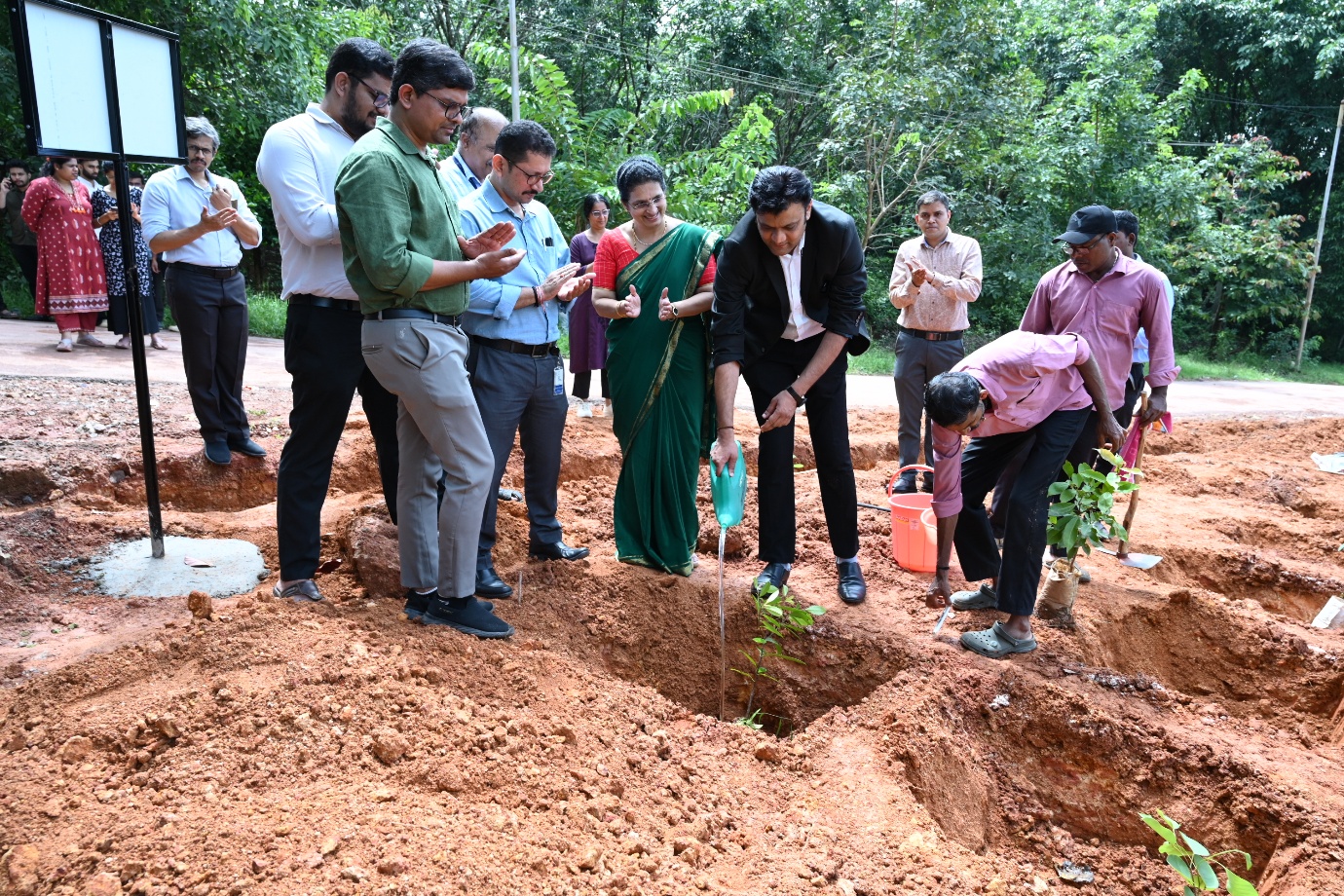
Nitte Miyawaki Forest Project promoting conscious water usage through drought-resistant native species and water-efficient landscaping
Nitte Miyawaki Forest Project was launched on 5 June 2025, commemorating World Environment Day, with the planting of 1,000 native saplings, including drought-resistant species. The project promotes conscious water usage on campus through water-efficient landscaping, as these low-water-demand plants require minimal irrigation once established. It supports sustainable water management by improving soil moisture retention, reducing surface runoff, and demonstrating the importance of water-conscious green infrastructure.
Links to publicly accessible description/evidence:
https://www.youtube.com/watch?v=2N76c7Qa1UU
https://www.thehansindia.com/karnataka/miyawaki-forest-launched-to-mark-world-environment-day-977546
https://timesofindia.indiatimes.com/city/mangaluru/two-miyawaki-forests-launched/articleshow/121681677.cms
https://www.mangaloretoday.com/main/Nitte-Miyawaki-Forest-launched-on-World-Environment-Day.html
https://aboutnitte.blogspot.com/2025/06/tree-map-unveiling-and-miyawaki-forest.html
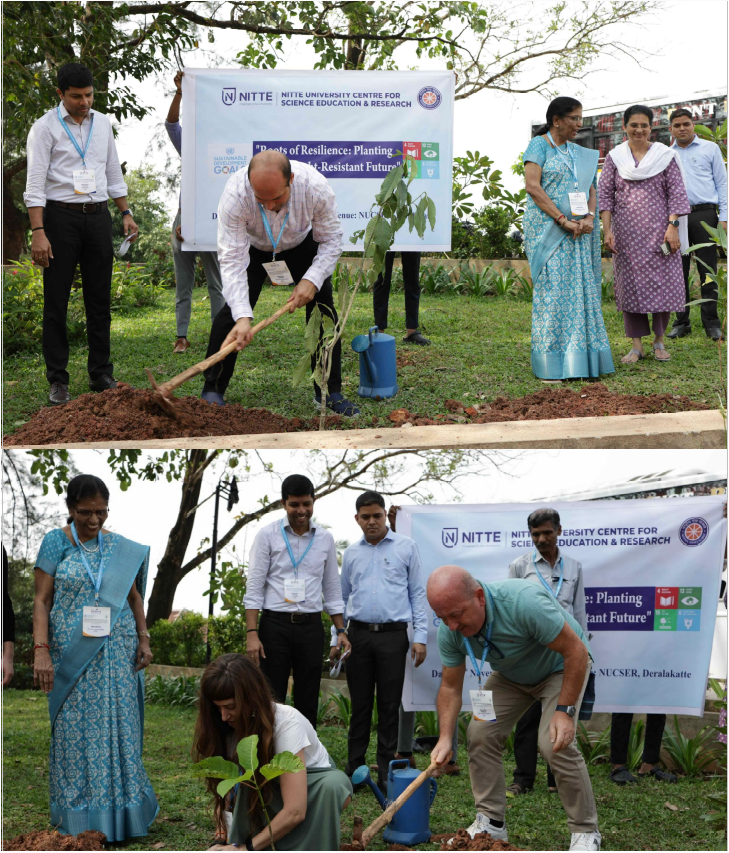
Planting of Sapling for Drought Resistant Future
As part of Nitte (Deemed to be University)'s commitment to the Sustainable Development Goals (SDGs), the NSS unit of NUCSER organized a tree-planting program titled “Roots of Resilience: Planting for a Drought-Resistant Future.” The event focused on planting various drought-resistant saplings to promote environmental sustainability. The program was graced by distinguished foreign delegates, including Dr. Melba B. Reantaso, Team Leader, Food Safety, Nutrition, and Health, FAO, UN, Rome, Dr. DVM Amedeo Manfrin, Head of the Fish Pathology Laboratory-National Reference Lab for Fish and Crustacean Diseases, Italy, Dr. Hossam Abdelhamed, Assistant Professor, Department of Comparative Biomedical Sciences, College of Veterinary Medicine, Mississippi State University, USA, Dr. Athina Papadopoulou, Senior Research Microbiologist, CEFAS, UK and Dr. Luana Cortinovis, Technician, Fish Pathology Laboratory-National Reference Lab for Fish and Crustacean Diseases, Italy.
Link to supporting evidence
https://nitte.edu.in/green-campus.php#wcp
https://www.linkedin.com/posts/nitteuni_antimicrobial-aquaculture-sustainablefuture-activity-7267526889148178433-dN0V?utm_source=share&utm_medium=member_desktop&rcm=ACoAACGLqIoB8Xs-0VeyLkLaqocIDtMISCGVkII
https://www.facebook.com/NitteCSER/posts/pfbid02F5GLmzw37RBZv6rmJvkMMrU4CyioVhvBmyrHuETiGoJkXWvU1ZGDAaJWv67yA5V1l?rdid=cBoIwZ1v46cwG9z5#
Reuse of STP-Treated Water for Campus Operations
Nitte promotes conscious water usage by reusing treated water from the Sewage Treatment Plant (STP) for multiple campus activities. STP-treated water is utilized for watering saplings during the initial establishment phase of the Nitte Miyawaki Forest Project, reducing the need for freshwater for landscape development. In addition, treated water is used for concrete curing during campus construction works, replacing potable water in non-potable applications. These practices demonstrate responsible wastewater reuse, reduce freshwater consumption, and reinforce sustainable water management across the campus
Recycled Water for Lawn Irrigation
Recycled water nurturing 1,000 plants in the Nitte Miyawaki forest
STP water is used for ongoing construction activities on the campus